

Tanzania Hiking Guide: Hidden Costs of Climbing Mount Kilimanjaro
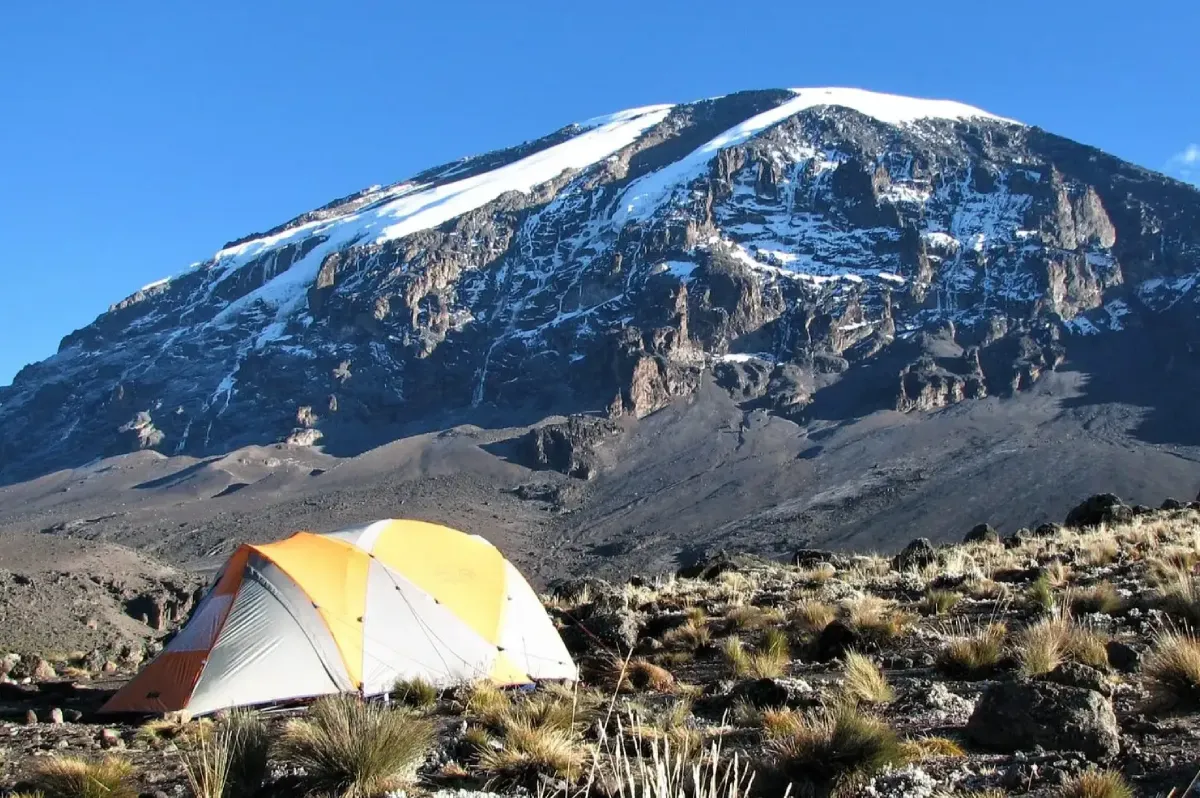
Climbing Mount Kilimanjaro is a bucket-list adventure for hikers around the world. As Africa’s highest peak at 5,895 meters, it offers a unique trekking experience through diverse ecosystems. While the advertised price of a Kilimanjaro climb covers many essentials, there are often hidden costs that can increase the total expense. Understanding these hidden costs is important for planning a budget and avoiding surprises during your trek.
Park Fees and Permits
Although most climbing packages include park fees and permits, some hikers may encounter additional charges if not confirmed beforehand. These fees cover conservation, rescue services, and accommodation in camps or huts. Some operators may also charge extra for certain routes or for extending the climb by a day, which can increase the total cost.
Equipment Rentals and Gear
Many climbers do not have all the specialized gear required for a high-altitude climb. Renting or purchasing gear such as insulated jackets, sleeping bags, hiking boots, trekking poles, and headlamps can add several hundred dollars to the total cost. Even with a basic climbing package, quality equipment is essential for safety and comfort, making this a hidden but necessary expense.
Tips for Guides and Porters
Tipping is customary on Kilimanjaro treks and can be a significant additional cost. Guides, assistant guides, and porters work long hours carrying gear, setting up camps, and cooking meals. Recommended tips usually range from $200 to $350 per climber for a standard seven-day trek. Although this is not included in the advertised price, it is an important part of ethical climbing and staff welfare.
Travel and Accommodation Expenses
Most packages include transfers from the trailhead, but additional costs such as flights to Tanzania, hotel stays before and after the climb, and extra meals can increase the total expense. Depending on your travel style, these hidden costs can add several hundred dollars. Planning for these expenses ensures there are no surprises once you arrive.
Travel Insurance and Medical Preparations
Travel insurance that covers high-altitude trekking is often overlooked by climbers. Comprehensive coverage protects against accidents, illness, evacuation, and altitude sickness. Additionally, vaccinations, medication, and altitude sickness remedies are not always included in the climbing package. These medical preparations are essential for safety but can be an unexpected cost for first-time climbers.
Souvenirs and Personal Expenses
Small expenses like snacks, drinks, souvenirs, and personal items can add up during the climb. While optional, budgeting for these items helps ensure a comfortable and enjoyable experience. Even minor costs, such as laundry at the base camp or additional snacks during long trekking days, can become noticeable when multiplied by several days.
Choosing the Right Operator to Minimize Hidden Costs
Working with a reputable tour operator can help reduce hidden costs. A quality operator provides clear details about what is included in the package, recommends necessary gear, and offers guidance on tipping and other expenses. Transparency in pricing allows hikers to plan their budget accurately and avoid unexpected charges.
Final Thoughts
While climbing Mount Kilimanjaro is an unforgettable experience, it is important to be aware of hidden costs that can increase the total expense. Equipment rentals, tipping, travel, insurance, and personal items are often not included in the advertised price but are essential for a safe and successful climb. Planning ahead and budgeting for these hidden costs ensures a smoother, stress-free Tanzania hiking adventure and allows climbers to focus on reaching the summit of Africa’s highest peak.


