
Tanzania Hiking Guide: Kilimanjaro Summit Night Clothing
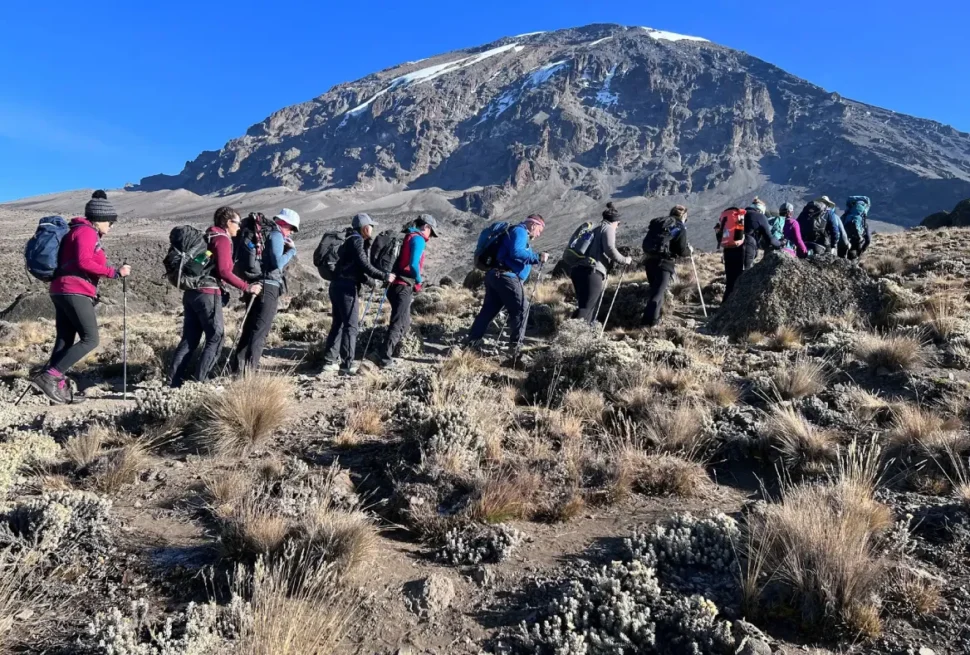
Summit night on Mount Kilimanjaro is the most challenging and memorable part of the climb. Temperatures drop dramatically, often reaching well below freezing, and climbers face long hours of trekking in darkness and thin air. Choosing the right clothing for summit night is essential for safety, comfort, and energy conservation. Proper clothing helps climbers stay warm, manage sweat, and move efficiently toward the top of Africa’s highest peak. This guide explains what to wear and how to layer for Kilimanjaro summit night.
Why Summit Night Clothing Is Critical
Summit night is physically and mentally demanding. Climbers start trekking around midnight to reach the peak by sunrise, facing extreme cold, strong winds, and low oxygen levels. Inadequate clothing can lead to hypothermia, reduced energy, and a higher risk of altitude-related illness. Dressing appropriately is as important as physical training because it directly affects endurance and overall summit success.
Layering for Warmth and Flexibility
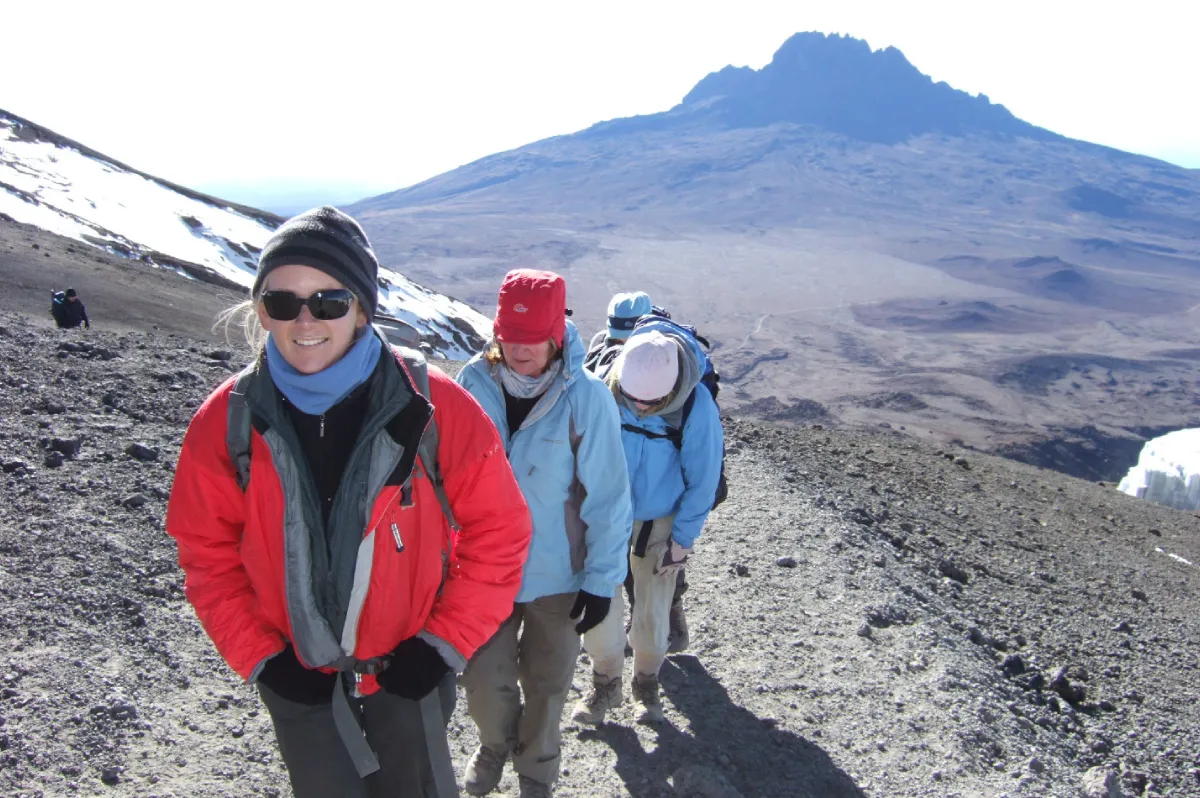
Layering is the most effective way to prepare for summit night. Climbers should wear multiple layers that can be added or removed depending on temperature and exertion levels. The three main layers include a moisture-wicking base layer, insulating mid-layer, and protective outer layer. This system allows for flexibility, helping hikers maintain warmth without overheating.
Base Layers for Moisture Management
The base layer sits directly against the skin and helps manage sweat during long climbs. Moisture-wicking materials such as synthetic fabrics or merino wool are ideal. They pull sweat away from the body and dry quickly, preventing chilling at high altitude. Thermal leggings and long-sleeve tops provide extra warmth and are especially important during summit night.
Insulating Layers for Cold Protection
Insulating layers retain body heat and provide warmth during freezing nighttime temperatures. Fleece jackets, insulated pants, and down or synthetic jackets are recommended. These layers are lightweight yet highly effective at trapping warmth. Insulation should cover the torso, arms, and legs, and climbers can add or remove layers as energy levels and conditions change.
Outer Layers for Wind and Weather
The outer layer protects climbers from wind, cold, and precipitation. Waterproof and windproof jackets and pants are essential on summit night. Breathable materials help regulate temperature during intense physical activity. A well-designed outer layer prevents heat loss while allowing climbers to move comfortably on steep and icy slopes.
Extremities: Hands, Feet, and Head
Hands, feet, and the head are vulnerable to extreme cold and require careful protection. Warm gloves with liner gloves provide insulation while allowing dexterity. Insulated hats and neck gaiters protect against heat loss from the head and neck. High-quality socks and well-fitted hiking boots prevent frostbite and maintain comfort during long hours of walking.
Accessories for Added Comfort
Certain accessories can make summit night more manageable. Sunglasses protect against early morning glare from snow and ice. A headlamp is essential for navigating the trail in darkness, and hand warmers can provide extra heat for extremities. Trekking poles improve stability on steep and slippery sections, reducing fatigue on the knees and legs.
Tips for Dressing on Summit Night
- Dress in layers to easily adjust for changing temperatures and exertion levels
- Avoid cotton clothing, which retains moisture and reduces warmth
- Wear a moisture-wicking base layer to prevent chilling from sweat
- Use insulated outer layers for wind protection
- Carry spare gloves and socks to maintain comfort during extended periods
Proper preparation allows climbers to stay focused and conserve energy for the final push to the summit.
Final Thoughts
Kilimanjaro summit night requires careful clothing choices to ensure warmth, safety, and endurance. Layering with moisture-wicking base layers, insulating mid-layers, and protective outer layers, combined with proper extremity protection, provides the comfort needed to face extreme conditions. Accessories such as headlamps, trekking poles, and hand warmers further support a successful summit attempt. For Tanzania hiking enthusiasts, dressing appropriately for summit night is a crucial step toward achieving the goal of reaching Africa’s highest peak while staying safe and comfortable throughout the climb.