

Tanzania Hiking Guide: Six-Day Kilimanjaro Climb Success Rate
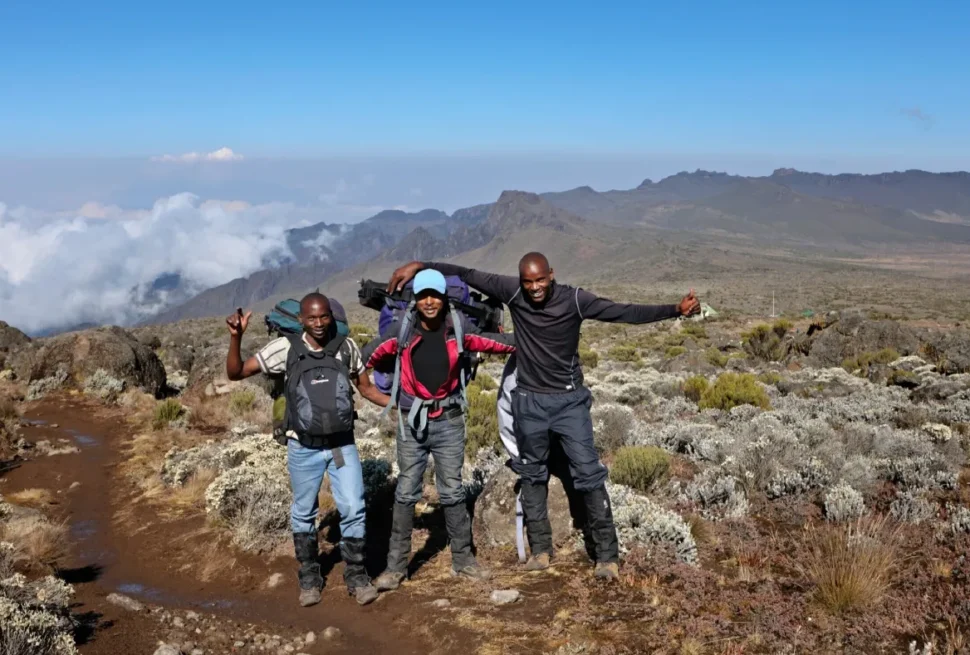
Mount Kilimanjaro, Africa’s tallest mountain at 5,895 meters, is a dream destination for hikers and adventure travelers. While some climbers take seven to nine days to reach the summit, a six-day itinerary is popular among hikers who want a shorter but still challenging adventure. Understanding the success rate of a six-day climb is essential for planning your trek and increasing the likelihood of reaching Uhuru Peak safely.
Why Success Rate Matters
The main challenge of climbing Kilimanjaro is altitude. Rapid elevation gain can cause altitude sickness, which is the leading reason hikers fail to reach the summit. The success rate refers to the percentage of climbers who reach Uhuru Peak, and it is influenced by the route chosen, acclimatization time, physical fitness, and pacing.
A six-day climb provides moderate acclimatization, allowing for a faster trek than longer itineraries but still requiring careful preparation. Hikers must balance the shorter schedule with proper pacing, hydration, and rest to maximize their chances of success.
Six-Day Kilimanjaro Route Options and Success Rates
Several routes on Kilimanjaro can be completed in six days. Each route has unique characteristics, scenic highlights, and varying levels of difficulty. The following chart compares the main six-day options:
| Route | Difficulty | Scenery | Summit Success Rate | Notes |
|---|---|---|---|---|
| Machame | Moderate | Rainforest, moorland, alpine desert | 80–85% | Popular scenic route, steady climb |
| Rongai | Moderate | Northern slopes, less crowded | 80–85% | Gentle ascent, quiet trekking experience |
| Shira | Moderate | Shira Plateau, moorland, alpine desert | 80–85% | Scenic plateau, limited acclimatization |
| Marangu | Easy to Moderate | Rainforest, moorland, alpine desert | 60–70% | Hut accommodation, rapid ascent |
| Umbwe | Hard | Steep southern slopes, less scenic | 55–65% | Steepest and most challenging, for experienced hikers |
Highlights of Each Route
Machame Route
The Machame Route is one of the most popular and scenic options. It passes through rainforests, moorlands, and alpine deserts. While the six-day itinerary is fast, its moderate pace and trail structure make it one of the higher success rate options for a shorter climb.
Rongai Route
Rongai approaches from the north and is less crowded than other routes. Its gentle slopes make it easier to maintain a steady pace, which helps with altitude adjustment. The quieter trail also provides a peaceful trekking experience.
Shira Route
Shira is a western approach that crosses the Shira Plateau. Its dramatic landscapes and alpine desert terrain make it one of the most scenic six-day options. However, the shorter itinerary slightly reduces acclimatization time compared to longer treks.
Marangu Route
Marangu is the oldest route on Kilimanjaro and is often referred to as the Coca-Cola Route. It uses huts for accommodation instead of camping. The route is convenient but climbs more rapidly, which lowers the summit success rate.
Umbwe Route
Umbwe is the steepest and most physically demanding route. It is less traveled and suitable only for experienced hikers with excellent fitness. The rapid ascent and challenging terrain contribute to the lower success rate.
Tips to Improve Summit Success on a Six-Day Climb
- Maintain a slow and steady pace, especially at higher altitudes.
- Drink three to four liters of water per day to stay hydrated.
- Eat high-energy snacks and meals to maintain stamina.
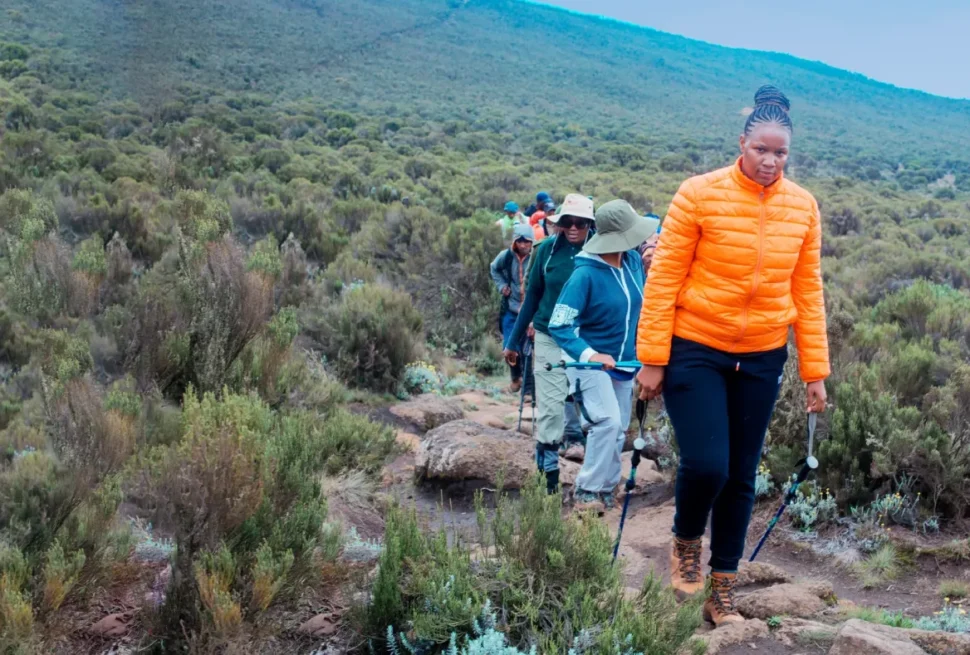
- Use trekking poles for stability on steep or rocky sections.
- Hire experienced guides who can monitor health, adjust pace, and provide support.
Final Thoughts
A six-day Kilimanjaro climb offers a balance between time efficiency and summit success. While longer routes provide better acclimatization, a well-planned six-day itinerary can be a safe and rewarding experience. Routes such as Machame, Rongai, and Shira provide the highest success rates, while Marangu and Umbwe present greater challenges due to rapid ascent and limited acclimatization.
For hikers with limited time, understanding the differences between these routes, their difficulty, scenery, and summit success rates is crucial. With proper preparation, pacing, and guidance, standing on Uhuru Peak in six days is an achievable and unforgettable experience.