

Tanzania Hiking Guide: How to Prepare for Mount Kilimanjaro
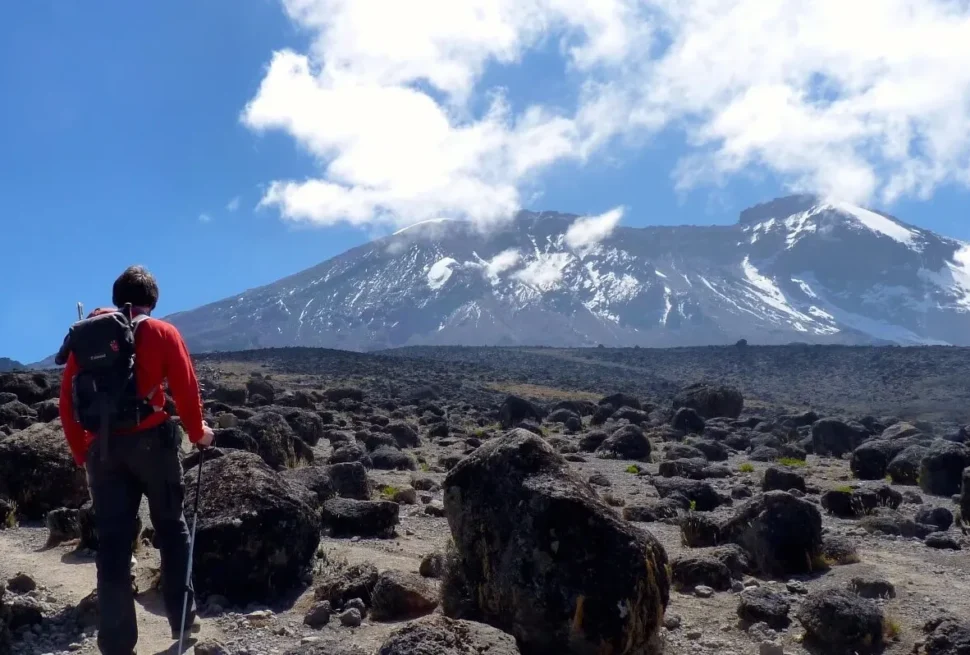
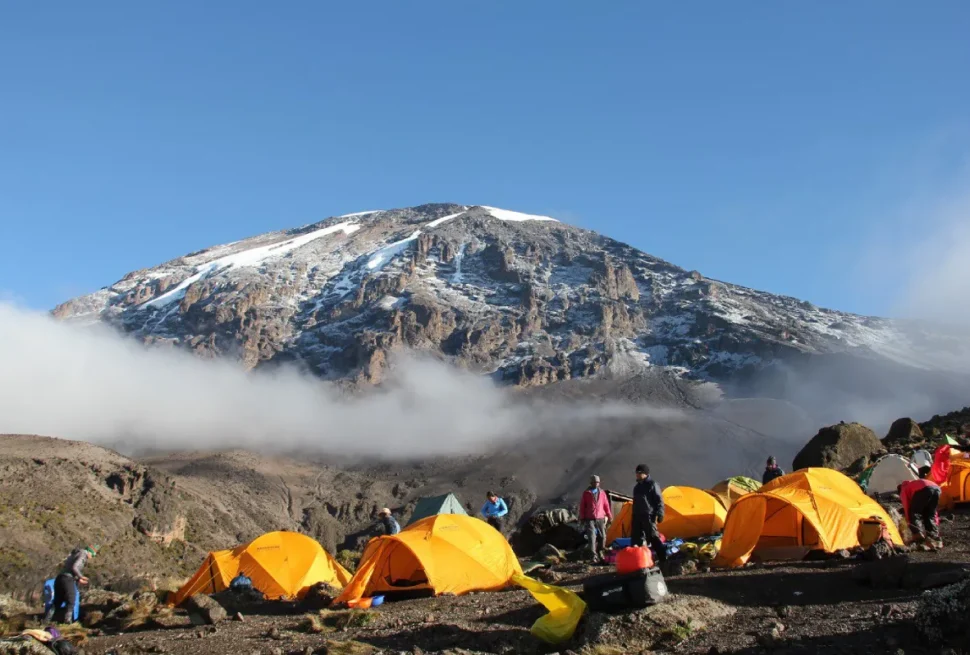
Climbing Mount Kilimanjaro is one of the most exciting adventures for hikers visiting Tanzania. As Africa’s highest peak at 5,895 meters, it requires preparation, endurance, and careful planning. Proper preparation can make the difference between a successful summit and a challenging experience. This guide explains the essential steps to prepare physically, mentally, and logistically for a Kilimanjaro climb.
Physical Preparation
Mount Kilimanjaro is a non-technical climb, but it demands stamina, strength, and endurance. Hikers should begin physical training several months before the trek. Key areas of focus include:
- Cardiovascular fitness: Activities such as running, cycling, swimming, or hiking improve stamina and prepare the body for long trekking days.
- Strength training: Building leg, core, and back muscles helps carry a backpack and handle uneven terrain. Exercises like squats, lunges, and planks are highly effective.
- Endurance hiking: Practice long hikes with a weighted backpack to simulate real trekking conditions. Gradually increase distance and elevation to build resilience.
Physical preparation reduces fatigue, improves acclimatization, and increases the likelihood of reaching the summit.
Acclimatization and Health Considerations
Altitude sickness is a common challenge on Kilimanjaro. Preparing for high elevation includes both physical conditioning and understanding how to acclimatize during the climb. Tips for proper acclimatization include:
- Choose a longer itinerary to allow gradual ascent.
- Stay hydrated and avoid alcohol or excessive caffeine.
- Recognize early signs of altitude sickness and inform your guide.
- Maintain a steady pace during trekking to reduce stress on the body.
Consulting a doctor before the climb is also important. Ensure vaccinations are up to date and discuss any pre-existing medical conditions or medications needed at high altitude.
Essential Gear and Equipment
Having the right gear can make the climb safer and more comfortable. Key equipment includes:
- Proper hiking boots with ankle support and good traction
- Insulated jackets, gloves, and thermal layers for cold conditions
- Sleeping bags rated for low temperatures
- Trekking poles to reduce strain on knees
- Headlamps for early morning summit attempts
- Water bottles, hydration systems, and snacks for energy
Testing gear before the climb helps identify any issues and ensures that all equipment is functional at high altitude.
Mental Preparation
Climbing Kilimanjaro is as much a mental challenge as a physical one. Long trekking days, changing weather, and altitude fatigue require mental endurance. Strategies to prepare mentally include:
- Setting realistic expectations about pace and conditions
- Practicing mindfulness, meditation, or breathing exercises to manage stress
- Visualizing success and focusing on incremental goals rather than the summit alone
- Being flexible and ready to adapt if conditions or health issues arise
Mental preparation builds resilience and helps climbers maintain motivation throughout the trek.
Logistics and Planning
Successful preparation also involves careful planning and organization. Important considerations include:
- Selecting a reputable tour operator with experienced guides
- Booking park permits and fees in advance
- Planning travel and accommodations before and after the climb
- Budgeting for tips, equipment, travel insurance, and extra expenses
- Packing light but including all essential items to reduce weight and increase mobility
A well-organized plan reduces stress and allows climbers to focus on the experience and safety of the trek.
Final Thoughts
Preparing for Mount Kilimanjaro requires physical training, mental readiness, proper gear, and careful logistical planning. By focusing on fitness, acclimatization, and essential equipment, hikers increase their chances of reaching the summit safely and comfortably. Mental preparation and a flexible mindset are equally important for enjoying the journey. With thorough preparation, Tanzania hiking enthusiasts can experience the unforgettable adventure of climbing Africa’s highest peak and create lasting memories.