
Kilimanjaro Rescue Procedures: Staying Safe on Africa’s Highest Peak
Climbing Mount Kilimanjaro is a once-in-a-lifetime experience, but it’s important to understand rescue procedures in case of emergencies. While Kilimanjaro is a non-technical trekking mountain, high altitude, weather, and physical exhaustion can create situations that require immediate intervention. Knowing what to expect can give climbers confidence and peace of mind.
Common Emergencies on Kilimanjaro
Most rescues on Kilimanjaro are related to:
- Altitude sickness (AMS, HAPE, HACE)
- Severe dehydration or exhaustion
- Injuries such as slips or falls
- Hypothermia or exposure to extreme cold
Being aware of the risks and recognizing early symptoms is critical. Professional guides are trained to identify emergencies and initiate rescue procedures quickly.
Step 1: Recognition and Assessment
The first step in any rescue is early recognition of danger. Experienced guides from Tanzania Hiking:
- Monitor climbers for signs of altitude sickness
- Check for fatigue, shortness of breath, or confusion
- Assess injuries from slips or falls
- Evaluate environmental hazards such as storms or ice
Quick assessment allows the guide to decide whether the climber can continue safely, needs rest, or requires immediate descent.
Step 2: On-Site Stabilization
If a climber is in distress:
- Guides provide first aid for injuries
- Oxygen may be administered for severe AMS, HAPE, or HACE
- Warm clothing or blankets are provided for hypothermia
- Hydration and energy supplementation are given
These measures stabilize the climber before evacuation, increasing the chances of a safe recovery.
Step 3: Evacuation to Lower Camps
Most Kilimanjaro rescues involve descending to a lower altitude, where oxygen levels are higher and conditions are safer. Depending on the situation:
- Guides assist climbers by helping them walk slowly
- Stretchers or carrying poles may be used for incapacitated climbers
- Support teams manage gear and logistics to maintain safety
Descending is the most effective treatment for serious altitude-related emergencies.
Step 4: Professional Assistance
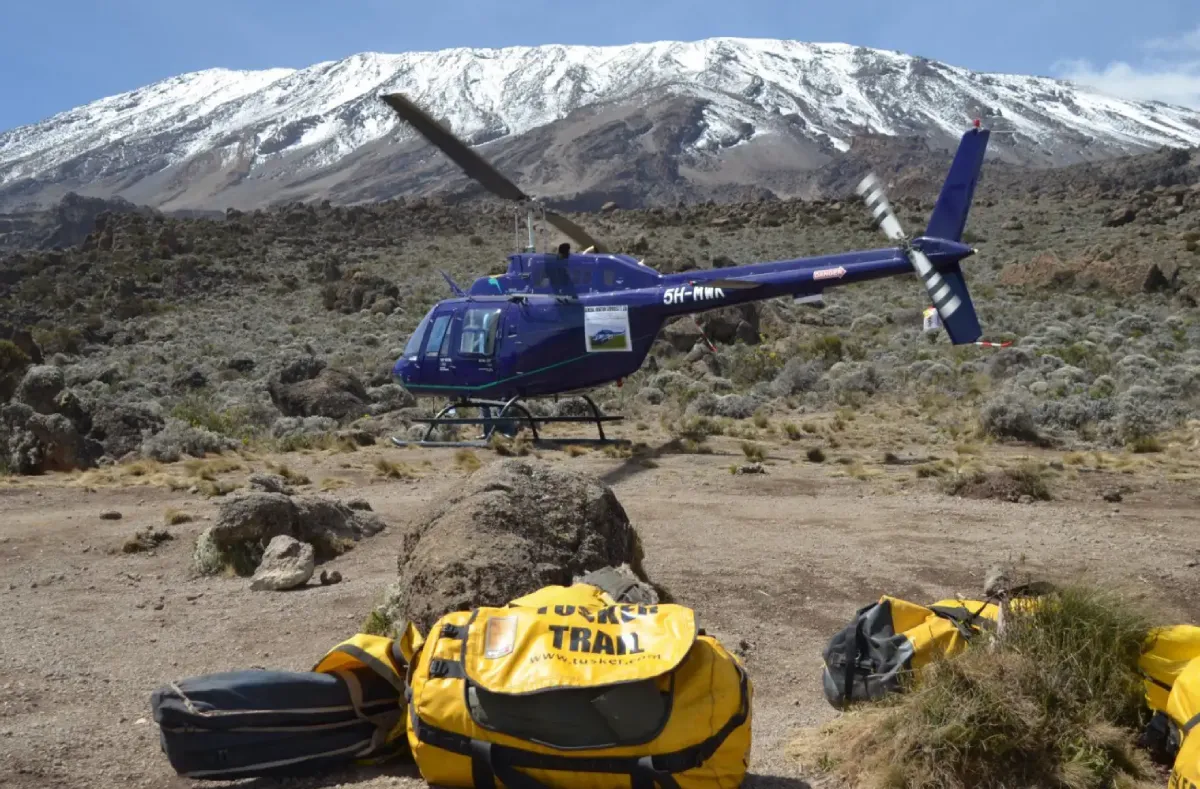
For severe cases, climbers may require helicopter evacuation. Helicopter rescues are available on Kilimanjaro, particularly from the Rongai and Machame sides, though they are subject to weather conditions. Tanzania Hiking guides coordinate with rescue operators to ensure timely assistance if needed.
Preventive Measures to Reduce Rescue Needs
While rescues are rare, prevention is better than cure. Key strategies include:
- Climb slowly and allow proper acclimatization
- Use experienced guides
- Stay hydrated and well-nourished
- Monitor for early symptoms of altitude sickness
- Carry proper gear and clothing for changing conditions
Following these preventive measures minimizes the likelihood of emergencies.
Why Guided Climbs Improve Safety
Guided climbs with professional teams, like Tanzania Hiking, are far safer than unguided ascents. Our guides are trained in:
- Altitude sickness recognition and response
- Emergency first aid
- Evacuation logistics
- Communication with rescue services
With expert guidance, climbers have access to immediate support, reducing risks and increasing summit success.
Book Your Kilimanjaro Climb with Tanzania Hiking
At Tanzania Hiking, your safety is our priority. We follow strict protocols and provide comprehensive support to handle emergencies effectively.
For bookings and inquiries, contact
- info@tanzaniahiking.com
- WhatsApp +255 752213715 / +255 754557877.
Request a Quote for Your Kilimanjaro Adventure
Below this page, you’ll find a request-a-quote form. Share your preferred travel dates, route, and group size, and our team will provide a personalized itinerary with detailed pricing.