

Tanzania Hiking Guide: Kilimanjaro Park Fees Explained
Climbing Mount Kilimanjaro is one of the most popular adventure activities in Tanzania. As the highest mountain in Africa, it attracts thousands of hikers every year. One of the most important aspects of planning a climb is understanding Kilimanjaro park fees. These fees are mandatory for all climbers and represent a significant portion of the total cost of the trek. Knowing how park fees work helps hikers budget properly and ensures a safe and well-supported experience on the mountain.
What Are Kilimanjaro Park Fees
Kilimanjaro park fees are payments required by the Tanzania National Parks Authority to enter and climb the mountain. The fees are used to maintain the park, protect wildlife and natural habitats, support staff, and provide emergency and rescue services. Every climber must pay these fees regardless of the route, duration, or operator.
The main components of park fees include conservation fees, camping or hut fees, and rescue fees. These charges contribute to the sustainability of the park and ensure that climbers can enjoy a safe and well-managed environment.
Types of Park Fees
Conservation Fee
The conservation fee is the largest part of the park fees. It is charged per day and varies depending on the route and number of days spent on the mountain. This fee helps maintain trails, campsites, and natural resources while protecting the mountain’s unique ecosystems.
Camping and Hut Fees
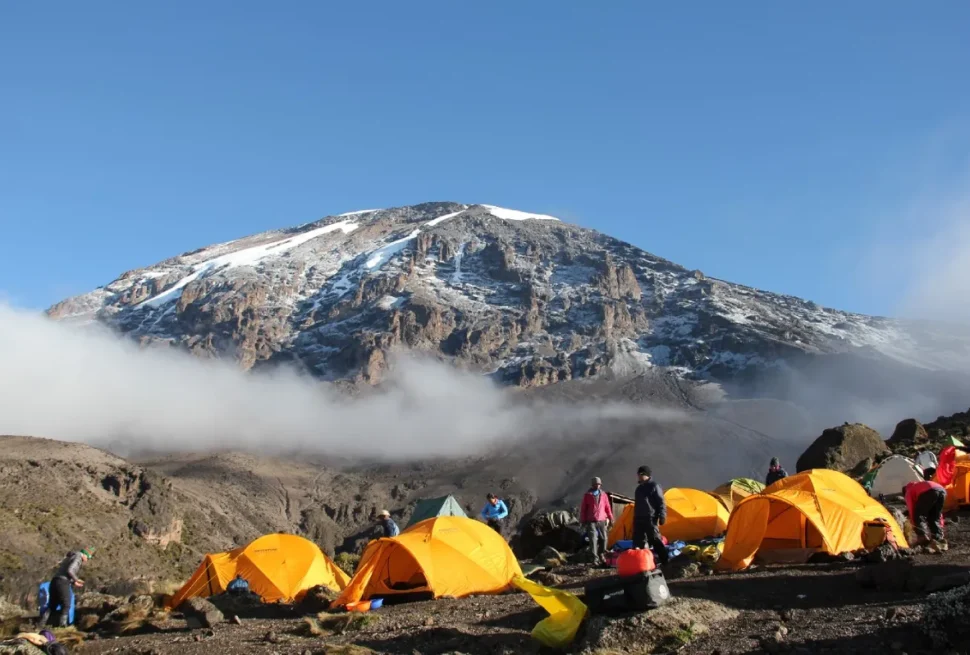
Each overnight stay in the park requires payment for accommodation. Depending on the route, hikers may stay in camps or mountain huts. Camping fees cover tent space, basic facilities, and sometimes bedding. Hut fees apply to routes like Marangu, where climbers stay in shared huts instead of tents. These fees ensure that camps and huts are maintained for safety and comfort.
Rescue and Emergency Fees
A portion of the park fees is allocated to rescue and emergency services. These funds support trained personnel, medical equipment, and evacuation procedures in case a climber falls ill or encounters a serious problem at high altitude. Knowing that rescue services are available provides peace of mind for climbers.
How Park Fees Are Calculated
Park fees depend on several factors, including the route, duration of the climb, and type of accommodation. Longer routes with more days in the park result in higher fees, while shorter routes have lower total fees. Hut accommodations may be slightly more expensive than basic camping due to the additional facilities provided.
For example, a seven-day climb on a popular route will include daily conservation fees, overnight camp fees for each night, and a fixed rescue fee. All these charges are usually included in a climbing package offered by reputable operators.
Why Kilimanjaro Park Fees Are Important
Park fees are essential for the sustainability of Mount Kilimanjaro. They fund trail maintenance, waste management, and preservation of the mountain’s unique flora and fauna. They also support the local community by providing jobs for guides, porters, and other park staff. Paying the fees ensures that future generations of hikers can continue to enjoy a well-maintained and safe trekking experience.
Additionally, these fees contribute to safety. By supporting rescue teams and medical facilities, park fees help minimize the risks associated with high-altitude climbing.
Tips for Hikers Regarding Park Fees
- Always confirm that park fees are included in your climbing package.
- Choose a reputable operator that pays all fees officially to the Tanzania National Parks Authority.
- Budget for park fees when planning your total cost for the climb.
- Remember that longer routes may have higher fees, but they also provide better acclimatization and increase summit success.
Final Thoughts
Understanding Kilimanjaro park fees is essential for anyone planning to climb the mountain. These fees support conservation, maintain infrastructure, and provide emergency services, ensuring that every climb is safe and sustainable. While they may represent a significant portion of the total cost, park fees are a necessary investment in both the mountain and the climbing experience. For Tanzania hiking enthusiasts, paying these fees ensures a well-managed adventure and contributes to the preservation of Africa’s highest peak.