

How much Doest it Cost?
How Much Does It Cost to Climb Mount Kilimanjaro?
The cost of climbing Mount Kilimanjaro depends on several logistical, operational, and safety-related factors. There is no single fixed price, as every trek varies based on group size, route choice, number of days, service level, and inclusions.
Understanding where your money goes helps you choose the right operator and avoid unsafe budget shortcuts. A well-planned Kilimanjaro climb is an investment in safety, success, and experience.
Why Choosing the Right Operator Matters
Selecting the right Kilimanjaro tour operator is one of the most important decisions you will make. While price is important, it should never be the only factor.
When comparing operators, consider:
- Safety standards and summit success rates
- Guide experience and crew welfare
- Quality of equipment and food
- Compliance with Kilimanjaro National Park regulations
A cheaper climb may appear attractive, but hidden costs, poor safety practices, or underpaid staff can make it far more expensive in the long run.
Key Factors That Affect the Cost of a Kilimanjaro Climb
1. Group Size
The larger the group, the lower the cost per person.
- Private climbs with 1–2 people are the most expensive
- Groups of 6–12 climbers significantly reduce individual costs
- Tanzania Hiking offers open group climbs, allowing solo travelers to join others and save money
2. Number of Days on the Mountain
Each additional day increases costs due to:
- Park fees
- Staff wages
- Food and supplies
- Equipment usage
Longer itineraries cost more but greatly improve acclimatization and summit success, making them better value overall.
3. Level of Service (Budget vs Midrange vs Luxury)
There are three main pricing categories for Kilimanjaro operators:
Budget Operators
- Lowest upfront prices
- Minimal services and basic equipment
- Often rely heavily on tips to pay staff
- Higher safety and ethical risks
Midrange Operators (Recommended)
- Balanced cost and comfort
- Professional guides and fair porter treatment
- Quality food, equipment, and safety systems
Luxury Operators
- Premium comfort and personalized service
- High-end tents, gourmet meals, and extra staff
- Higher prices reflecting exclusive services
Tanzania Hiking operates in the midrange to high-quality category, prioritizing safety, ethics, and value.
How Much Does It Cost to Climb Kilimanjaro?
On average, a safe and properly organized Kilimanjaro climb costs:

USD $1,800 – $4,000+ per person
Prices vary depending on:
- Route and duration
- Group size
- Service level
- Add-ons (safari, Zanzibar, gear rental, transfers)
Prices significantly below this range often indicate cut corners, unpaid staff, or unsafe operations.
Remember: cheap is expensive when it comes to Kilimanjaro.
What Is Included in the Kilimanjaro Climbing Price?
When you book with Tanzania Hiking, your climb cost includes:
- Certified, professional mountain guides
- High guide-to-client ratio (1:2)
- Experienced cooks and hardworking porters
- Fair wages for all crew members
- All Kilimanjaro National Park fees
- Quality four-season mountain tents and equipment
- Mess tent with tables and chairs
- Fresh, nutritious meals (breakfast, lunch, dinner)
- Clean, purified drinking water
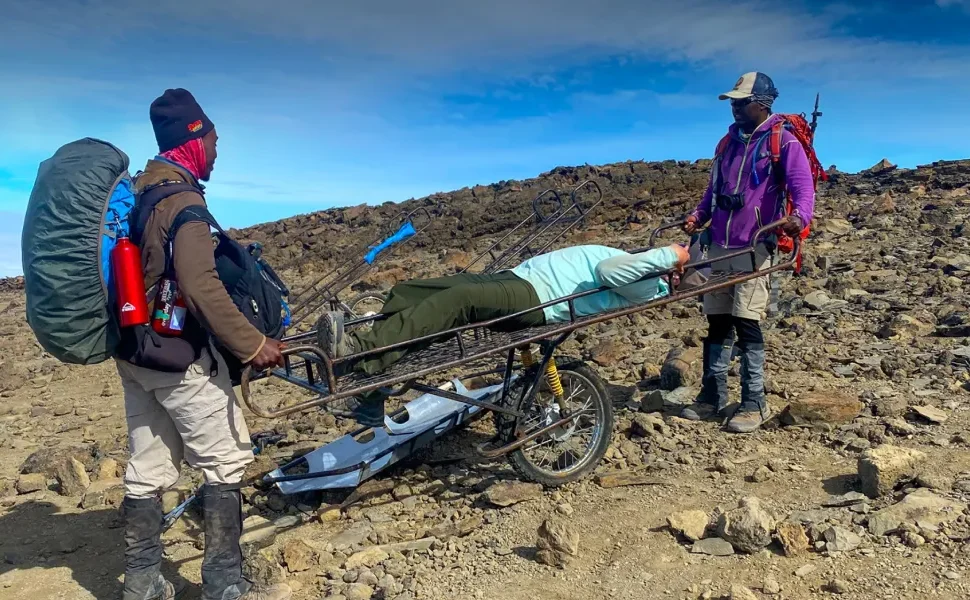
- Emergency oxygen and first-aid kits
- Comprehensive safety and crisis management procedures
What Is Not Included in the Kilimanjaro Price?
The following are not typically included:
- Accommodation in Moshi or Arusha before/after the climb
- International flights
- Tanzania visa fees
- Travel insurance
- Personal gear purchase or rental
- Tips for guides and porters
- Personal expenses (laundry, drinks, souvenirs)
- Optional add-ons (safaris, Zanzibar beach holidays)
Where Does Your Kilimanjaro Climb Money Go?
Kilimanjaro National Park Fees
Park fees are mandatory and form the largest portion of the total cost.
Depending on route and duration, park fees range from:
USD $800 – $1,100 per climber
These fees include:
- Conservation fees
- Camping or hut fees
- Rescue fees
- Crew entry fees
- Government VAT
It is illegal and impossible to climb Kilimanjaro without paying park fees. Attempting to do so can result in fines, deportation, or imprisonment.
Guides, Porters, and Cook Wages
Crew wages are another major cost factor.
Average daily wages:
- Guides: USD $20–$40
- Cooks: USD $10–$15
- Porters: USD $7–$10
Ethical operators ensure crews are paid fairly regardless of tips. Budget operators often rely on tips as the primary source of income, leading to exploitation and inexperienced staff.
Food, Logistics, and Transport
Your climbing package includes:
- Fresh food supplies
- Three meals per day
- Tea, coffee, and safe drinking water
- Transfers and resupplies
These logistics typically cost around USD $55 per climber, depending on route and duration.
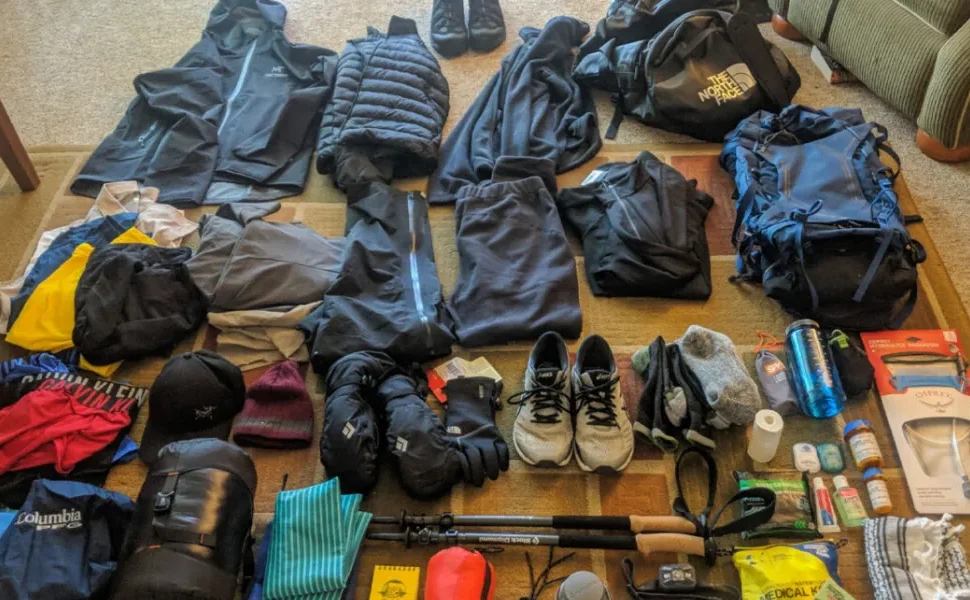
Mountain Gear and Equipment
High-quality gear is essential for safety and comfort.
Your operator should provide:
- Strong, weatherproof mountain tents
- Proper dining tents with tables and chairs
- Sleeping mats
- Backup equipment
- Portable toilets (on select routes)
Equipment undergoes heavy wear and must be regularly replaced—another reason ultra-cheap climbs are unrealistic.
How Route Choice Affects Cost
Different Kilimanjaro routes vary in:
- Length
- Difficulty
- Scenery
- Popularity
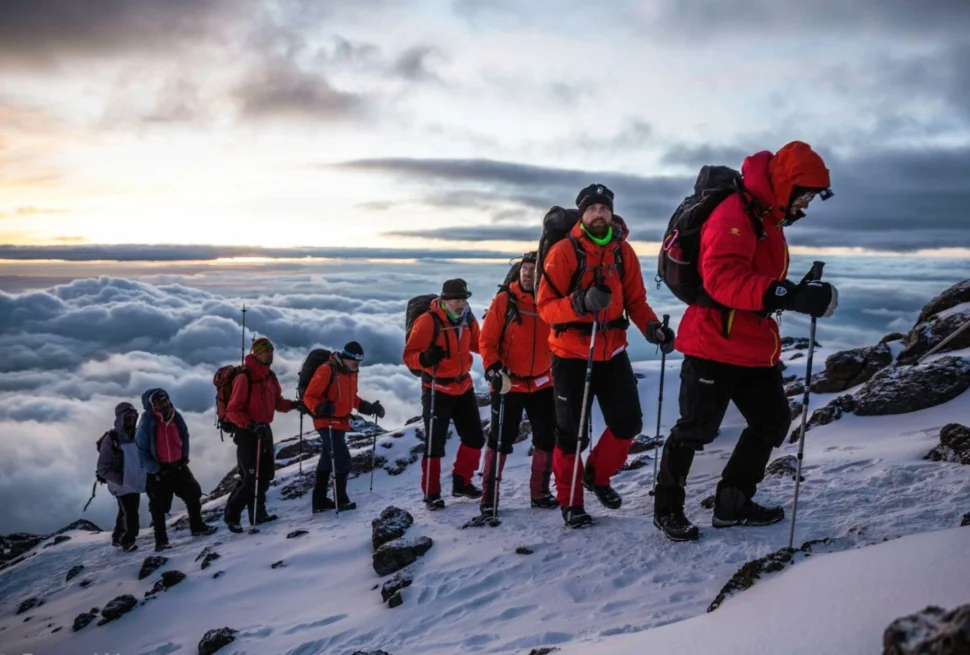
Longer and more scenic routes (like Lemosho or Northern Circuit) cost more but offer:
- Better acclimatization
- Higher success rates
- Fewer crowds
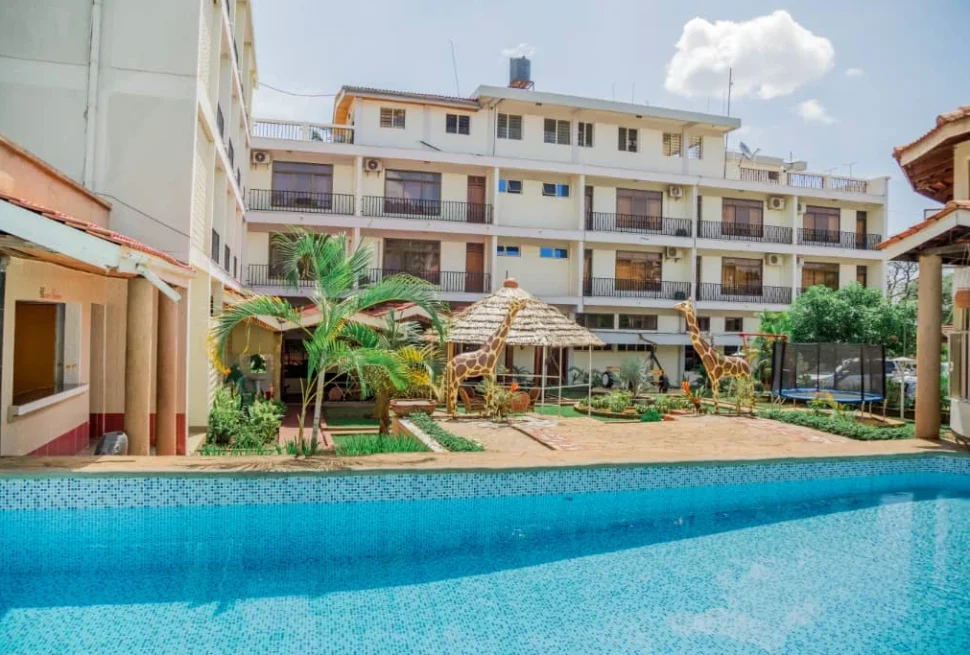
Accommodation Costs in Moshi
Moshi offers accommodation for all budgets:
- Budget hostels: from USD $5–$15 per night
- Midrange hotels: USD $40–$100 per night
- Luxury lodges: USD $100–$500+ per night
Travel Insurance Costs
Comprehensive travel insurance is mandatory.
Your policy must cover:
- Trekking up to 6,000 meters
- Emergency evacuation (including helicopter rescue)
- Medical treatment
- Trip cancellation and lost luggage
Flights and Visa Costs
Additional costs to consider:
- International flights (prices vary seasonally)
- Tanzania visa (USD $50 for most nationalities, USD $100 for US citizens)
Booking flights early helps reduce costs.
Final Thoughts: What Should You Budget?
A realistic and responsible budget for climbing Mount Kilimanjaro includes:
- A properly priced climb
- Ethical treatment of staff
- Strong safety systems
- Quality equipment and food
With Tanzania Hiking, you get transparent pricing, local expertise, and a safe path to the Roof of Africa.
Get a Free Kilimanjaro Quote
📧 Email: info@tanzaniahiking.com
📱 WhatsApp: +255 752 213 715 / +255 754 557 877
📝 Contact us for a free quote tailored to your route, dates, and group size.