

Tanzania Hiking Guide: Best Backpacks for Kilimanjaro Climb
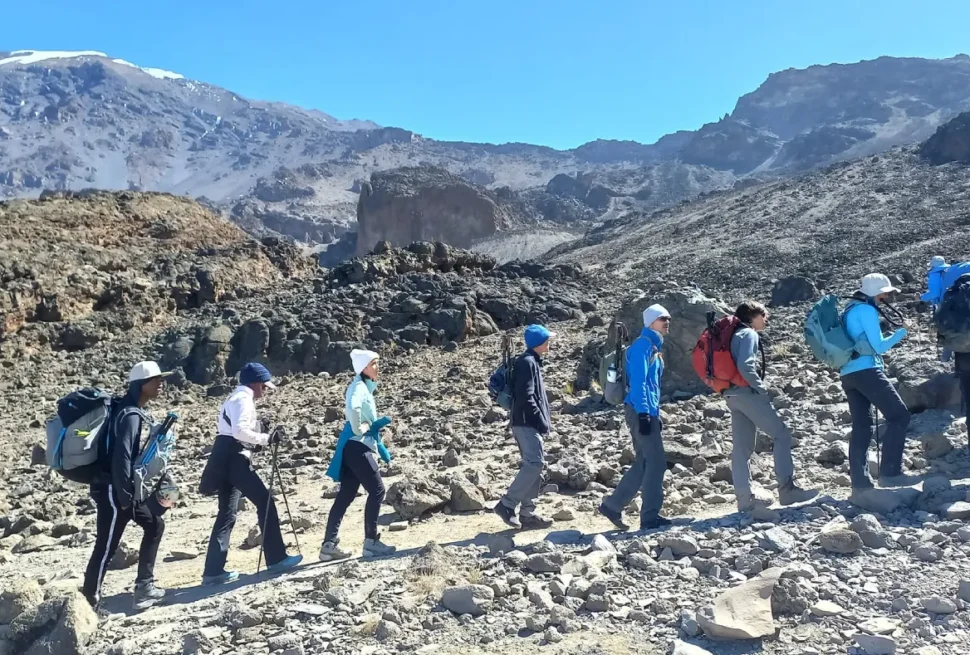
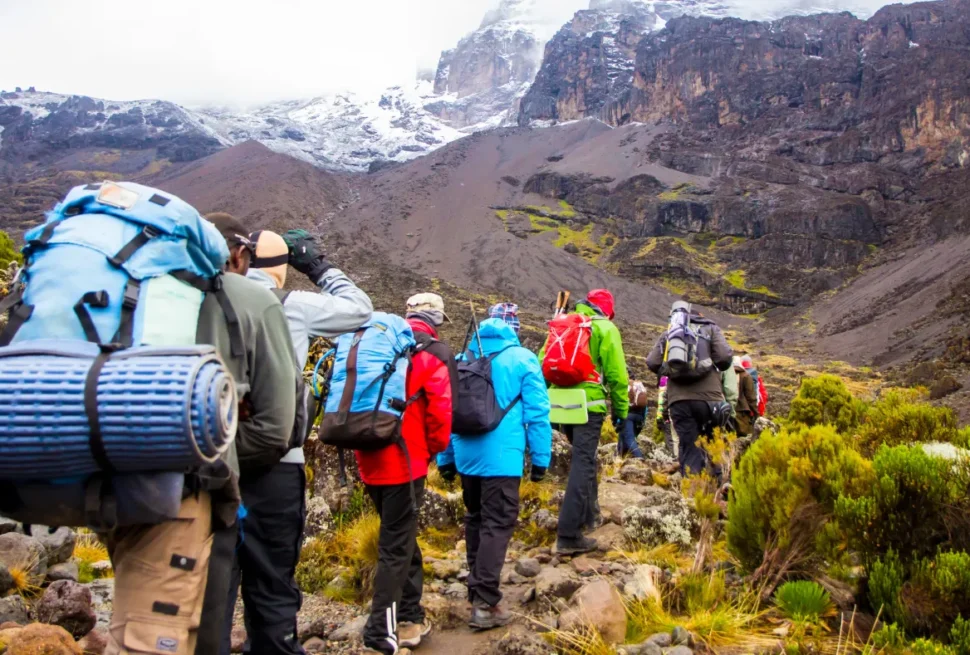
Choosing the right backpack is essential for a successful Mount Kilimanjaro climb. Hikers carry essential items such as water, snacks, extra clothing, and personal gear throughout the day, often over challenging terrain and steep ascents. A well-designed backpack provides comfort, stability, and organization, allowing climbers to focus on the trek without fatigue or discomfort. This guide explores the features to look for in the best backpacks for Kilimanjaro and tips for packing efficiently.
Why Backpack Selection Matters
Mount Kilimanjaro involves long trekking days, sometimes up to eight or nine hours, across various terrain. An unsuitable backpack can cause back pain, shoulder strain, and reduced stamina. The right backpack distributes weight evenly, keeps items accessible, and protects the wearer from discomfort. Selecting an appropriate backpack ensures that climbers carry only what is necessary while maintaining balance and energy during the climb.
Ideal Backpack Size
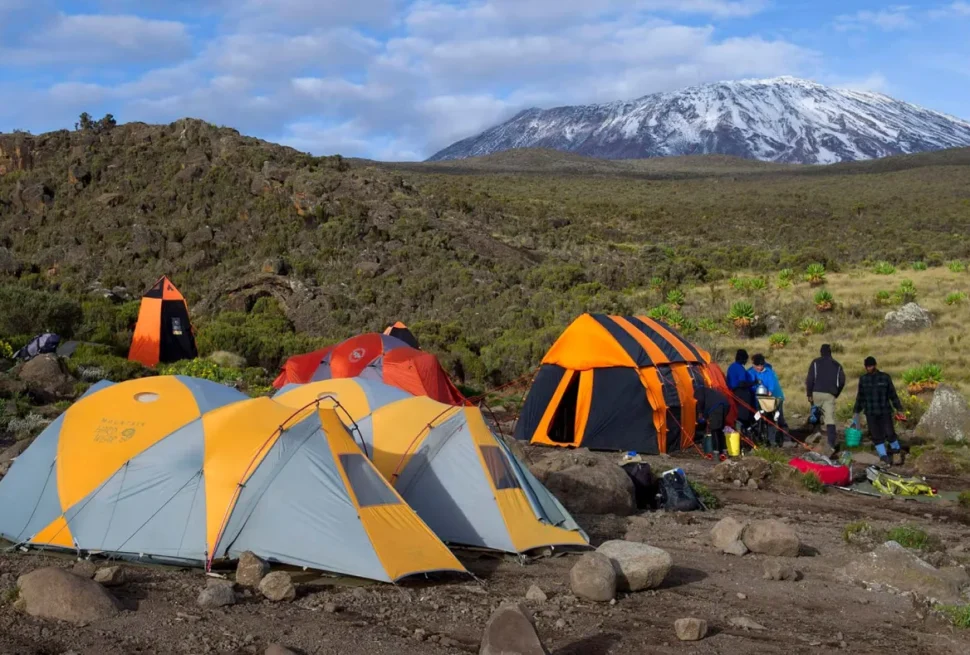
The size of a backpack depends on the duration of daily trekking and the amount of personal gear carried. For most Kilimanjaro climbs, a daypack between 25 and 35 liters is sufficient. This size allows hikers to carry water, snacks, extra layers, a camera, and essential personal items without adding excessive weight. Larger backpacks are usually unnecessary because porters carry camping gear, tents, and food for multi-day climbs.
Features to Look for in a Backpack
The best backpacks for Kilimanjaro include several key features for comfort and convenience:
- Adjustable padded shoulder straps for a secure fit
- Ventilated back panel to reduce sweat and overheating
- Sternum and hip straps to stabilize weight and reduce shoulder strain
- Multiple compartments for organizing gear and quick access
- External pockets for water bottles, trekking poles, and small essentials
- Durable, water-resistant materials for protection against rain and dirt
A well-designed backpack improves comfort, balance, and efficiency on long trekking days.
Weight Distribution and Fit
Proper fit is critical for comfort and injury prevention. The backpack should sit snugly against the back, with most weight supported by the hips rather than the shoulders. Adjustable straps allow climbers to customize the fit and stabilize the load. Testing backpacks during training hikes helps ensure comfort and identifies any adjustments needed before the climb.
Hydration Systems
Staying hydrated is essential at high altitude. Many backpacks include integrated hydration reservoirs or sleeves for water bladders. These systems allow climbers to drink regularly without stopping or removing the backpack. Hydration bladders, combined with insulated tubing, help prevent water from freezing in cold conditions during high-altitude sections of the climb.
Lightweight and Durable Materials
Backpacks should be lightweight to reduce fatigue during long trekking days while remaining durable enough to withstand rough terrain and daily use. Reinforced stitching, abrasion-resistant fabrics, and strong zippers increase longevity and performance. Lightweight backpacks also make it easier to adjust layers or add extra items for sudden weather changes.
Organizing Gear Efficiently
A well-packed backpack improves comfort and accessibility. Items frequently used during the day, such as gloves, hats, snacks, and water, should be placed in easily accessible compartments or external pockets. Less-used items, like extra clothing layers or cameras, can be stored deeper in the main compartment. Proper organization reduces the need to unpack frequently and keeps essentials within reach.
Tips for Kilimanjaro Backpack Use
- Adjust straps and load before starting the hike to ensure proper weight distribution
- Keep frequently used items in outer pockets for easy access
- Avoid overpacking; carry only what is necessary for the day
- Use waterproof covers or dry bags to protect gear in rainy or snowy conditions
These practices enhance comfort and safety during long hours on the mountain.
Final Thoughts
Selecting the best backpack for a Kilimanjaro climb is critical for comfort, efficiency, and safety. A properly sized, well-fitted, and durable backpack allows climbers to carry essential gear without strain, while hydration systems and organized compartments improve convenience. For Tanzania hiking enthusiasts, investing in a high-quality backpack and preparing it with the right items ensures a smoother and more enjoyable experience, allowing hikers to focus on the adventure and the ultimate goal of reaching the summit of Africa’s highest peak.