
Tanzania Hiking Guide: Renting vs Buying Kilimanjaro Gear
Climbing Mount Kilimanjaro is a dream for many hikers, and preparation often involves choosing the right gear. One of the most common questions for first-time climbers is whether to rent or buy equipment. Proper gear is essential for safety, comfort, and summit success, but making the right choice can save money, reduce packing stress, and improve the overall experience. This guide explores the advantages and disadvantages of renting versus buying Kilimanjaro gear and offers tips for making the best decision.
Why Gear Choice Matters
Mount Kilimanjaro has diverse terrain, from tropical forests to alpine deserts and icy summit conditions. Hikers face steep climbs, long trekking days, and extreme temperature changes. Wearing the right clothing and using appropriate equipment directly affects endurance, comfort, and safety. Choosing whether to rent or buy should take into account personal experience, budget, and the specific gear needed for the climb.
Advantages of Renting Gear
Renting gear is a practical option for climbers who do not plan to trek frequently. Benefits include:
- Reduced cost for expensive items like down jackets, sleeping bags, and trekking poles
- Less packing and baggage management for flights and transfers
- Access to specialized equipment without a long-term investment
- Convenience for travelers arriving in Tanzania with limited luggage space
Renting is particularly useful for items that are bulky, heavy, or costly and are unlikely to be used often after the climb.
Disadvantages of Renting Gear
While renting can be convenient, there are drawbacks. Rented gear may vary in quality and condition. Ill-fitting boots, worn jackets, or poorly maintained sleeping bags can reduce comfort and increase the risk of blisters or cold exposure. Additionally, climbers may need to adjust to unfamiliar equipment, which can affect confidence and performance during the climb. Availability of rental gear may also be limited during peak climbing season.
Advantages of Buying Gear
Buying gear is a worthwhile investment for climbers who plan to trek multiple mountains or engage in regular outdoor activities. Benefits of owning your own gear include:
- Proper fit and comfort tailored to your body and preferences
- Familiarity with your equipment, improving confidence and efficiency on the mountain
- Long-term investment that can be used for future climbs or other hiking adventures
- Ability to choose high-quality, reliable gear suited to your needs
Owning gear also allows climbers to prepare and test equipment before the climb, ensuring everything works as expected.
Disadvantages of Buying Gear
The main drawback of buying gear is the initial cost. High-quality boots, insulated jackets, sleeping bags, and other equipment can be expensive. Additionally, transporting gear to Tanzania may add logistical challenges and baggage fees. Some items may only be used occasionally, making them less cost-effective if the climber is not planning additional treks.
Gear to Consider Renting vs Buying
Some items are better rented, while others are worth purchasing:
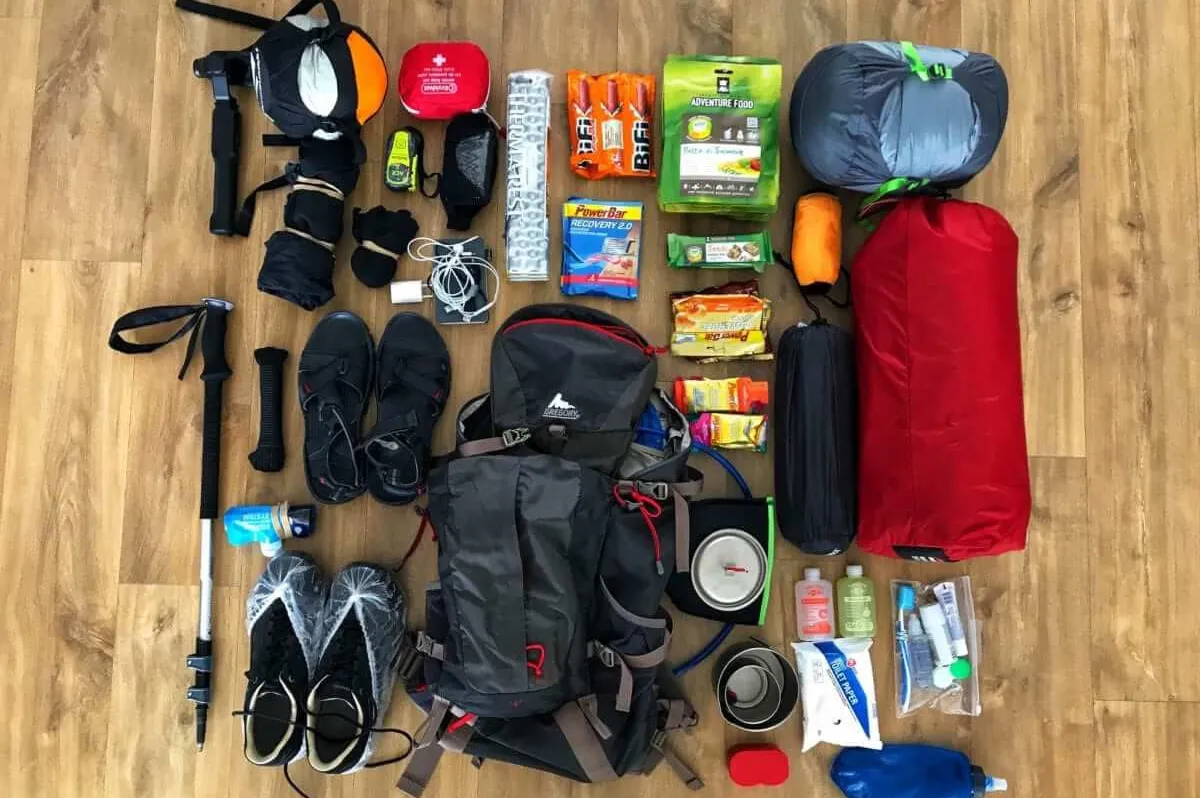
- Rentable items: sleeping bags, insulated jackets, trekking poles, and crampons for summit conditions
- Worth buying: well-fitted hiking boots, base layers, socks, and personal accessories like gloves, hats, and gaiters
This combination allows climbers to balance cost savings with comfort and performance.
Tips for Renting or Buying Gear
- Test any purchased gear during training hikes to ensure comfort and suitability
- Verify the condition and size of rental gear before the climb
- Check with your tour operator for rental options included in the package
- Pack gear efficiently, whether rented or owned, to reduce weight and stress during transfers
Planning ahead ensures that gear decisions support a smooth and safe trekking experience.
Final Thoughts
Deciding whether to rent or buy Kilimanjaro gear depends on experience, budget, and long-term hiking goals. Renting is convenient and cost-effective for first-time climbers or occasional trekkers, while buying ensures comfort, familiarity, and long-term use for regular hikers. Choosing the right approach allows Tanzania hiking enthusiasts to focus on the climb, stay safe, and enjoy the incredible journey to Africa’s highest peak. Proper gear preparation, whether rented or owned, is a key factor in achieving a successful summit and a memorable trekking experience.