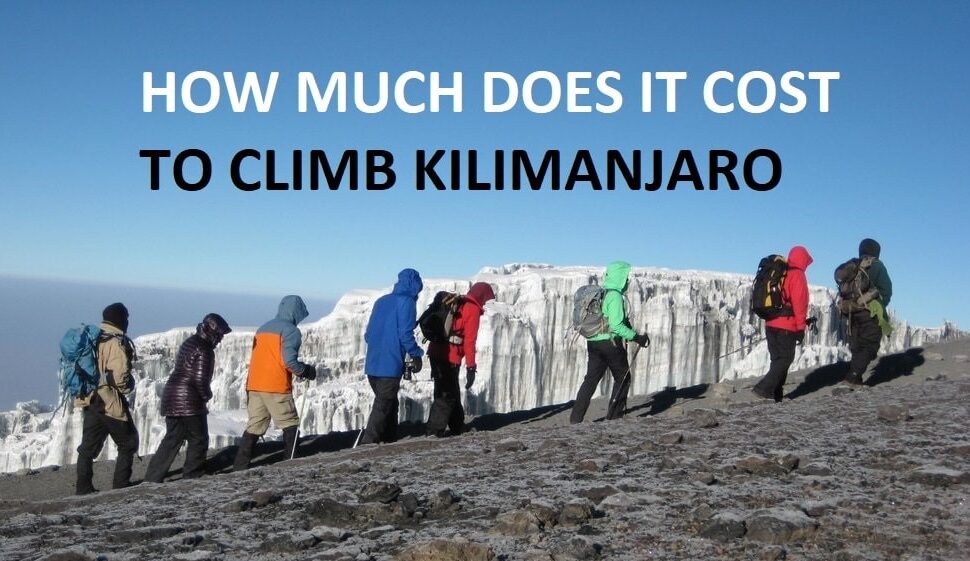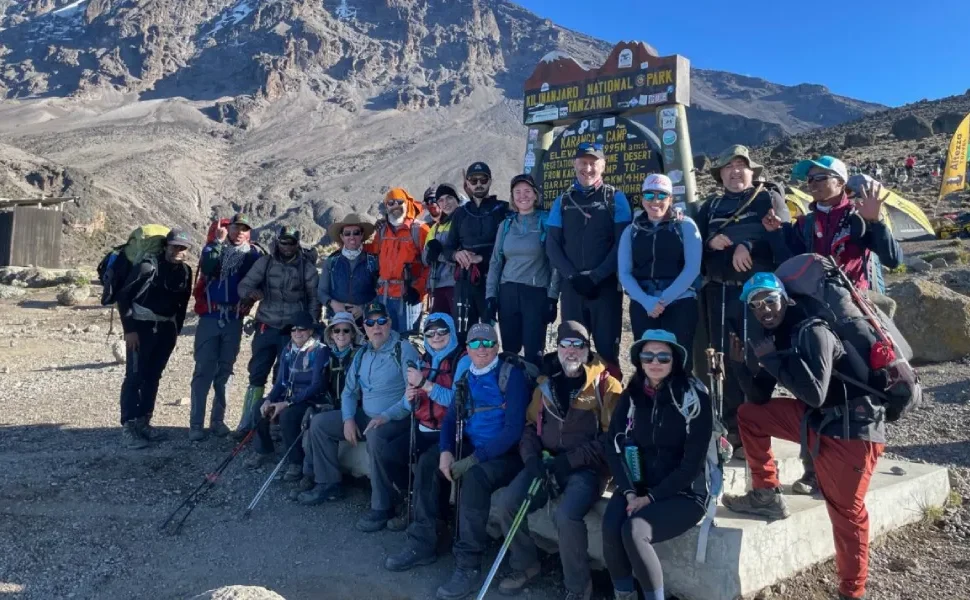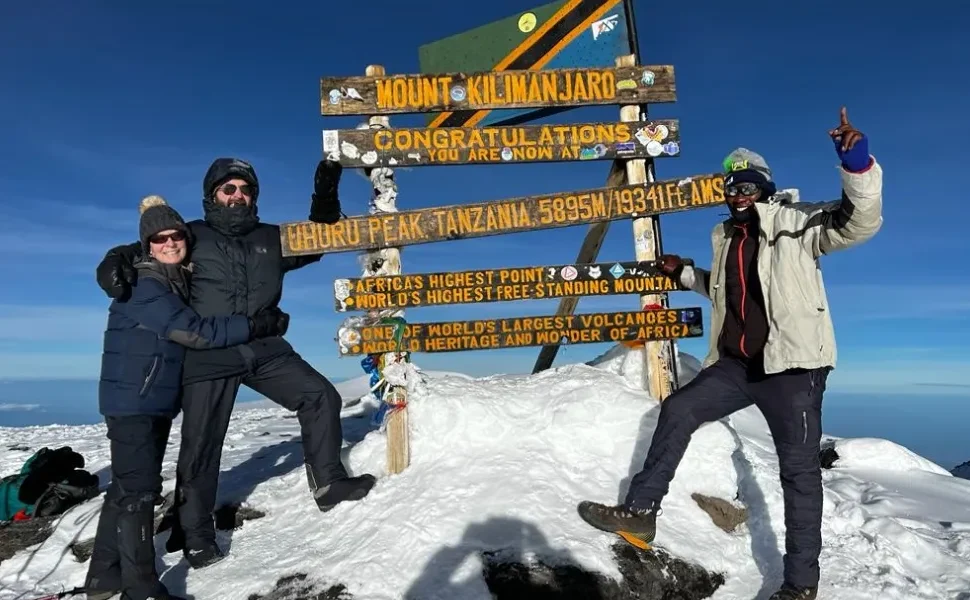

Climbing Mount Kilimanjaro is one of the most iconic adventures in Africa. At 5,895 meters (19,341 feet), it is the tallest free-standing mountain on the continent. Many first-time trekkers wonder: “Can beginners climb Mount Kilimanjaro?” The answer is yes, with the right preparation, route choice, and professional guidance.
Tanzania Hiking has created this 2026 guide for beginner climbers to help you understand what to expect and how to succeed on your Kilimanjaro trek.
Kilimanjaro Is Not a Technical Climb
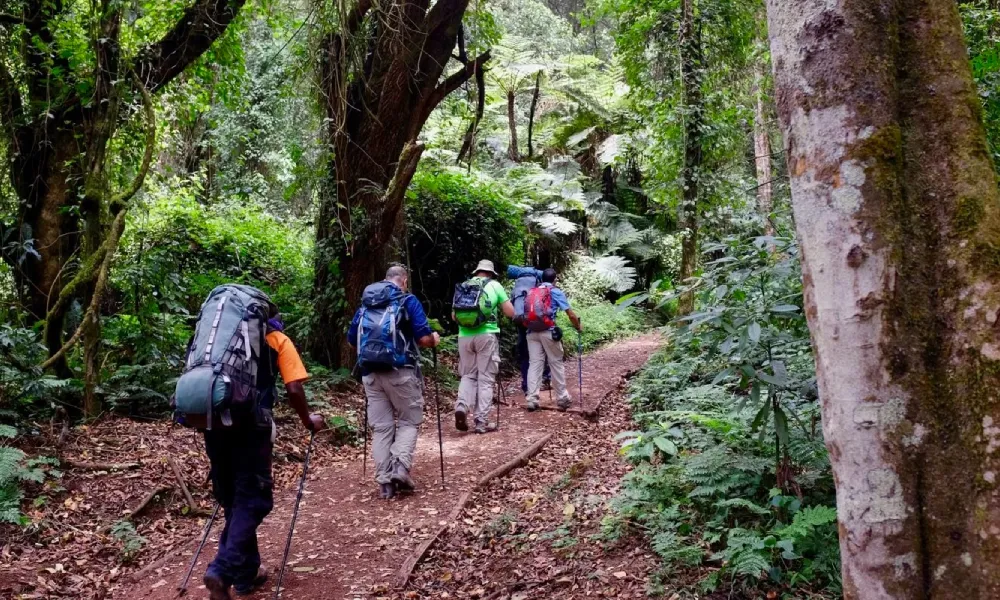
Unlike mountains that require ropes, ice axes, or mountaineering experience, Kilimanjaro is a trekking peak. The trails are mostly well-marked, and climbers walk rather than climb technical sections.
However, the main challenges for beginners include:
- High altitude: Oxygen levels decrease significantly as you ascend.
- Long trekking days: Expect 4–7 hours of walking daily, plus the long summit night.
- Cold temperatures: Summit nights can drop to -10°C to -20°C.
- Endurance and mental strength: Walking long distances over several days requires stamina and determination.
With preparation and the right support, beginners can successfully reach Uhuru Peak.
Tips for Beginners Climbing Kilimanjaro
1. Choose the Right Route
Longer routes allow better acclimatization and increase summit success. Recommended routes for beginners:
- Lemosho Route (7–8 days): Excellent acclimatization and scenery.
- Machame Route (7 days): Popular and scenic with manageable challenge.
- Rongai Route (6–7 days): Quieter trail, gradual ascent.
Tip: Avoid shorter 5-day routes if you are a beginner, as they increase the risk of altitude sickness.
2. Prepare Physically
Even though technical skills are not required, good fitness is important. Focus on:
- Cardiovascular exercises: running, cycling, or brisk walking
- Hiking with a backpack to simulate trail conditions
- Leg strength: squats, lunges, stair climbing
- Endurance: long weekend hikes
Training 8–12 weeks in advance greatly improves comfort and success rate.
3. Take Acclimatization Seriously
Altitude sickness is the main reason beginners struggle on Kilimanjaro. To prevent it:
- Walk slowly (“pole pole”) and pace yourself
- Drink 3–4 liters of water daily
- Sleep lower than you climb whenever possible
- Consider medication like acetazolamide (Diamox) after consulting a doctor
4. Trust Professional Guides
Professional guides monitor your health, advise on pacing, and ensure safety. Tanzania Hiking guides:
- Track oxygen levels daily
- Adjust itinerary if necessary for acclimatization
- Carry oxygen and first aid equipment
- Provide encouragement and support for beginners
5. Pack Smart
Beginners often overpack or bring the wrong gear. Essentials include:
- Layered clothing for all climate zones
- Sturdy hiking boots
- Sleeping bag rated for -10°C to -20°C
- Trekking poles, headlamp, sunglasses, sunscreen
Beginner-Friendly Routes and Summit Success
| Route | Duration | Success Rate for Beginners | Notes |
|---|---|---|---|
| Lemosho | 7–8 days | Very High | Excellent acclimatization and scenic variety |
| Machame | 7 days | High | Popular route, rewarding but busier |
| Rongai | 6–7 days | Good | Quieter, gradual ascent |
| Marangu | 6 days | Moderate | Hut accommodation, shorter ascent, lower success rate |
Tip: Longer itineraries significantly increase summit success for beginners.
Climb Kilimanjaro Safely with Tanzania Hiking
At Tanzania Hiking, we specialize in helping beginners climb Kilimanjaro safely and successfully. Our services include:
- Expert guides and trained support crew
- Daily monitoring of health and acclimatization
- High-quality camping equipment and nutritious meals
- Ethical treatment and fair wages for porters
- Email: info@tanzaniahiking.com
- WhatsApp: +255 752213715 / +255754557877
Request a Quote for Your Kilimanjaro Climb
Fill out the form below to request a personalized 2026 Kilimanjaro quote. Share your preferred route, travel dates, and group size. Our team will respond quickly with detailed itineraries, pricing, and advice tailored for beginner climbers.