
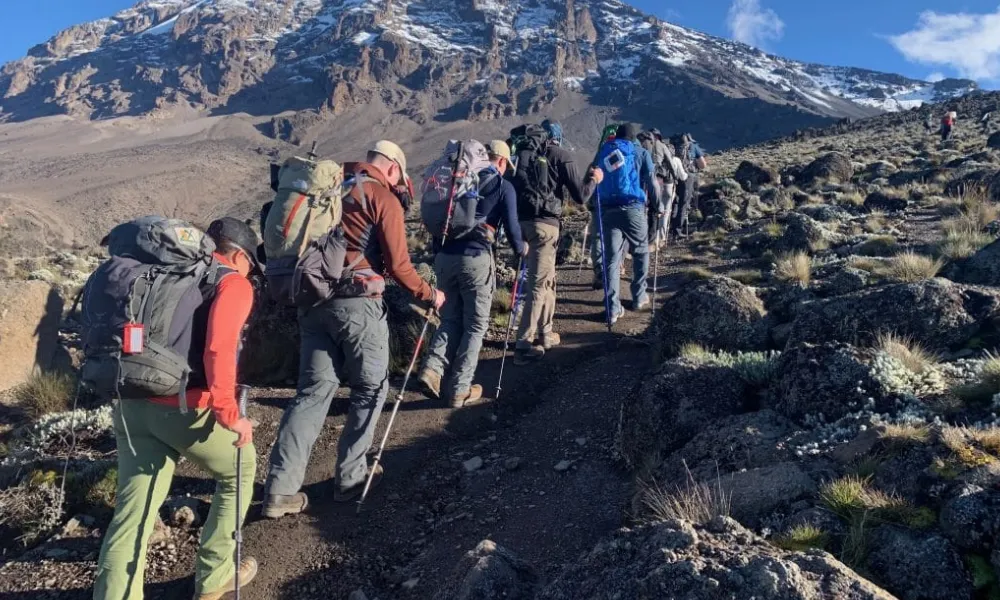
Climbing Mount Kilimanjaro is a dream for many adventurers. As the highest mountain in Africa at 5,895 meters (19,341 feet), it attracts thousands of trekkers every year. But one of the most common questions we receive at Tanzania Hiking is: How hard is it to climb Mount Kilimanjaro?
The short answer is: it is challenging, but achievable with the right preparation, mindset, and support team. In this complete guide, we explain what makes Kilimanjaro difficult and how you can successfully reach Uhuru Peak.
Is Mount Kilimanjaro Difficult to Climb?
Technically, Mount Kilimanjaro is not a technical climb. You do not need ropes, ice axes, or advanced mountaineering skills. It is a trekking peak, meaning you walk to the summit.
However, the real challenge comes from:
- High altitude
- Long trekking days
- Cold summit temperatures
- Physical and mental endurance
Most climbers say the altitude is the hardest part, not the walking itself.
The Biggest Challenge: Altitude
Altitude is the main reason some climbers fail to reach the summit. As you climb higher, oxygen levels decrease. At the summit, there is nearly 50% less oxygen than at sea level.
Common symptoms of altitude sickness include:
- Headache
- Nausea
- Dizziness
- Fatigue
- Loss of appetite
The key to success is proper acclimatization. Choosing a longer route (7–8 days) significantly increases your summit success rate. At Tanzania Hiking, our guides follow the “pole pole” (slowly, slowly) principle to help your body adjust naturally.
Physical Fitness: Do You Need to Be an Athlete?
You do not need to be an elite athlete to climb Kilimanjaro. However, you must be in good physical condition.
You should be comfortable with:
- Hiking 6–8 hours per day
- Walking uphill for several days in a row
- Carrying a light daypack
Training should begin at least 8–12 weeks before your climb. Focus on cardio workouts, long hikes, stair climbing, and strength training for your legs.
Consistency matters more than intensity. Gradually increase your endurance over time.
Summit Night: The Toughest Part
Almost every climber agrees that summit night is the hardest section of the trek.
You begin around midnight in freezing temperatures. The climb to Uhuru Peak takes 6–8 hours in darkness, often in snow or strong wind. Fatigue builds up quickly due to the altitude and lack of sleep.
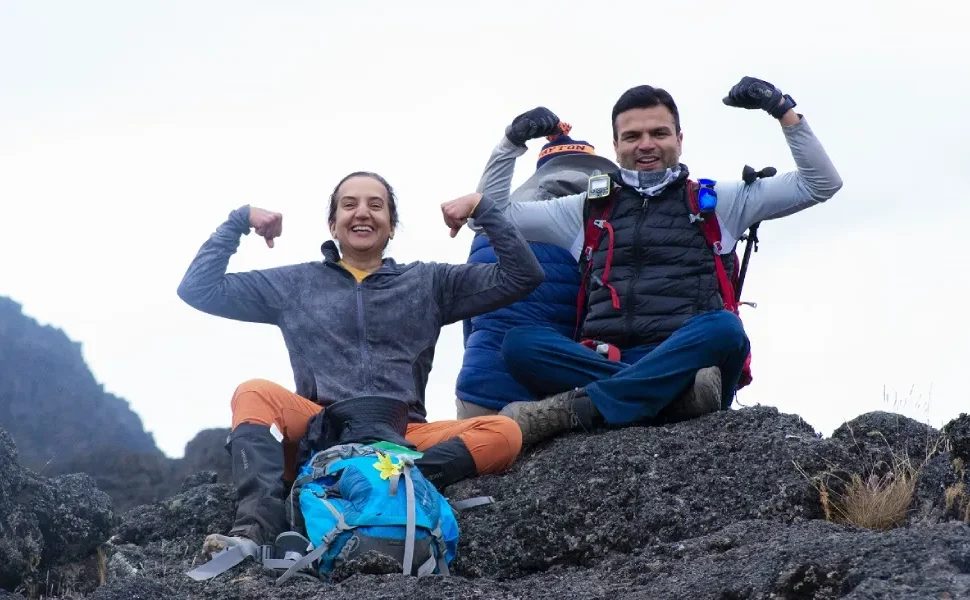
However, once the sun rises over Africa and you stand at the Roof of Africa, every step becomes worth it. The emotional reward is unforgettable.
Mental Strength Is Just as Important
Climbing Mount Kilimanjaro is as much a mental challenge as a physical one.
There will be moments when you feel tired or uncomfortable. Staying positive, listening to your guide, and focusing on one step at a time makes a huge difference.
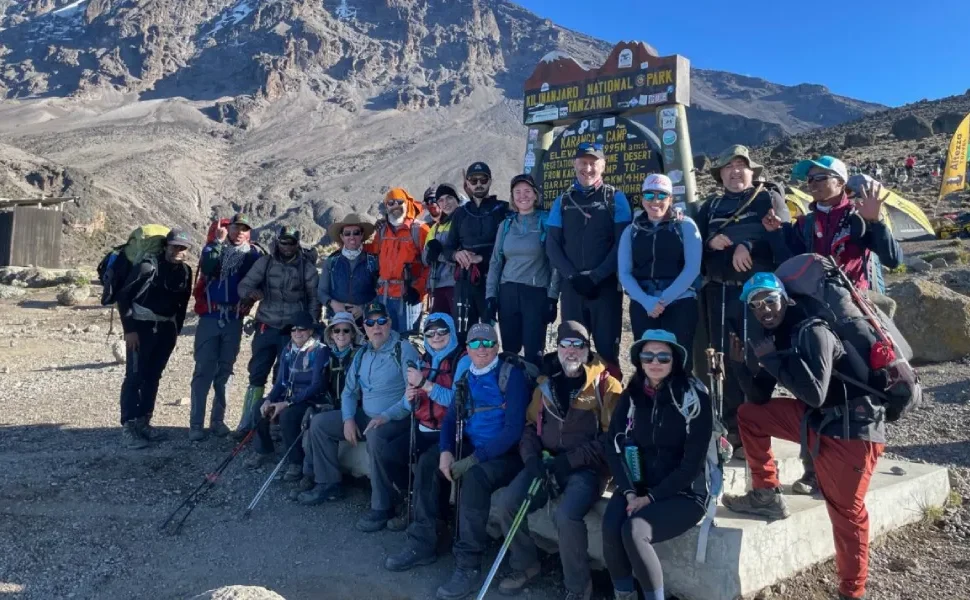
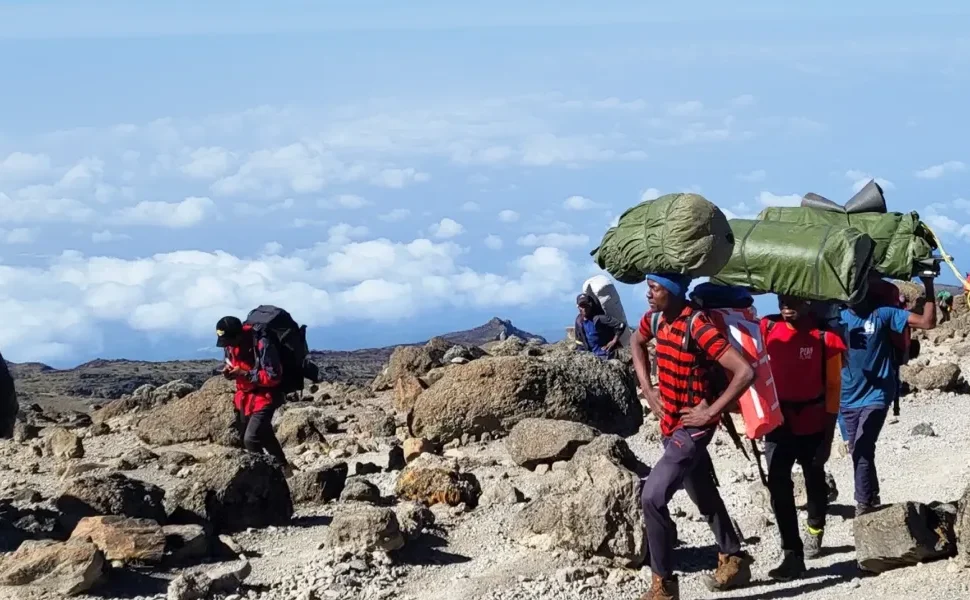
Our experienced mountain guides at Tanzania Hiking provide constant encouragement and monitor your health daily. A strong support team significantly improves your confidence and success rate.
Which Route Is the Easiest?
If you are worried about difficulty, choose a route with better acclimatization.
Best routes for higher success rates:
- Lemosho Route (7–8 days)
- Machame Route (7 days)
- Rongai Route (7 days)
Shorter routes like the 5-day Marangu Route are more challenging because they allow less time for acclimatization.
Longer itineraries are always safer and increase your chance of reaching the summit.
Weather and Temperature Conditions
Another factor that makes Kilimanjaro challenging is the dramatic change in climate.
You will experience:
- Warm tropical weather at the base
- Cool moorlands
- Alpine desert conditions
- Freezing summit temperatures (-10°C to -20°C)
Proper layering and high-quality gear are essential. Packing correctly makes the climb much more comfortable.
What Is the Success Rate?
Success rates vary depending on the route and number of days. Climbers who choose 7–8 day itineraries have a much higher success rate compared to shorter climbs.
With professional guides, proper pacing, and good preparation, most determined trekkers successfully reach Uhuru Peak.
So, How Hard Is It Really?
Mount Kilimanjaro is challenging but absolutely achievable for most healthy and determined people.
It is not a technical climb. However, altitude, endurance, and mental resilience make it demanding. With the right training, proper acclimatization, and a professional support team, you can stand on Africa’s highest point.
Climb Kilimanjaro With Tanzania Hiking
At Tanzania Hiking, we specialize in safe, ethical, and successful Kilimanjaro climbs. Our experienced guides monitor your health daily and ensure proper acclimatization throughout your journey.
We offer:
- Carefully designed itineraries
- Professional mountain crew
- High-quality equipment
- Ethical porter treatment
- Flexible 2026 bookings
Ready to take on the challenge?
- Email: info@tanzaniahiking.com
- WhatsApp: +255 752213715 / +255754557877
Request a Quote for Your Kilimanjaro Adventure
Fill out the form below to request a personalized quote. Tell us your preferred dates, route choice, and group size. Our team will respond quickly with detailed pricing and expert advice.