
Which Kilimanjaro Route Do We Recommend?
Choosing the Best Kilimanjaro Route
Which Kilimanjaro Route Do We Recommend?
Choosing the best route to climb Mount Kilimanjaro depends on your goals, fitness level, budget, and available time. While there is no single “perfect” route for everyone, the Lemosho Route consistently stands out as the top choice for most climbers.
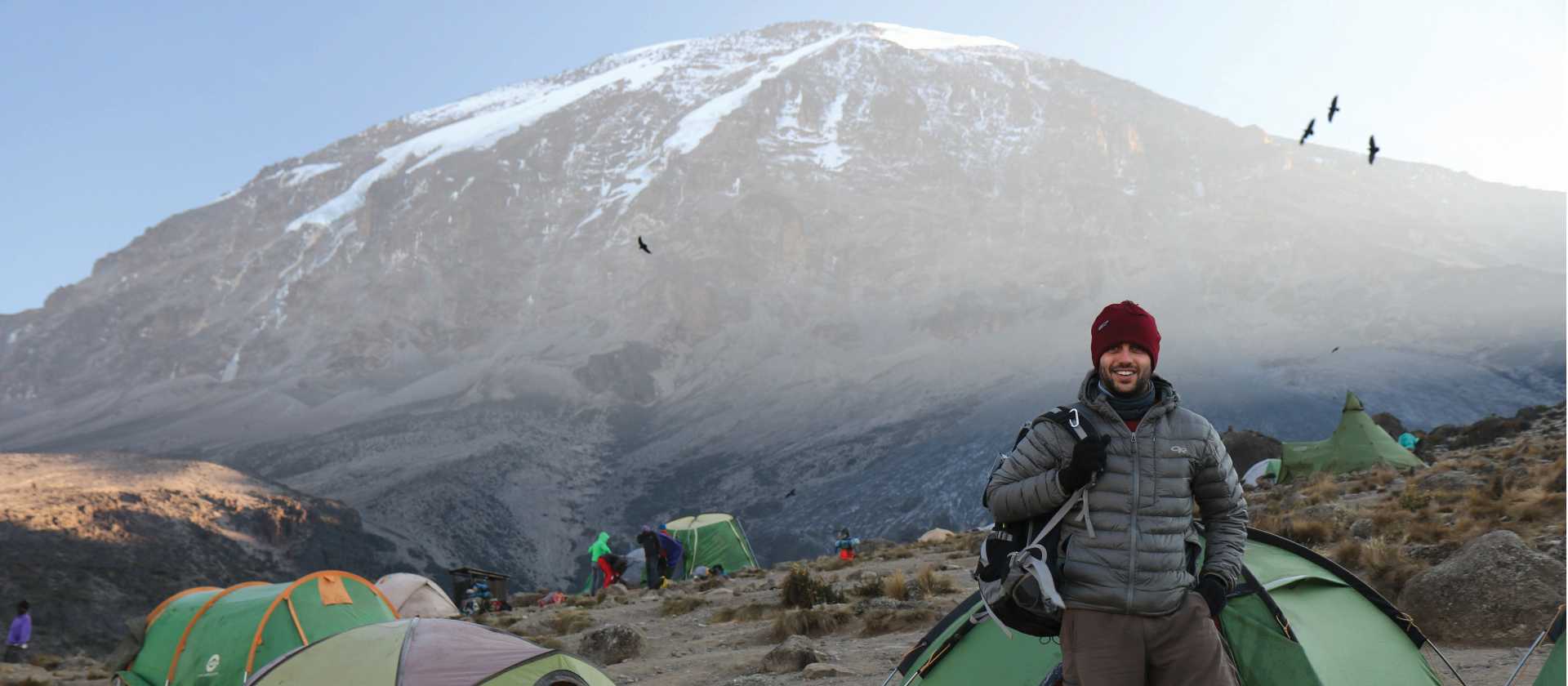
The Lemosho Route is widely regarded as the most scenic route on Mount Kilimanjaro, offering breathtaking landscapes, panoramic views, and a true wilderness experience. It approaches the mountain from the western side, features low traffic compared to other routes, and provides excellent acclimatization. Thanks to its longer duration and gradual ascent, Lemosho also delivers a high summit success rate, making it our top recommendation at Tanzania Hiking.
That said, the best Kilimanjaro route is ultimately the one that matches your personal needs and expectations.
Key Factors to Consider When Choosing a Kilimanjaro Route
Before selecting your route, consider the following important factors to ensure a safe, enjoyable, and successful climb.
1. Best Time of Year
The best time to climb Kilimanjaro is during the dry and warmer months. If you plan to climb during the rainy season, the Rongai Route is a strong alternative as it follows the drier northern slopes of the mountain.
2. Route Length and Acclimatization
Longer routes allow more time for acclimatization, which significantly increases your chances of reaching the summit. Routes lasting 7–9 days are strongly recommended, especially for first-time climbers.
3. Cost and Budget
Longer routes cost more due to additional park fees, crew wages, food, and logistics. However, the higher cost often translates into a better experience and a higher summit success rate.
4. Crowd Levels
Climbing during peak seasons means more traffic on popular routes like Machame and Marangu. If you prefer privacy and a quieter trek, consider routes such as Lemosho, Rongai, or the Northern Circuit.
5. Scenery
While all routes offer incredible views, longer and western routes tend to be more scenic. Lemosho, Northern Circuit, and Shira provide diverse landscapes and expansive mountain vistas.
6. Accommodation Style
Most routes use camping with tents. The Marangu Route is the only route that offers hut accommodation with dormitory-style cabins.
7. Route Difficulty
Some routes are steeper and more demanding. The summit night and descent are physically challenging, especially the rapid drop from 19,340 feet to around 9,000 feet. Proper preparation and training are essential.
8. Gear and Preparation
Bring appropriate clothing, broken-in hiking boots, and high-quality gear to stay warm, dry, and comfortable throughout the climb.
Important Questions to Ask Before Choosing a Route
Who Is Climbing?
Consider the age, fitness level, altitude experience, and overall health of everyone in your group. Routes should match the group’s weakest member to maximize success.
What Are Your Limitations?
Are you limited by time or budget? Shorter routes are cheaper but come with lower success rates. Longer routes cost more but significantly improve acclimatization.
How Do You Want to Climb?
Do you prefer an easier route, a moderate challenge, or a demanding adventure? Are you climbing privately, solo, or joining a group?
Where Will You Start?
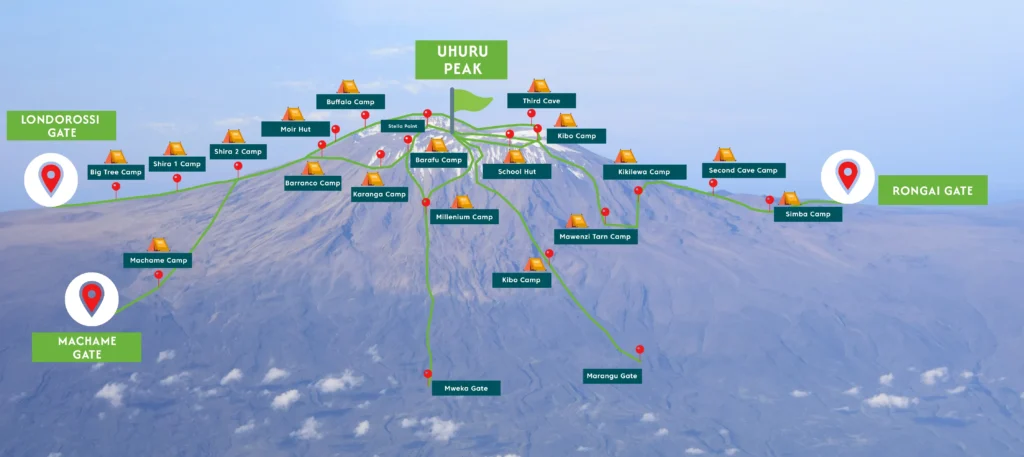
Kilimanjaro routes begin on different sides of the mountain. Western routes are more scenic, while northern routes are drier year-round.
Why Are You Climbing?
If your main goal is reaching the summit, choose a longer route with a higher success rate. If photography and scenery matter most, opt for a scenic western route. For peace and quiet, avoid crowded trails.
When Are You Climbing?
Peak seasons bring crowds, especially during full moons and holidays. During the rainy season, drier routes like Rongai are preferable.
Route Success Rates (Approximate)
- Marangu Route: ~40%
- Machame Route: ~45%
- Lemosho / Rongai / Northern Circuit: ~64%–80% (depending on duration)
- Shira & Umbwe Routes: ~27%–44%
Choosing the wrong route can increase the risk of altitude sickness, exhaustion, or injury. Selecting the right route greatly improves your chances of a safe and successful climb.
Kilimanjaro Routes Overview
Cost: $ = Low | $$ = Mid | $$$ = High | $$$$ = Very High
Difficulty: ^ = Low | ^^ = Moderate | ^^^ = High | ^^^^ = Very High
| Route | Description | Distance | Days |
|---|---|---|---|
| Marangu | Gradual trail, hut accommodation, same ascent and descent route, limited acclimatization | 72 km | 5–6 |
| Machame | Scenic southern route, camping, good acclimatization | 62 km | 6–7 |
| Rongai | Remote northern route, drier climate, gradual ascent | 73 km | 6–7 |
| Lemosho | Quiet western route, highly scenic, excellent acclimatization | 70 km | 7–8 |
| Shira | High starting altitude, scenic but challenging | 56 km | 7–8 |
| Northern Circuit | Longest route, 360° views, best acclimatization | 98 km | 9 |
| Umbwe | Steep and direct, poor acclimatization, very challenging | 53 km | 5–6 |
Final Thoughts: Picking the Best Route Is Personal
There is no single “best” route for everyone. The ideal Kilimanjaro route depends on your experience, fitness, goals, budget, and time. Longer, less crowded routes consistently offer better acclimatization and higher summit success rates.
At Tanzania Hiking, we help you choose the route that best fits your needs and maximize your chances of reaching Uhuru Peak safely.
📩 Contact us today for a free quote and personalized route recommendation.