

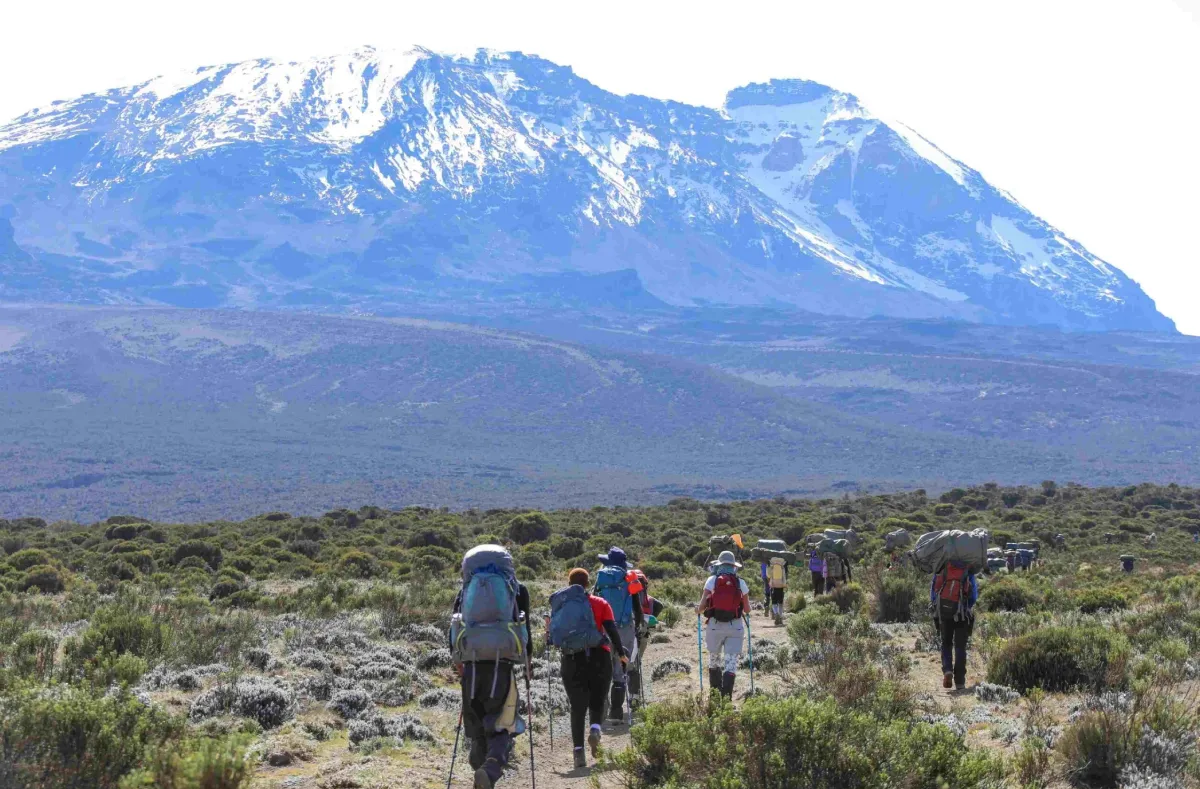
Worst Time to Climb Mount Kilimanjaro: When to Avoid the Mountain
Mount Kilimanjaro is a year-round trekking destination, but some months present more challenges than others. Understanding the worst time to climb Kilimanjaro can save climbers from difficult weather, muddy trails, and reduced summit success. While the mountain is accessible year-round, timing your trek carefully ensures a safer and more enjoyable experience.
Why Timing Matters
Kilimanjaro’s climate varies dramatically with altitude, from tropical rainforest at the base to arctic conditions at the summit. Weather patterns, rainfall, and trail conditions can significantly impact your climb. Choosing the wrong month increases risks of:
- Muddy and slippery trails
- Limited visibility
- Increased fatigue due to harsh conditions
- Lower summit success rates
The Long Rainy Season: March to May
The long rainy season is considered the worst period to climb Mount Kilimanjaro. April is typically the wettest month, with heavy rainfall across the lower and middle slopes.
Challenges During the Long Rainy Season
- Slippery Trails: Mud makes trekking more difficult, especially on forested sections.
- Reduced Visibility: Thick clouds and rainfall obscure summit views, limiting photography opportunities.
- Damp Campsites: Rain can make overnight camping uncomfortable.
- Lower Summit Success: Wet conditions increase fatigue and make the ascent more challenging.
Despite these challenges, climbs are still possible. Experienced hikers who are well-prepared can attempt the mountain during this period, but it is generally recommended only for those seeking adventure in quieter conditions.
Short Rainy Season: November
The short rainy season in November also presents challenges, though less intense than the long rains. Afternoon showers are common, and clouds often reduce visibility. Trails may be slippery, and weather can be unpredictable, making planning more difficult.
Key Considerations for November Climbers
- Expect intermittent rain and cloud cover
- Be prepared for muddy sections on some routes
- Summit views may be limited
- Fewer crowds can be an advantage for some experienced trekkers
Months with Best Conditions vs Worst
- Best Months: January to March and June to October (dry seasons, stable weather, excellent visibility)
- Worst Months: April, May, and November (rainy seasons, slippery trails, reduced summit views)
How to Minimize Risk During the Worst Months
If you must climb during rainy periods, consider these strategies:
- Choose drier routes: Rongai and Northern Circuit are often less affected by rain.
- Use waterproof gear: Jackets, pants, boots, and dry bags are essential.
- Plan longer itineraries: More days allow for acclimatization and flexibility in case of weather delays.
- Climb with experienced guides: Professional guides can navigate wet trails and adjust schedules for safety.
Plan Your Kilimanjaro Climb with Tanzania Hiking
At Tanzania Hiking, we help climbers choose the right time and route for their abilities and goals. Our guides provide expert advice on weather, trail conditions, and summit planning to maximize your chances of a successful climb, even during challenging months.
For bookings and inquiries, contact
- info@tanzaniahiking.com
- WhatsApp +255 752213715 / +255 754557877.
Request a Quote for Your Kilimanjaro Adventure
Below this page, you’ll find a request-a-quote form. Submit your preferred travel dates, route, and group size, and our team will create a personalized itinerary with detailed pricing.


