

Tanzania Hiking Guide: Why Kilimanjaro Climbs Are Expensive
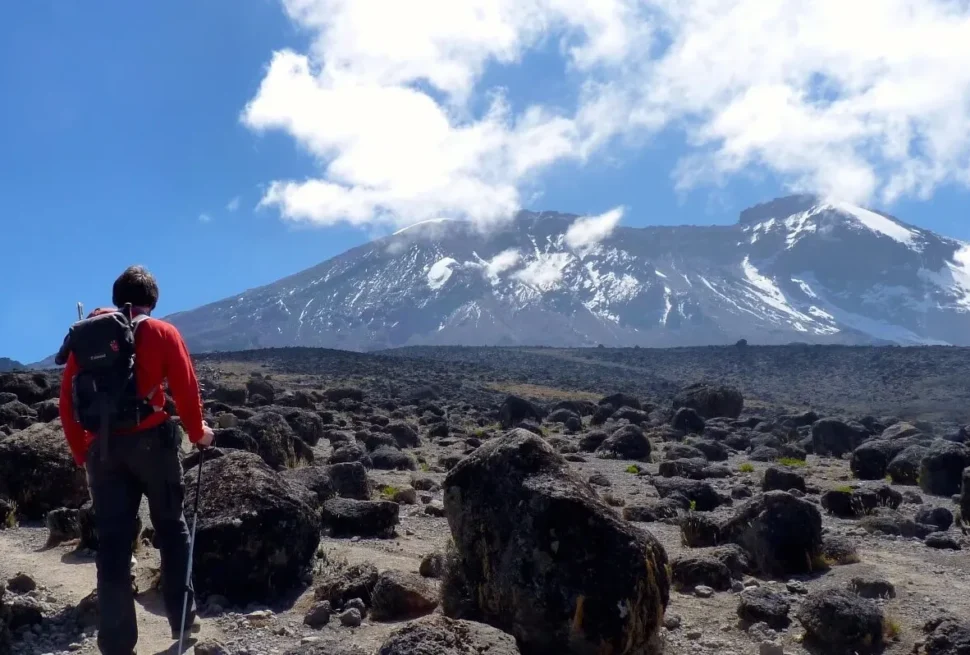
Climbing Mount Kilimanjaro is one of the most sought-after hiking adventures in Tanzania. As the highest mountain in Africa at 5,895 meters, it attracts thousands of hikers every year. Many travelers are surprised by the cost of a Kilimanjaro climb, which can range from a few thousand to several thousand dollars per person. Understanding why Kilimanjaro climbs are expensive helps hikers plan effectively and appreciate the value behind the cost.
Mandatory Park Fees and Permits
One of the main factors contributing to the cost of climbing Kilimanjaro is the park fees and permits required by the Tanzania National Parks Authority. Every climber must pay daily conservation fees, accommodation fees at camps or huts, and a rescue or emergency fee. These fees cover maintenance of trails and campsites, conservation efforts, and emergency services in case of altitude sickness or injury. Park fees are non-negotiable and form a significant portion of the total climb cost.
Professional Guide and Support Team
A successful Kilimanjaro climb relies on a professional team of guides, assistant guides, cooks, and porters. Hiring certified guides and sufficient staff is mandatory for safety and legal compliance. The support team sets up camps, cooks meals, carries heavy equipment, and ensures that climbers stay safe and hydrated throughout the trek. Paying fair wages to this team is essential, which increases the overall cost of the climb.
Meals and Quality Equipment
Climbers rely on the operator to provide nutritious meals, tents, sleeping mats, and cooking equipment. High-quality food, especially at high altitude, is necessary to maintain energy and prevent illness. Durable tents, reliable sleeping mats, and other equipment are also essential for comfort and safety. Providing proper equipment for multiple climbers and staff adds significantly to the cost of the climb.
Logistics and Transportation
Organizing transportation, transfers, and accommodations before and after the climb is another factor that contributes to expenses. Many climbing operators include transfers from the airport or hotels to the trailhead, as well as pre-climb and post-climb accommodations. Planning and coordinating these logistics for multiple climbers requires time, resources, and staff, which are reflected in the price.
Duration and Acclimatization
Longer Kilimanjaro itineraries that improve acclimatization are generally more expensive. Routes that take seven, eight, or nine days provide gradual altitude gain, increasing the likelihood of reaching the summit safely. These extended itineraries require more food, staff support, camping equipment, and park fees, which increases the total cost. Shorter itineraries may be cheaper but reduce acclimatization time, making them riskier.
Ethical Considerations and Tipping
Climbing Kilimanjaro responsibly also adds to the cost. Ethical operators pay fair wages to porters, provide them with adequate food, and ensure proper safety measures. Tipping guides and porters is customary and forms part of a climber’s budget. Responsible practices that prioritize the welfare of staff contribute to a higher price but ensure a more sustainable and ethical climbing experience.
Other Contributing Factors
Additional factors that influence the cost of a Kilimanjaro climb include the level of service, group size, and optional services such as medical support, private tents, and personalized itineraries. Luxury climbs with smaller groups and enhanced services are significantly more expensive than standard group climbs. Even budget climbs must meet minimum safety and staffing requirements, which explains why very low-cost options are rare.
Final Thoughts
Kilimanjaro climbs are expensive because they involve mandatory park fees, professional guide teams, quality meals and equipment, logistics, and ethical support for staff. The cost ensures safety, sustainability, and a higher chance of reaching the summit. Understanding the reasons behind the expense helps hikers appreciate the value of the climb and plan a Tanzania hiking adventure that is both safe and memorable.
Reaching the top of Africa’s highest peak is a life-changing experience, and the investment in a well-organized climb guarantees proper support, safety, and an unforgettable journey.