

Where Is Mount Kilimanjaro Located
Mount Kilimanjaro is one of the most famous mountains in the world, but many travelers still ask a simple question before planning their adventure: where exactly is Mount Kilimanjaro located? Understanding its location helps climbers plan travel, choose the best routes, and prepare for the unique landscapes found on Africa’s highest peak.
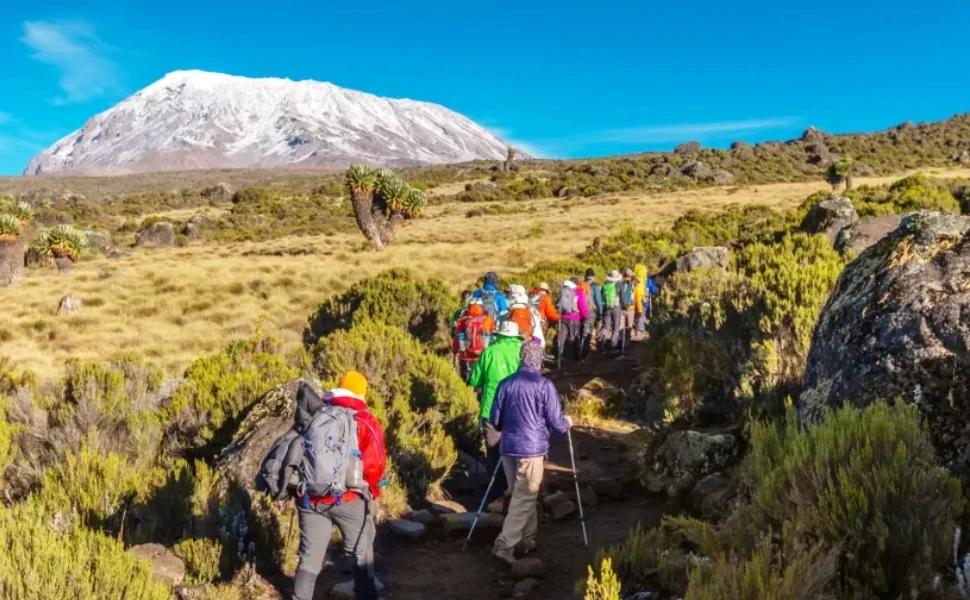
Mount Kilimanjaro is located in northeastern Tanzania, close to the border with Kenya. It rises dramatically from the surrounding plains and stands as the highest mountain in Africa and the tallest free-standing mountain in the world.
Mount Kilimanjaro’s Location in Tanzania
Mount Kilimanjaro lies within Kilimanjaro National Park in the Kilimanjaro Region of Tanzania. The mountain sits approximately 330 kilometers north of Dar es Salaam and about 70 kilometers east of Arusha, Tanzania’s main safari hub.
The closest town to the mountain is Moshi, which serves as the main base for climbers. Most Kilimanjaro trekking itineraries start or end in Moshi, where climbers attend briefings, organize gear, and rest before or after the climb. The mountain is easily accessible by road from Arusha and Kilimanjaro International Airport, making it a convenient destination for both local and international travelers.
Mount Kilimanjaro and the Kenya Border
Mount Kilimanjaro is located only a few kilometers south of the Kenya–Tanzania border. Because of this, the mountain is visible from parts of southern Kenya, including Amboseli National Park. While the best views are often from the Kenyan side, all official climbing routes are located in Tanzania.
Despite its proximity to Kenya, Mount Kilimanjaro is entirely within Tanzanian territory, and all climbs are regulated by Tanzanian authorities through Kilimanjaro National Park.
Geographic Features Around Mount Kilimanjaro
Mount Kilimanjaro rises from the East African Rift system and dominates the surrounding savannah landscape. The mountain consists of three volcanic cones: Kibo, Mawenzi, and Shira. Uhuru Peak, the highest point, sits on Kibo at 5,895 meters above sea level.
Its location near the equator gives Kilimanjaro a unique climate. Climbers pass through several ecological zones, including cultivated farmland, rainforest, heath and moorland, alpine desert, and finally the arctic summit zone. This dramatic change in scenery is one of the reasons Mount Kilimanjaro is such a popular hiking destination.
Why Mount Kilimanjaro’s Location Matters for Climbers
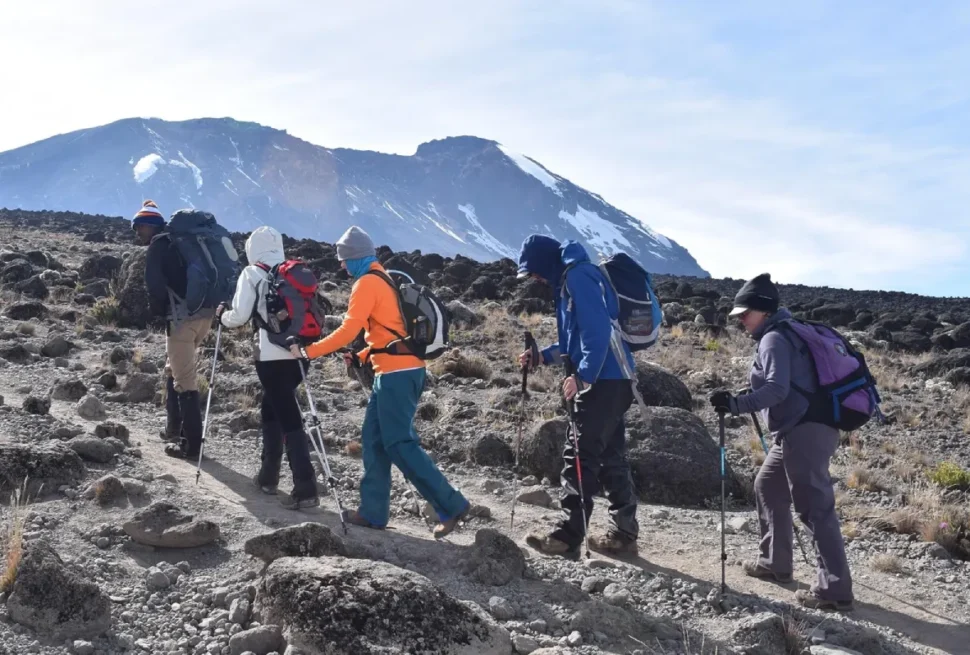
Knowing where Mount Kilimanjaro is located helps hikers prepare properly for the climb. Its equatorial position means weather can change quickly, and temperatures vary significantly with altitude. While the base of the mountain can be warm and humid, the summit is often below freezing.
The mountain’s location also influences the best time to climb. The dry seasons, typically from January to March and June to October. Are the most popular periods for trekking due to clearer weather and better trail conditions.
How to Get to Mount Kilimanjaro
Most climbers arrive via Kilimanjaro International Airport, which is located between Moshi and Arusha. From there, Tanzania Hiking arranges private transfers to your hotel and the starting gate of your chosen route. The mountain’s location near major tourism centers makes it easy to combine a Kilimanjaro climb with a safari or Zanzibar beach holiday.
Plan Your Kilimanjaro Climb with Tanzania Hiking
Now that you know where Mount Kilimanjaro is located. The next step is planning your climb with a trusted local operator. Tanzania Hiking offers professionally guided Kilimanjaro treks on all major routes. With experienced mountain guides and full support throughout your journey.
For bookings and inquiries, contact Tanzania Hiking at
- Email: info@tanzaniahiking.com
- WhatsApp +255 752213715 / +255 754557877.
You can also fill out the request a quote form below to receive a personalized Kilimanjaro climbing plan based on your preferred route, dates, and group size.