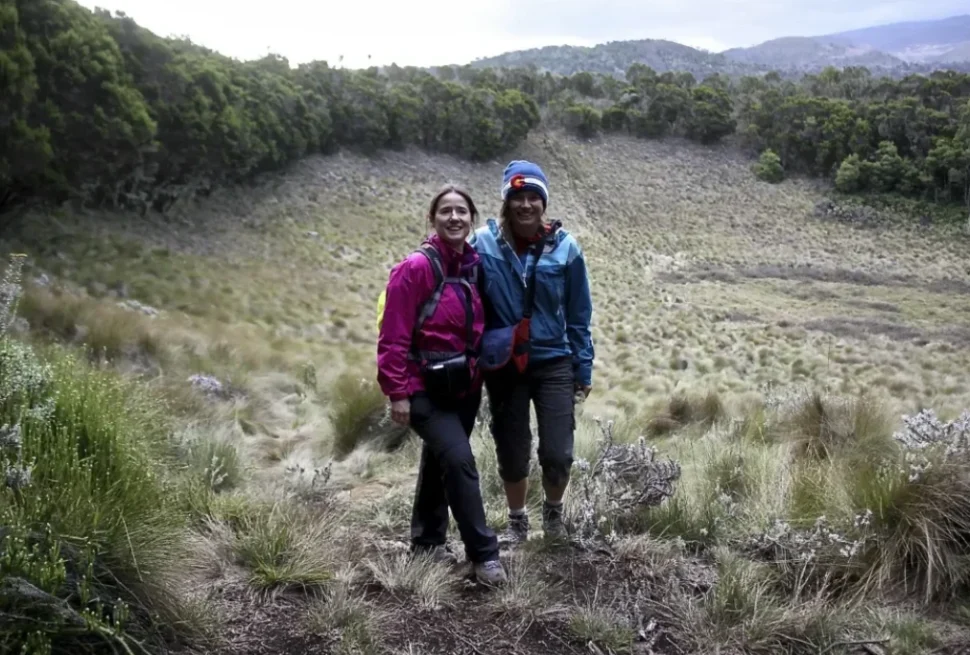


Tanzania Hiking Guide: What to Wear Climbing Mount Kilimanjaro
Choosing the right clothing for climbing Mount Kilimanjaro is one of the most important parts of trip preparation. As Africa’s highest mountain, Kilimanjaro takes hikers through several climate zones, ranging from warm rainforest to freezing alpine conditions near the summit. Wearing the correct clothing keeps you comfortable, protected, and better prepared to handle altitude, wind, rain, and cold temperatures. This guide explains what to wear on Mount Kilimanjaro and how to layer properly for a successful Tanzania hiking experience.
Understanding Kilimanjaro Climate Zones
Mount Kilimanjaro has five main climate zones, and each presents different clothing needs. Lower slopes are warm and humid, while higher elevations are cold and dry. Summit night temperatures can drop well below freezing, even in the dry season. Because of these changes, climbers must rely on a flexible layering system rather than single heavy garments. Proper layering allows hikers to adjust easily as conditions change throughout the day.
The Importance of Layering
Layering is the most effective way to dress for a Kilimanjaro climb. Instead of wearing one thick layer, climbers use multiple layers that can be added or removed as needed. A good layering system helps regulate body temperature, manage moisture, and protect against wind and rain. The three main layers are the base layer, insulation layer, and outer layer.
Base Layers for Moisture Control
Base layers sit directly against the skin and play a crucial role in keeping the body dry. During long hiking days, sweating is unavoidable, and wet clothing can lead to chilling at higher altitudes.
Climbers should wear moisture-wicking base layers made from synthetic materials or merino wool. These fabrics pull sweat away from the skin and dry quickly. Cotton should be avoided because it retains moisture and increases the risk of cold exposure. Both long-sleeve tops and thermal leggings are recommended for colder sections of the climb.
Insulation Layers for Warmth
Insulation layers help retain body heat, especially in cold and windy conditions. These layers are essential for evenings at camp and summit night.
Fleece jackets and insulated jackets provide warmth without excessive bulk. Down or synthetic insulated jackets are particularly important for higher camps and the final ascent. These layers should be easy to pack and remove as temperatures change throughout the day.
Outer Layers for Weather Protection
The outer layer protects climbers from wind, rain, and snow. Weather conditions on Kilimanjaro can change quickly, making this layer critical for safety.
A waterproof and windproof jacket is essential, along with waterproof pants. These garments should be breathable to prevent overheating during physical activity. Even during dry seasons, rain can occur on lower slopes, so reliable outerwear is necessary.
Hiking Pants and Trekking Clothing
Comfortable trekking clothing allows for easy movement during long hiking days. Lightweight hiking pants are ideal for lower elevations, while thermal pants are useful at higher altitudes. Convertible pants can be helpful for adjusting to temperature changes.
Avoid tight clothing that restricts movement. Breathable fabrics improve comfort and reduce irritation during extended walking.
Footwear and Socks
Footwear is one of the most important clothing-related decisions for a Kilimanjaro climb. Proper boots prevent injuries and reduce fatigue.
Waterproof hiking boots with good ankle support are recommended. Boots should be broken in well before the climb to avoid blisters. High-quality hiking socks help regulate temperature and reduce friction. Bringing multiple pairs allows climbers to change socks regularly and keep feet dry.
Head, Hands, and Accessories
Extremities are particularly vulnerable to cold at high altitude. Proper accessories help protect against heat loss.
Warm hats, sun hats, gloves, and liner gloves are essential. A neck gaiter or scarf provides protection from wind and sun. Sunglasses with strong UV protection are important due to intense sunlight at high elevations.
What to Wear on Summit Night
Summit night is the coldest and most challenging part of the climb. Temperatures can be extremely low, and climbers move slowly due to altitude.
Multiple warm layers are required, including thermal base layers, insulating mid-layers, a heavy insulated jacket, waterproof outer layers, warm gloves, and a thick hat. Proper clothing on summit night can make the difference between success and turning back.
Final Thoughts
Knowing what to wear when climbing Mount Kilimanjaro is essential for comfort, safety, and summit success. By understanding the mountain’s climate zones and using a proper layering system, climbers can adapt to changing conditions with confidence. From moisture-wicking base layers to insulated jackets and weatherproof outerwear, each clothing choice plays a vital role in the overall experience. For Tanzania hiking adventures, wearing the right clothing ensures that climbers can focus on the journey, enjoy the scenery, and safely reach the summit of Africa’s highest peak.