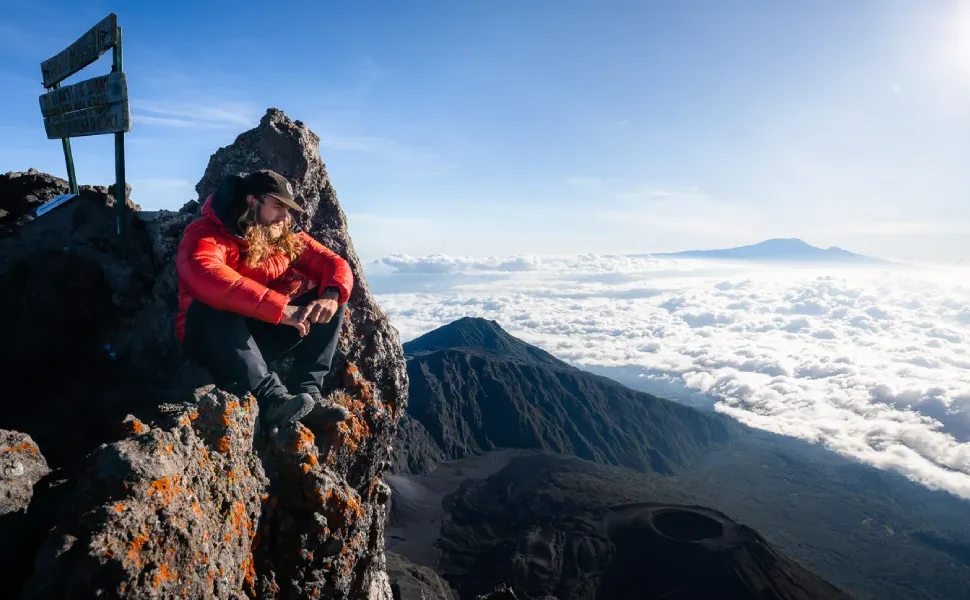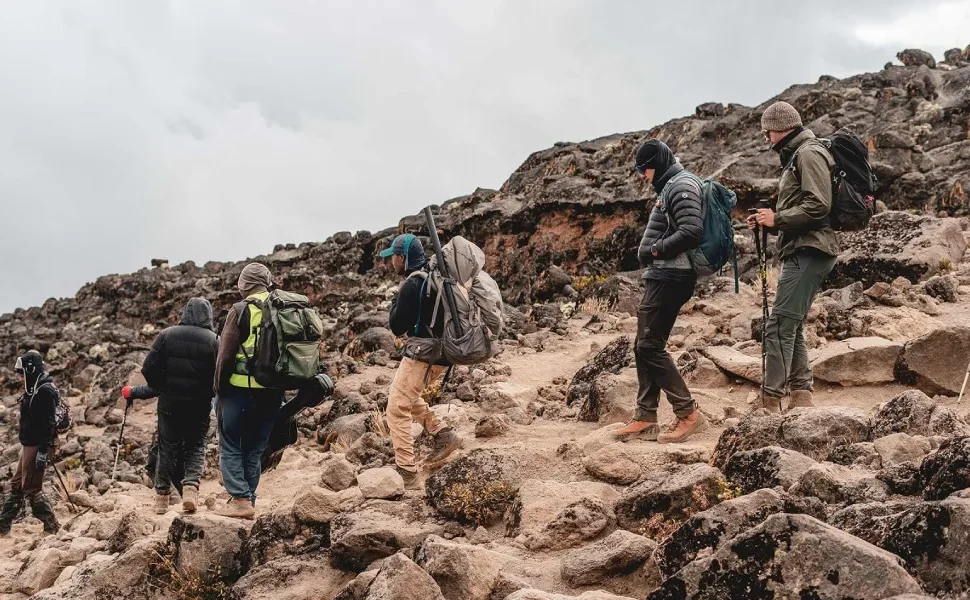

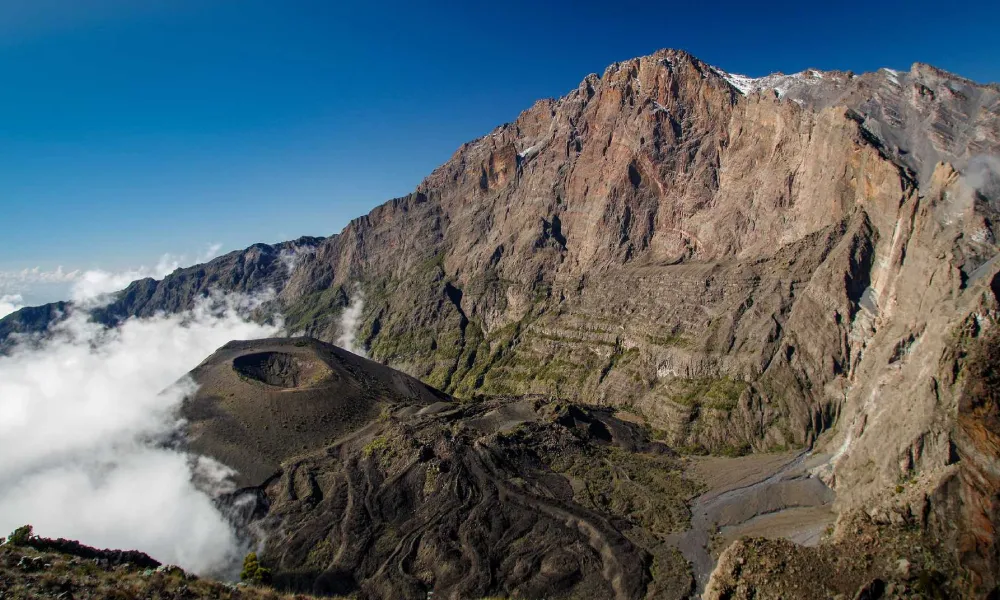
Trekking Mount Meru, Tanzania’s second-highest peak at 4,566 meters, is an adventure filled with breathtaking landscapes, diverse wildlife, and the excitement of a high-altitude climb. To plan a safe and enjoyable trek, understanding Mount Meru’s weather patterns is crucial. Weather impacts trail conditions, clothing choices, summit timing, and even wildlife encounters.
This guide explains what to expect from Mount Meru’s weather and how to plan your trek accordingly.
Understanding Mount Meru’s Climate Zones
Mount Meru’s trails pass through several climate zones, each with distinct weather characteristics:
1. Lowland Forest Zone (Momella Gate to Miriakamba Hut)
- Altitude: 1,500–2,700 meters
- Weather: Warm and humid, occasional rain
- Conditions: Dense forest, moderate temperatures, and occasional mist
- Tips: Light, breathable layers and insect repellent are essential
2. Montane Forest Zone (Miriakamba Hut to Saddle Hut)
- Altitude: 2,700–3,600 meters
- Weather: Cooler with frequent rainfall
- Conditions: Steep forest trails, muddy paths, and intermittent clouds
- Tips: Waterproof gear and hiking boots with good grip are recommended
3. Alpine and Summit Zone (Saddle Hut to Socialist Peak)
- Altitude: 3,600–4,566 meters
- Weather: Cold, windy, and variable
- Conditions: Exposed volcanic ridges, potential frost, occasional snow
- Tips: Warm layers, gloves, hat, and headlamp for summit night
Seasonal Weather Patterns
Mount Meru experiences distinct wet and dry seasons, which affect trekking conditions.
Dry Season
- Months: January–February and June–October
- Weather: Clear skies, moderate temperatures, low rainfall
- Advantages: Firmer trails, safer summit climbs, better visibility
- Recommendation: Ideal time for trekking, especially for first-time hikers
Rainy Season
- Months: March–May (long rains) and November (short rains)
- Weather: Frequent showers, cloudy skies, slippery trails
- Advantages: Lush greenery, blooming flora, fewer crowds
- Challenges: Muddy paths, potential delays, reduced summit visibility
- Recommendation: Suitable for experienced hikers with proper rain gear
Daily Weather Considerations
Weather on Mount Meru can change quickly within hours, so daily planning is essential:
- Early mornings: Cold and calm; ideal for summit attempts
- Midday: Warmer, but cloud formation may reduce visibility
- Afternoon: Higher likelihood of showers, fog, and wind
- Evenings: Temperature drops rapidly; pack warm layers for hut stays
Your guide will monitor conditions and adjust pace or timing to keep you safe.
Tips for Preparing for Mount Meru Weather
- Layer Clothing: Use moisture-wicking base layers, insulating mid-layers, and waterproof outer layers.
- Carry Rain Gear: Waterproof jackets, pants, and backpack covers are essential.
- Protect Electronics: Use dry bags for cameras, phones, and documents.
- Hydrate and Eat Well: Weather changes can increase fatigue; proper nutrition is crucial.
- Listen to Your Guide: Adjustments in schedule or pace are made based on real-time weather conditions.
Book Your Mount Meru Trek With Tanzania Hiking
Tanzania Hiking provides fully supported Mount Meru treks, with experienced guides, porters, accommodations, and meals. Our team ensures you are well-prepared for all weather conditions, helping you have a safe and enjoyable trek.
- Email: info@tanzaniahiking.com
- WhatsApp: +255 752 213 715 / +255 754 557 877
Request a Quote for Your Mount Meru Trek
Ready to plan your Mount Meru adventure?
Fill out the quote request form below, and our team will create a custom trekking itinerary with advice on clothing, gear, and daily schedules tailored to expected weather patterns.