

Symptoms of AMS on Kilimanjaro: What Climbers Should Know
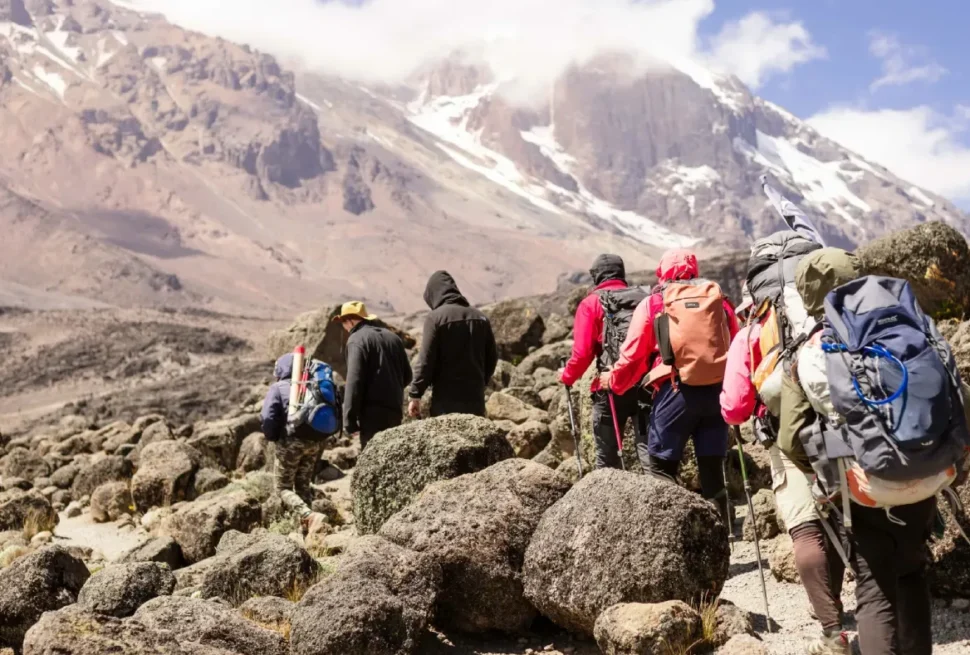
Climbing Mount Kilimanjaro is an extraordinary adventure, but trekkers must be aware of Acute Mountain Sickness (AMS), which can affect anyone above 2,500 meters (8,200 feet). Understanding the symptoms of AMS, how to recognize them early, and when to take action is essential for a safe and successful summit.
What is Acute Mountain Sickness (AMS)?
AMS occurs when your body struggles to adapt to reduced oxygen levels at high elevations. Kilimanjaro’s summit, Uhuru Peak at 5,895 meters (19,341 feet), presents a significant drop in oxygen, making climbers susceptible to AMS. While many experience mild symptoms, severe cases can escalate into life-threatening conditions if ignored.
Common Symptoms of AMS on Kilimanjaro
Recognizing early symptoms is key to preventing complications. Symptoms often appear within hours of ascending to high elevations and include:
- Headache: The most common early sign of AMS. Usually worsens at night or after exertion.
- Nausea and Vomiting: Digestive discomfort, loss of appetite, and vomiting are typical signs of the body struggling with altitude.
- Dizziness or Lightheadedness: Reduced oxygen can affect balance and coordination.
- Fatigue and Weakness: Feeling unusually tired, even with adequate rest, can indicate AMS.
- Shortness of Breath: Breathing may become labored, especially during physical exertion.
- Difficulty Sleeping: Insomnia or restless sleep is common at high altitudes.
Severe Symptoms Requiring Immediate Attention
If mild AMS is ignored, it can progress to severe altitude sickness, including:
- High Altitude Pulmonary Edema (HAPE): Fluid builds up in the lungs, causing extreme shortness of breath, coughing (sometimes with pink frothy sputum), and fatigue.
- High Altitude Cerebral Edema (HACE): Fluid accumulates in the brain, causing confusion, poor coordination, severe headache, nausea, and sometimes hallucinations.
Both HAPE and HACE are medical emergencies requiring immediate descent and professional care.
Risk Factors for AMS
Several factors increase the risk of AMS on Kilimanjaro:
- Rapid ascent: Gaining altitude too quickly prevents the body from adjusting.
- Short itineraries: Routes shorter than 6 days increase the likelihood of AMS.
- Physical exertion: Overexertion early in the climb stresses the body.
- Dehydration: Low fluid intake reduces acclimatization efficiency.
Prevention and Management
While this guide focuses on symptoms, prevention is closely tied to recognizing early warning signs:
- Climb Slowly: Take a gradual pace and use longer routes for proper acclimatization.
- Hydrate Frequently: Drink at least 3–4 liters of water daily.
- Rest and Eat Well: Sleep properly and consume high-carbohydrate meals.
- Listen to Your Body: Mild symptoms are a signal to rest and adjust.
- Descend if Necessary: For severe symptoms like confusion or difficulty breathing, descend immediately.
Why Guided Climbs Help
Climbing with experienced guides, like those at Tanzania Hiking, reduces the risk of AMS. Guides monitor health, adjust pacing, and provide advice on hydration, nutrition, and acclimatization strategies. They can also respond quickly to emergencies and assist in safe descents if needed.
Book Your Kilimanjaro Climb with Tanzania Hiking
At Tanzania Hiking, your safety is our top priority. Our professional guides are trained to monitor AMS symptoms, adjust your itinerary for optimal acclimatization, and ensure you reach the summit safely.
For bookings and inquiries, contact
- info@tanzaniahiking.com
- WhatsApp +255 752213715 / +255 754557877.
Request a Quote for Your Kilimanjaro Adventure
Below this page, you’ll find a request-a-quote form. Submit your preferred dates, route, and group size, and our team will provide a personalized itinerary with detailed pricing.