

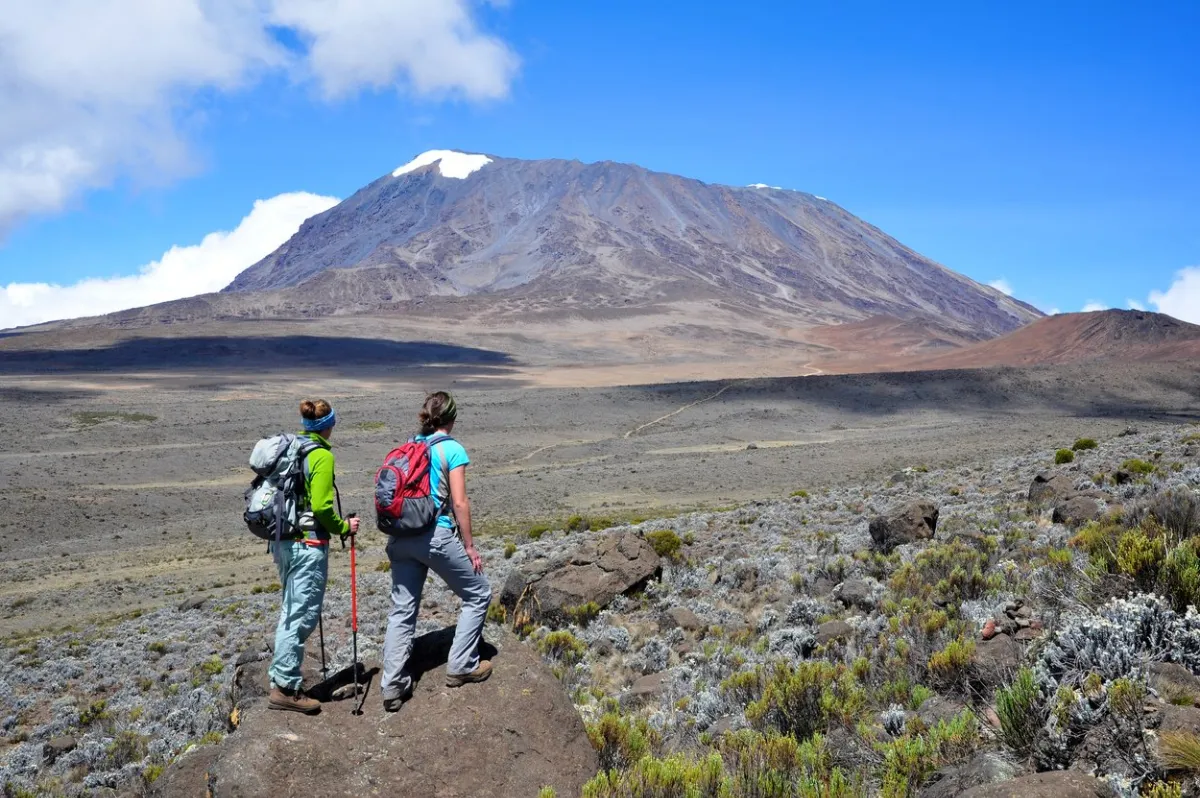
Tanzania Hiking Guide: Shortest Route to Climb Kilimanjaro
Mount Kilimanjaro, Africa’s highest mountain at 5,895 meters, attracts hikers and adventure seekers from all over the world. While many travelers dream of reaching the summit, not everyone has a week or more to dedicate to the trek. For those with limited time, choosing the shortest route is crucial. The shortest routes offer a faster ascent to the top, but they also require careful planning and consideration of altitude and fitness.
This guide explains the shortest Kilimanjaro routes, their advantages, challenges, and tips for a successful climb.
Why Route Selection Matters
Even though Kilimanjaro does not require technical climbing skills, the mountain’s high altitude poses significant challenges. Altitude sickness is a common reason climbers fail to reach the summit. Selecting a shorter route means ascending quickly, which can reduce acclimatization time. Hikers must balance time constraints with the risk of altitude sickness. Choosing the right route can greatly influence the chances of reaching the summit successfully and enjoying the experience.
Shortest Routes to the Summit
Among the main trekking routes, the shortest options are Marangu and Umbwe. Both routes typically take five to six days to complete, making them ideal for hikers who cannot spend a full week on the mountain.
| Route | Typical Duration | Notes |
|---|---|---|
| Marangu Route | 5–6 days | Oldest and most direct route, offers hut accommodation, less camping, “Coca-Cola Route” |
| Umbwe Route | 5–6 days | Steepest and most direct, least popular, recommended for experienced climbers only |
| Machame | 6–7 days | Moderate duration, scenic, “Whiskey Route” |
| Rongai | 6–7 days | Northern approach, gentler ascent, less crowded |
| Lemosho | 7–8 days | Longer route, high success rate, very scenic |
| Shira | 6–7 days | Western approach, moderate length, scenic plateau |
| Northern Circuit | 8–9 days | Longest route, highest success rate, most gradual acclimatization |
Marangu Route
The Marangu Route is often called the Coca-Cola Route by local guides. It is the oldest established route and follows a single trail both up and down the mountain. This route offers accommodation in mountain huts rather than tents, providing more comfort during the trek.
Advantages of the Marangu Route include the convenience of sleeping in huts and a more straightforward trail, which is less physically demanding compared to steep and rocky paths. The main challenge is that it ascends rapidly, giving hikers less time to acclimatize to the high altitude. This shorter acclimatization period can reduce the overall summit success rate compared to longer routes. The Marangu Route is most suitable for hikers who prefer comfort and are confident in their physical condition.
Umbwe Route
The Umbwe Route is the shortest and steepest route on Kilimanjaro. It starts on the southern side and climbs directly toward the summit with very steep terrain from the beginning. Because of the steep ascent and limited acclimatization time, this route is generally recommended only for experienced hikers in excellent physical condition.
The Umbwe Route offers a challenging and direct path for those seeking adventure and speed. It is less crowded than other routes, giving a more remote and rugged experience. The main disadvantage is the higher risk of altitude sickness, which can prevent hikers from reaching the summit if proper care is not taken.
Considerations for Hiking Short Routes
Hiking a shorter route requires careful preparation. Hikers should be physically fit and prepared for long and strenuous days. It is important to maintain a slow and steady pace, stay hydrated, and listen to the advice of experienced guides. Weather can also impact short routes, as there is less time to adjust plans for heavy rain or cold conditions.
Hikers using short routes should understand that speed comes with trade-offs. While it saves time, it increases the difficulty and can lower the overall summit success rate. First-time climbers may prefer longer routes such as Lemosho or Northern Circuit, which provide more days for acclimatization and higher chances of success.
Tips for Success on Short Kilimanjaro Routes
- Choose experienced guides who monitor your pace and altitude adaptation.
- Drink at least three to four liters of water daily.
- Dress in layers to adjust to changing temperatures from base to summit.
- Use trekking poles to reduce strain on knees during steep ascents and descents.
- Take rest breaks as needed, even if the itinerary is short.
Final Thoughts
The shortest routes to climb Kilimanjaro are the Marangu and Umbwe routes. Marangu offers comfort with huts and a less physically demanding trail, while Umbwe provides a challenging and direct path for fit and experienced hikers. Both options require careful preparation due to rapid altitude gain.
While short routes are ideal for those with limited time, hikers seeking the highest cance of reaching the summit may prefer longer routes that allow for proper acclimatization. Understanding the advantages and challenges of each route is key to planning a successful and memorable Tanzania hiking adventure.


