
Introduction
Many adventure enthusiasts often wonder about the difference between mountain climbing and hiking. While both involve outdoor movement and exploring natural landscapes, they differ in difficulty, equipment, physical demand, and skill requirements. Understanding these differences helps you choose the right activity based on your fitness level, experience, and adventure goals.
Overview
Hiking and mountain climbing share similarities, such as being outdoor activities that involve walking and enjoying scenic areas. However, they diverge in technicality, altitude, and preparation. To make a clear comparison, we can break down the differences into key aspects: terrain, equipment, difficulty, and experience.
Terrain and Environment
Hiking
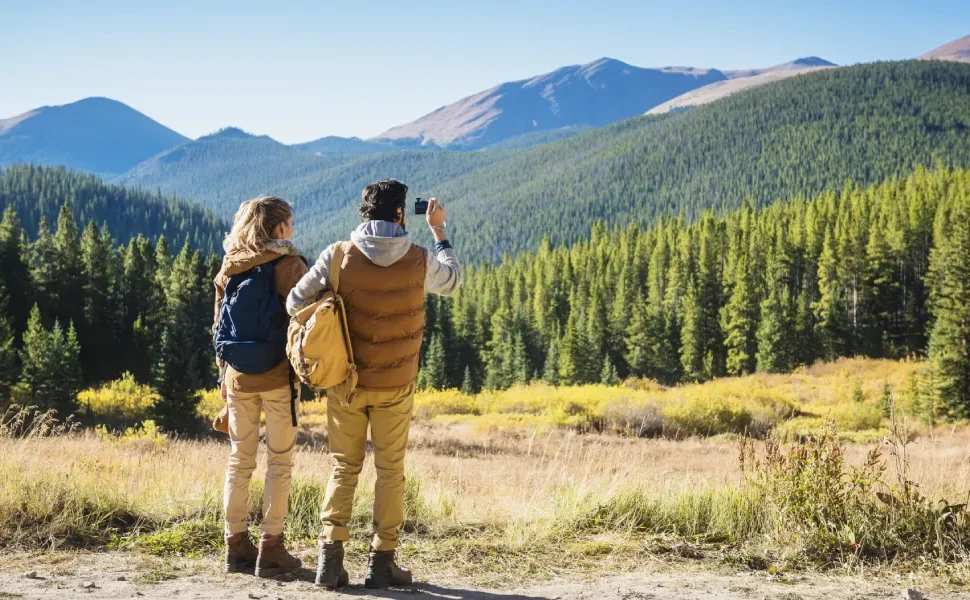
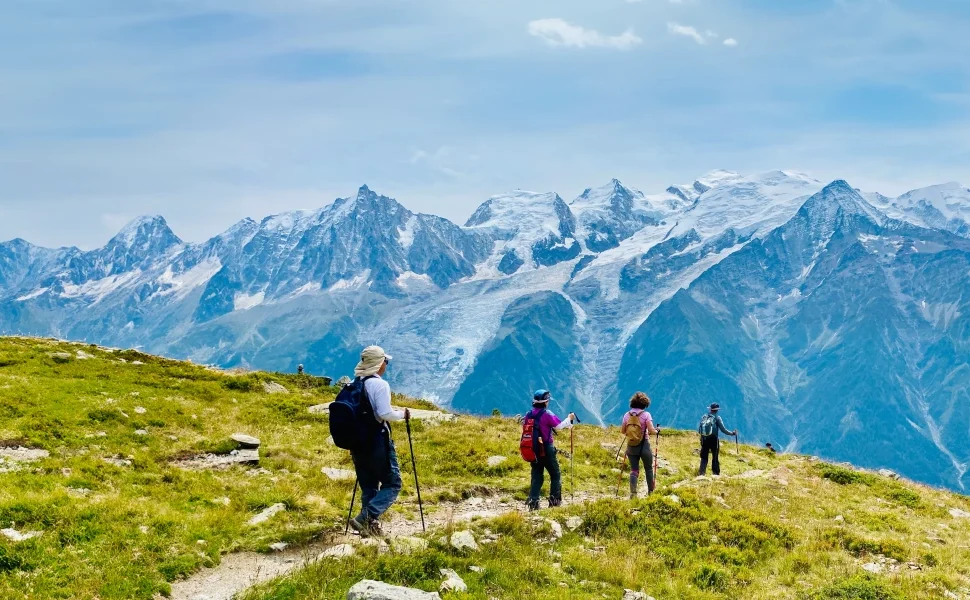
Hiking usually takes place on well-marked trails or natural paths in forests, hills, or mountains. The terrain varies from flat to moderate slopes, making it accessible to beginners and casual outdoor enthusiasts. Trails often include rest areas, viewpoints, or shelters.
Mountain Climbing
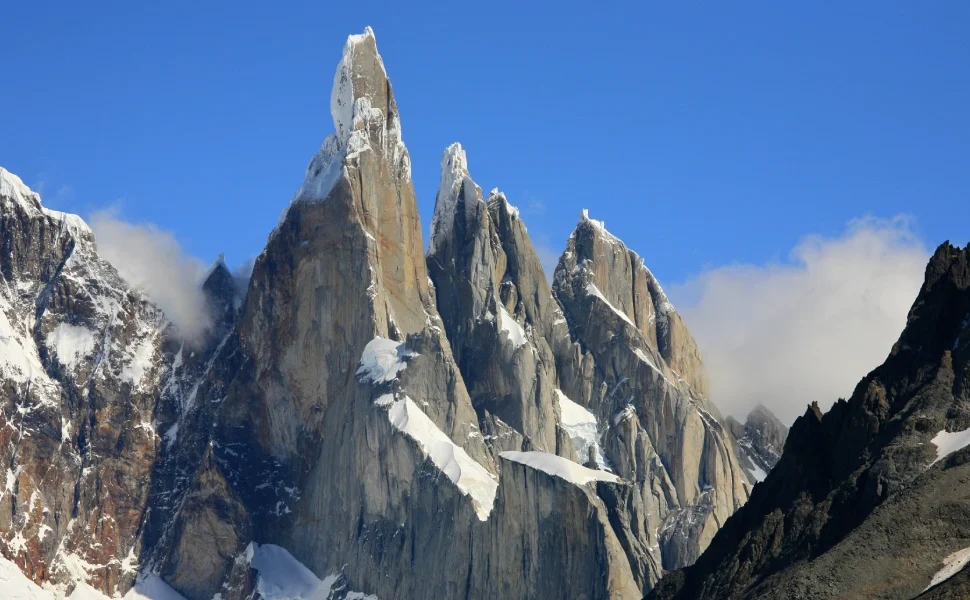
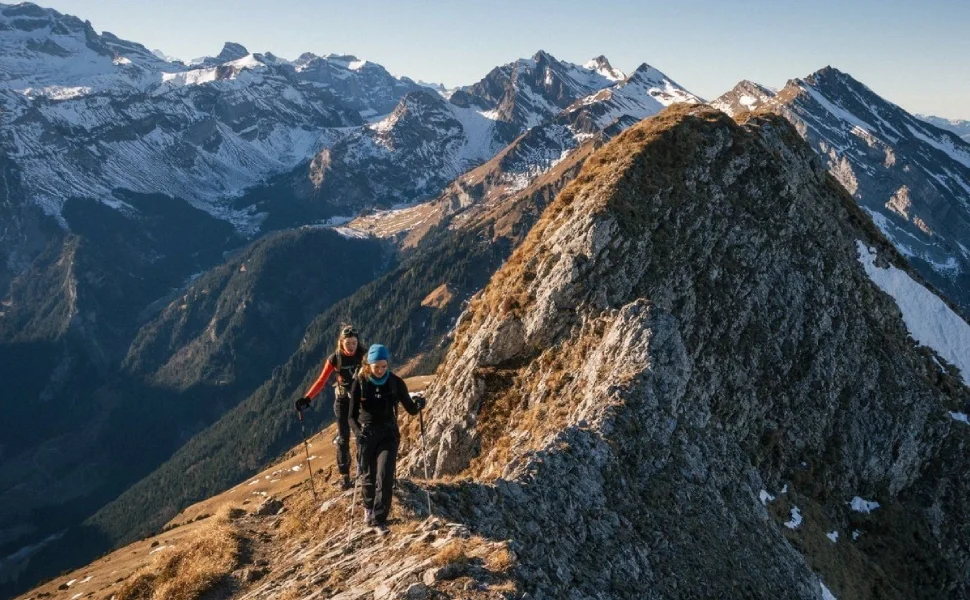
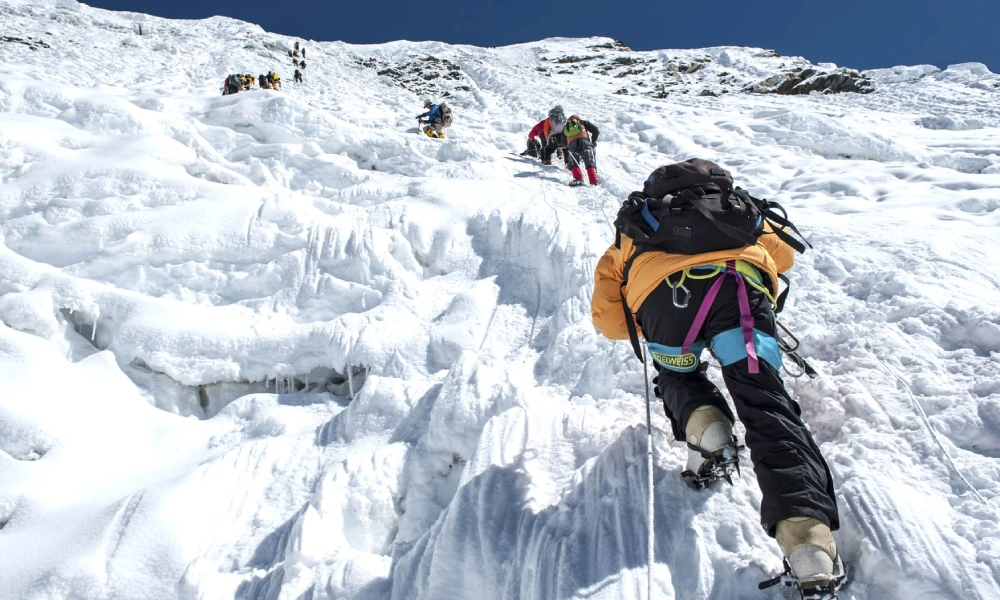
Mountain climbing involves steep, rocky, or icy terrain. Climbers may face vertical walls, glaciers, or technical rock routes. In addition, remote locations often require navigation skills and route planning.
Equipment and Gear
Hiking
Hikers typically need basic gear such as sturdy boots, backpacks, water, food, and weather-appropriate clothing. Optional items may include trekking poles, maps, or GPS devices for longer trails.
Mountain Climbing
Mountain climbers require specialized equipment, including ropes, harnesses, helmets, crampons, ice axes, and safety gear. Depending on the climb, climbers may also use tents and high-altitude supplies.
Difficulty and Physical Demands
Hiking
Hiking varies from easy day trips to multi-day treks. Most hikes require moderate endurance, balance, and basic stamina. Altitude is generally manageable for most hikers, especially on shorter trails.
Mountain Climbing
Mountain climbing is physically demanding and often extreme. Climbers face high altitudes, steep inclines, technical maneuvers, and prolonged exertion. Proper acclimatization, strength, and endurance are essential
Experience and Skill
Hiking
Hiking is beginner-friendly. While experience enhances enjoyment, even novice hikers can enjoy many trails with minimal training. Knowledge of basic navigation and safety is sufficient for most hikes.
Mountain Climbing
Mountain climbing requires advanced skills, including rock climbing, ice climbing, and rope techniques. Experience, training, and sometimes certified courses are essential for safety on difficult routes.
Key Differences at a Glance
| Aspect | Hiking | Mountain Climbing |
|---|---|---|
| Terrain | Trails, moderate slopes | Steep, rocky, icy, remote |
| Equipment | Basic boots, backpack, poles | Ropes, harnesses, crampons, axes |
| Difficulty | Moderate to challenging | Technical, extreme, demanding |
| Experience | Beginner-friendly | Requires advanced skills |
| Duration | Hours to a few days | Multiple days or weeks |
Conclusion
While both activities let you enjoy nature and build physical fitness, hiking suits casual adventurers seeking scenic trails, whereas mountainclimbing challenges experienced adventurers who seek high-altitude peaks and technical terrain. Your choice depends on your skill level, fitness, and willingness to invest in training and equipment.
Plan Your Adventure with Tanzania Hiking
Whether you want to start with beginner-friendly hikes or take on mountain climbs, Tanzania Hiking offers guided trips, including Mount Kilimanjaro, Mount Meru, and other scenic trails.
Call / WhatsApp: +255 752 213 715 / +255 754 557 877
Email: info@tanzaniahiking.com
Contact Tanzania Hiking today and explore nature safely while building your adventure experience.