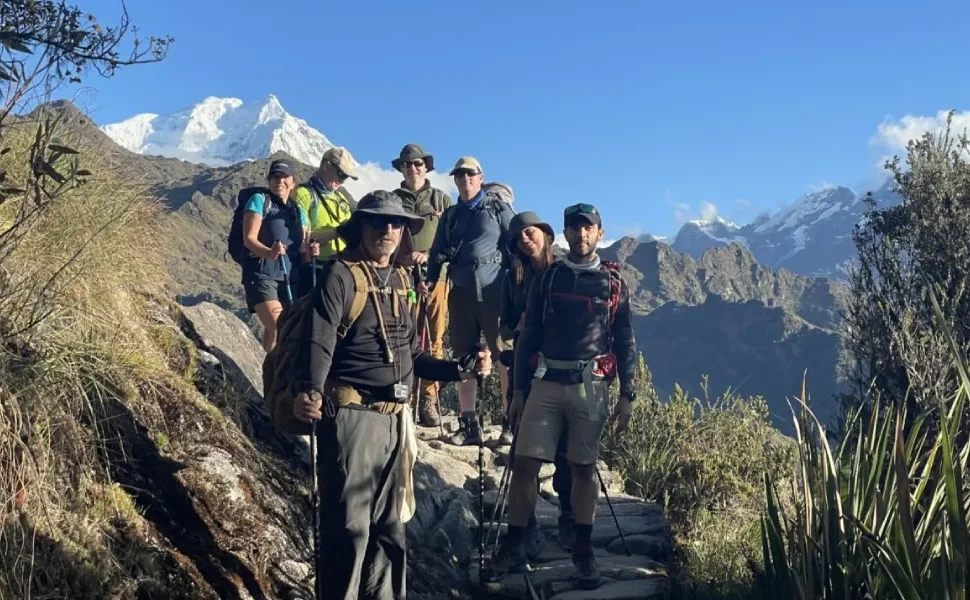

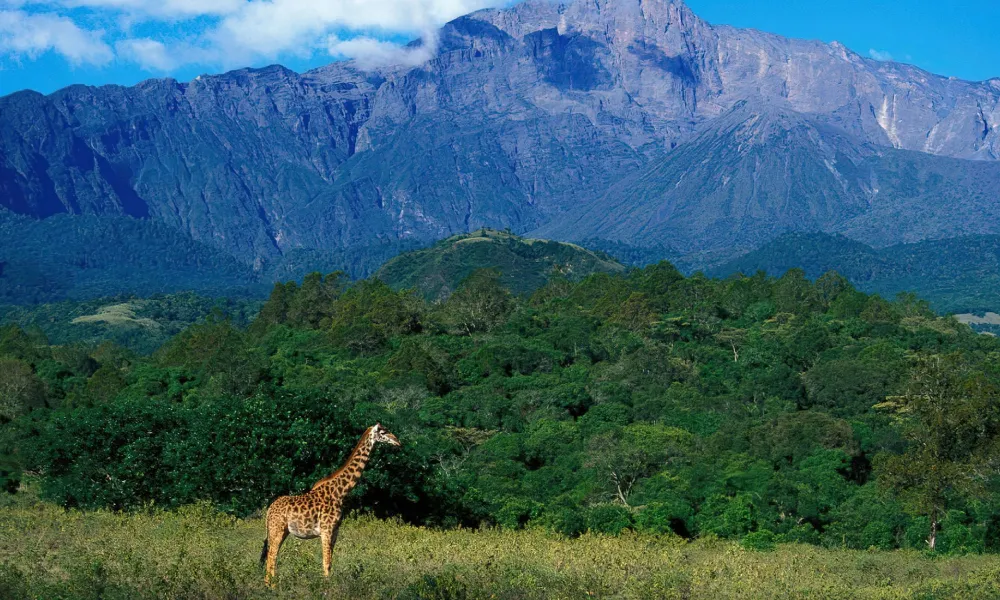
Mount Meru, Tanzania’s second-highest peak at 4,566 meters, is not only a stunning trekking destination but also a botanical treasure. Its slopes host a remarkable range of plant life, from dense montane forests at lower elevations to unique alpine vegetation near the summit. For hikers, understanding Mount Meru’s flora enriches the trekking experience, offering insight into the mountain’s ecology and natural beauty.
This guide explores the diverse plant species and ecological zones on Mount Meru, highlighting what to expect as you ascend.
Lower Slopes: Montane Forests (1,500–2,500 m)
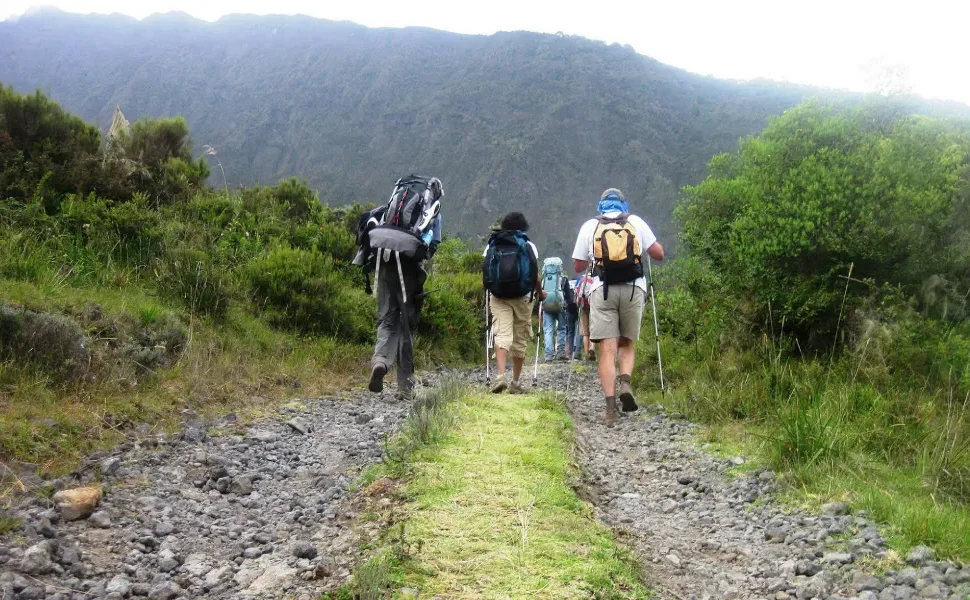
The trek begins at Momella Gate, where the mountain rises gently through montane forest. This zone is characterized by:
- Tall hardwood trees: Camphor, mahogany, and fig trees dominate the canopy.
- Lianas and epiphytes: Climbing plants and moss-covered branches create a dense, green environment.
- Understory plants: Ferns, shrubs, and small flowering plants thrive in shaded areas.
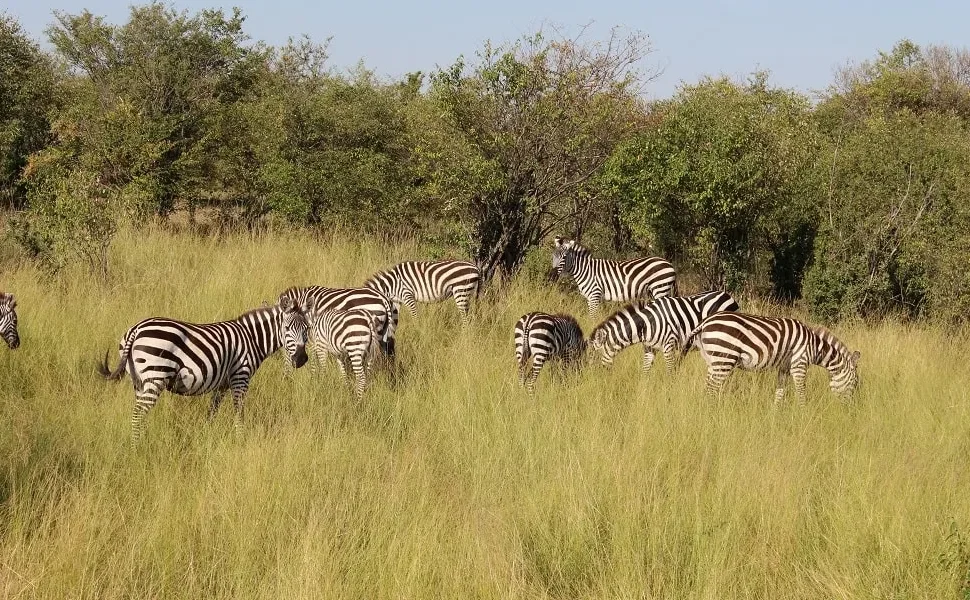
These forests are also home to diverse wildlife, including monkeys, birds, and small mammals. The lush greenery and natural sounds provide a gentle introduction to the hike.
Mid Slopes: Transitional Forest and Moorland (2,500–3,500 m)
As you approach Miriakamba Hut and Saddle Hut, the forest gradually thins, giving way to montane moorland:
- Giant groundsels and lobelias: Iconic high-altitude plants adapted to cooler temperatures and strong sunlight.
- Heather and protea shrubs: Provide vibrant splashes of color during flowering season.
- Mosses and lichens: Cling to rocks and soil, indicating high humidity and cloud cover.
This zone offers panoramic viewpoints and serves as a crucial acclimatization area for trekkers. The mix of forest and moorland supports unique wildlife and bird species.
Upper Slopes: Alpine Zone (3,500–4,566 m)
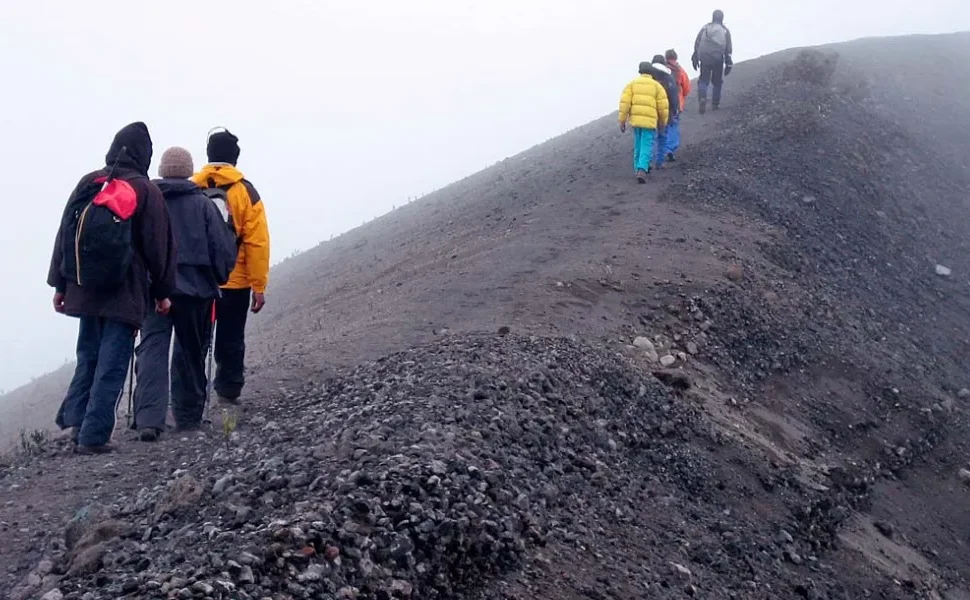
Above Saddle Hut, vegetation becomes sparse, and alpine plants dominate the landscape:
- Helichrysum (everlastings): Low-growing plants with silver-green leaves adapted to wind and cold.
- Alpine grasses: Hardy grasses cling to rocky ridges and volcanic ash.
- Specialized flowering plants: Some species bloom briefly during the dry season, adding color to the volcanic terrain.
The summit area is largely volcanic rock with scattered flora, demonstrating the resilience of high-altitude plants.
Unique Flora Highlights
- Giant lobelia: Can grow several meters tall, often seen near Saddle Hut.
- Groundsel rosettes: Survive frost and strong UV exposure at high altitudes.
- Orchids and ferns: Occasionally bloom in sheltered forest pockets on mid slopes.
These plants create photo-worthy landscapes and illustrate how life adapts to changing altitude and climate.
Flora and Ecological Zones at a Glance
| Elevation Zone | Key Flora | Trekking Highlights |
|---|---|---|
| 1,500–2,500 m | Montane forest, hardwoods, ferns | Shaded trails, wildlife spotting |
| 2,500–3,500 m | Heathland, giant lobelias, heather | Panoramic views, acclimatization hikes |
| 3,500–4,566 m | Alpine grasses, Helichrysum, volcanic flora | Summit ridge, unique alpine landscapes |
Why Flora Matters to Trekkers
Understanding Mount Meru’s plant life enhances your hike by:
- Providing natural landmarks for navigation
- Offering insight into ecological adaptation
- Supporting wildlife observation, as certain animals rely on specific plants
- Enhancing the visual and photographic experience
Plan a Guided Mount Meru Trek With Tanzania Hiking
Tanzania Hiking ensures your trek includes insight into the mountain’s flora, professional guidance, and safe, responsible exploration. Our guides point out key plant species, help you appreciate the ecology, and ensure a smooth hiking experience.
- Email: info@tanzaniahiking.com
- WhatsApp: +255 752 213 715 / +255 754 557 877
Request a Quote for Your Mount Meru Trek
Want to experience Mount Meru’s stunning flora from forest to alpine zones?
Fill out the quote request form below, and our team will design a trek tailored to your interests, pace, and schedule.