

Minimum Age to Climb Mount Kilimanjaro: Rules and Safety Guidelines
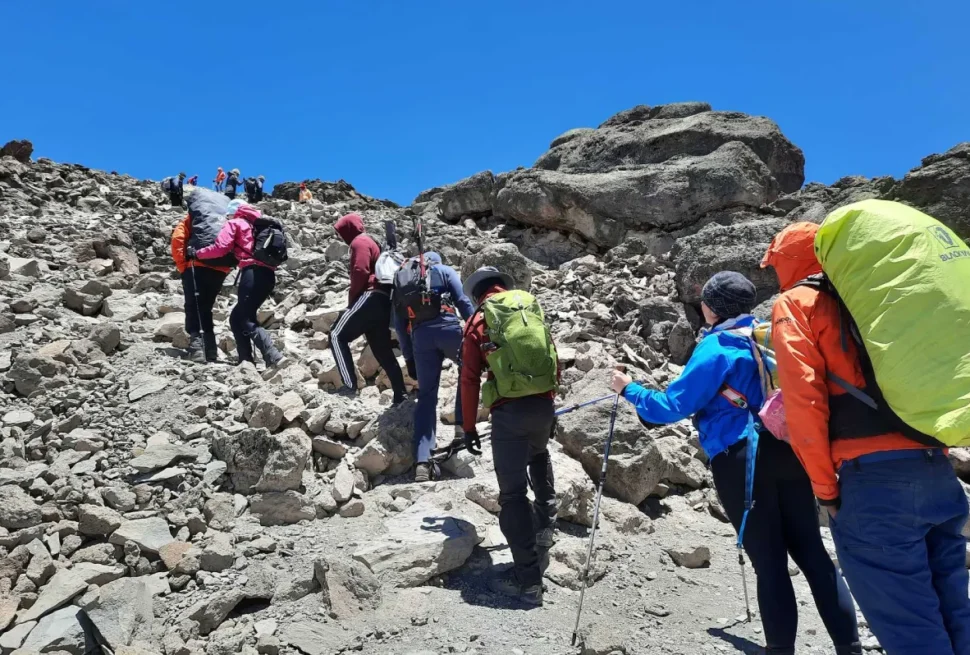
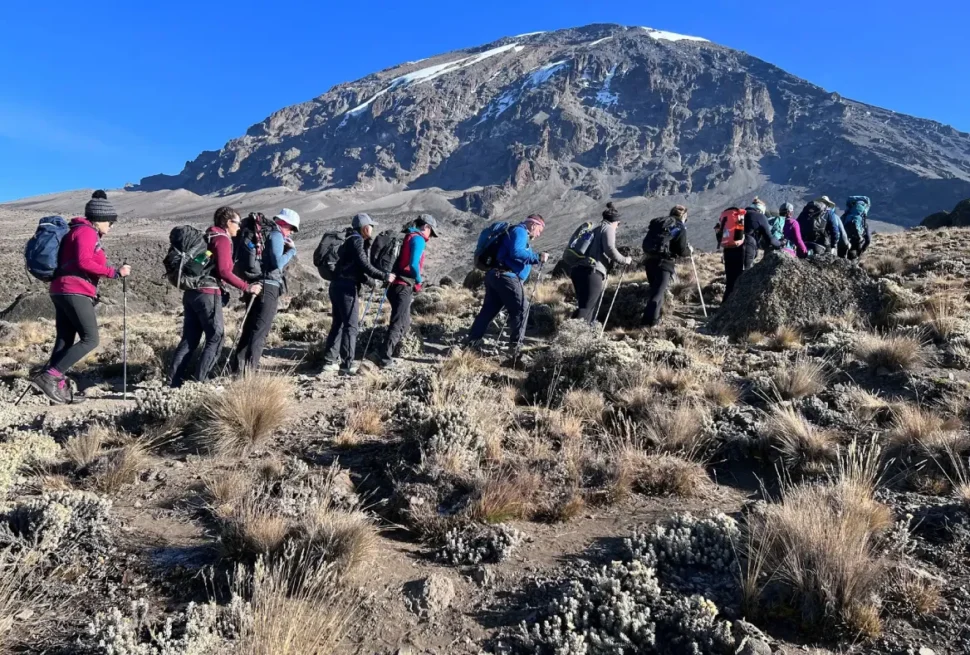
Mount Kilimanjaro is one of the most accessible high mountains in the world, attracting climbers of many ages. Families often ask: What is the minimum age to climb Mount Kilimanjaro? Understanding the official regulations and safety considerations is essential before planning a climb with children or teenagers.
Official Minimum Age Requirement
The minimum legal age to climb Mount Kilimanjaro is 10 years old. This rule is set by Kilimanjaro National Park authorities and applies to all routes on the mountain. Children under the age of 10 are not permitted to climb, regardless of fitness or experience.
Park rangers may request proof of age during registration, so it is important to carry a copy of the child’s passport.
Why There Is a Minimum Age Limit
The age restriction is based on safety rather than physical ability alone. Kilimanjaro’s altitude, cold temperatures, and long trekking days can be difficult for young children.
Key reasons for the age limit include:
- Reduced ability of young children to communicate altitude sickness symptoms
- Increased risk of altitude-related illness at high elevation
- Long hiking days requiring stamina and mental endurance
- Extreme cold and weather exposure, especially on summit night
The rule helps ensure climbers are mature enough to recognize discomfort and follow safety instructions.
Can Children Over 10 Successfully Climb Kilimanjaro?
Yes, many children aged 10 and above have successfully reached the summit, especially when:
- They are physically fit and active
- The itinerary allows sufficient acclimatization
- They climb with experienced professional guides
- Parents or guardians closely monitor their well-being
Longer routes such as Lemosho or Machame (7–8 days) are strongly recommended for younger climbers.
Additional Age-Related Considerations
Teenagers (13–17 Years)
Teenagers often perform very well on Kilimanjaro when properly prepared. However:
- Parental or guardian consent is required
- Guides pay extra attention to hydration and fatigue
- Emotional encouragement is important during summit night
Adults and Older Climbers
There is no maximum age limit to climb Kilimanjaro. Success depends more on fitness, acclimatization, and mental determination than age alone.
Safety Measures for Younger Climbers
When climbing with children or teenagers, extra safety measures should be in place:
- Slower pace and frequent rest breaks
- Daily health checks and symptom monitoring
- Immediate descent if altitude sickness symptoms appear
- Proper cold-weather gear and nutrition
At Tanzania Hiking, guides are trained to adapt climbs to suit younger climbers while prioritizing safety.
Medical and Fitness Preparation for Children
Before booking, children should:
- Undergo a medical check-up
- Have no uncontrolled medical conditions
- Be comfortable hiking for several hours per day
- Practice hiking at elevation if possible
Parents should ensure children understand the importance of listening to guides and reporting symptoms honestly.
Climb Kilimanjaro Safely with Tanzania Hiking
At Tanzania Hiking, we welcome families and young climbers while strictly following park regulations. Our experienced guides ensure proper pacing, acclimatization, and close monitoring for climbers of all ages.
For bookings and inquiries, contact
- info@tanzaniahiking.com
- WhatsApp +255 752213715 / +255 754557877.
Request a Quote for Your Kilimanjaro Adventure
Below this page, you’ll find a request-a-quote form. Share your travel dates, route preference, group size, and ages of climbers, and our team will provide a customized itinerary and pricing details.