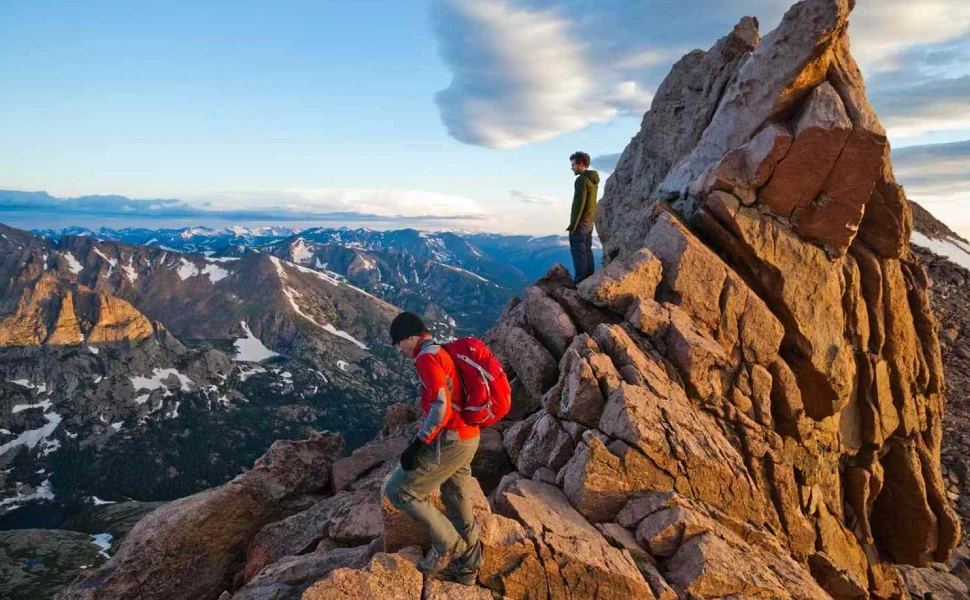


Tanzania Hiking Guide: Mental Preparation for Kilimanjaro
Climbing Mount Kilimanjaro is one of the most extraordinary adventures for hikers visiting Tanzania. As Africa’s highest peak at 5,895 meters, the trek presents not only a physical challenge but also a significant mental one. Success on the mountain depends as much on mental preparation as on fitness. Understanding how to prepare psychologically can help climbers stay motivated, handle challenges, and increase their chances of reaching the summit.
Why Mental Preparation Matters
While Kilimanjaro is a non-technical climb, it requires endurance, determination, and focus. Hikers face long trekking days, steep ascents, high altitude, and unpredictable weather conditions. Fatigue, altitude sickness, and the sheer length of the trek can take a mental toll. Climbers who are mentally prepared are better equipped to manage discomfort, pace themselves, and maintain motivation during the most difficult stages of the climb.
Setting Realistic Expectations
One of the first steps in mental preparation is setting realistic expectations. Many hikers focus solely on reaching the summit, which can lead to frustration if progress is slow. Instead:
- Break the climb into smaller goals, such as reaching the next camp or completing each day’s distance
- Accept that weather, fatigue, or altitude may slow progress
- Focus on enjoying the journey and the stunning landscapes along the way
Realistic expectations reduce stress and help climbers stay positive even when challenges arise.
Visualization and Positive Thinking
Visualization is a powerful tool for mental preparation. Climbers can mentally rehearse the trek, imagining themselves navigating trails, setting up camp, and reaching the summit. Positive thinking reinforces confidence and resilience. Daily practice of visualization and affirmations helps hikers approach the climb with a calm and focused mindset.
Managing Stress and Anxiety
High-altitude trekking can cause anxiety for beginners and experienced hikers alike. Stress can stem from physical discomfort, altitude sickness, or uncertainty about reaching the summit. Techniques to manage stress include:
- Controlled breathing exercises to maintain calm
- Meditation or mindfulness practices before and during the trek
- Maintaining a steady pace to avoid feeling rushed or overwhelmed
- Focusing on small, achievable goals rather than the entire climb
Managing stress effectively improves both mental focus and physical performance.
Mental Endurance Training
Mental endurance is built through experience and training. Long hikes, multi-day treks, and challenging workouts help hikers practice patience, perseverance, and adaptability. Simulating real trekking conditions, such as hiking with a backpack and tackling elevation gains, allows climbers to experience physical and mental strain in a controlled environment. This training translates directly to the demands of Kilimanjaro.
Support Systems and Encouragement
Having a reliable support system on the mountain is crucial. Guides, assistant guides, and fellow climbers provide motivation, encouragement, and reassurance. Sharing experiences with others helps reduce feelings of isolation and mental fatigue. Staying connected with a support team fosters confidence and reinforces mental strength during difficult sections of the climb.
Maintaining Motivation on the Mountain
Motivation can waver during long days and challenging conditions. Tips to stay motivated include:
- Celebrating small achievements along the route
- Reminding yourself of the purpose of the climb
- Using music, journaling, or mindfulness to stay focused
- Maintaining a positive attitude despite fatigue or discomfort
A strong mindset can carry climbers through the most demanding parts of the trek.
Final Thoughts
Mental preparation is as important as physical fitness when climbing Mount Kilimanjaro. By setting realistic expectations, practicing visualization, managing stress, building mental endurance, and relying on support systems, hikers increase their chances of reaching the summit safely and successfully. Tanzania hiking enthusiasts who invest in psychological preparation will find the journey not only achievable but also deeply rewarding, creating lasting memories of Africa’s highest peak.