

Maximum Age to Climb Kilimanjaro: Is There an Age Limit?
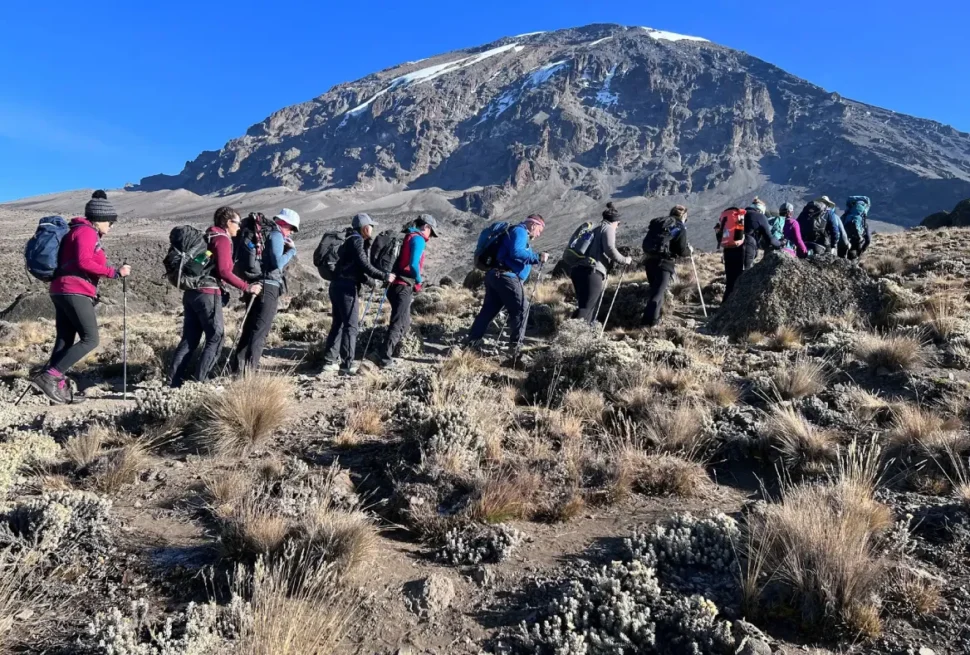
One of the most common questions from travelers planning to climb Mount Kilimanjaro is: Is there a maximum age limit? The simple answer is no. There is no maximum age restriction to climb Mount Kilimanjaro. Climbers in their 60s, 70s, and even 80s have successfully reached the summit.
On Kilimanjaro, fitness, preparation, and acclimatization matter far more than age.
Official Age Rules on Kilimanjaro
Kilimanjaro National Park sets a minimum age of 10 years, but there is no upper age limit. As long as a climber is medically fit and capable of trekking for multiple days at altitude, they are allowed to attempt the climb.
Park authorities do not restrict older climbers, but personal health and medical readiness are critical considerations.
Can Older Climbers Reach the Summit?
Yes, many older climbers successfully summit Kilimanjaro every year. In fact, mature climbers often perform very well because they:
- Maintain a steady, controlled pace
- Listen carefully to guides
- Take acclimatization seriously
- Avoid rushing or overexertion
Success on Kilimanjaro is not about speed or strength alone—it is about endurance, patience, and mental resilience.
Health Considerations for Older Climbers
While age itself is not a barrier, older climbers should pay special attention to medical preparation.
Key considerations include:
- Heart health: A medical check-up is strongly recommended
- Blood pressure: Should be well controlled
- Joint health: Knees and hips should handle long descents
- Respiratory conditions: Must be managed properly at altitude
Consulting a doctor before booking is essential, especially for climbers over 50 or with chronic conditions.
Choosing the Right Route Matters
For older climbers, selecting a route with proper acclimatization greatly improves safety and summit success.
Recommended routes include:
- Lemosho Route (7–8 days)
- Machame Route (7 days)
- Northern Circuit (8–9 days)
These routes allow gradual altitude gain and extra time for the body to adapt, reducing the risk of altitude sickness.
Fitness Preparation Tips for Older Climbers
Older climbers should focus on:
- Regular cardiovascular training such as walking, cycling, or swimming
- Strengthening legs and core muscles
- Practicing long hikes with a backpack
- Training on hills or stairs to simulate elevation gain
Consistency in training is more important than intensity.
Safety Support on the Mountain
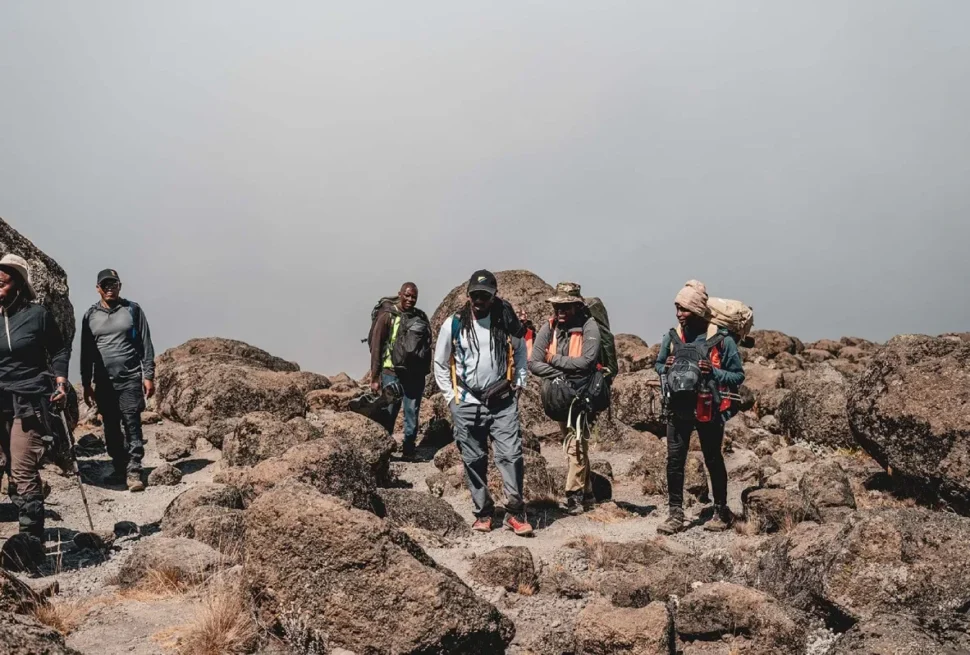
Professional guides play a vital role in ensuring older climbers stay safe. Guides monitor:
- Oxygen saturation levels
- Walking pace and energy levels
- Signs of altitude sickness
- Hydration and nutrition
If symptoms appear, guides can adjust the itinerary or recommend descent.
Climb Safely with Tanzania Hiking
At Tanzania Hiking, we regularly guide climbers of all ages, including seniors. Our experienced team focuses on slow pacing, proper acclimatization, and daily health monitoring to maximize safety and comfort.
For bookings and inquiries, contact
- info@tanzaniahiking.com
- WhatsApp +255 752213715 / +255 754557877.
Request a Quote for Your Kilimanjaro Adventure
Below this page, you’ll find a request-a-quote form. Share your travel dates, route preference, group size, and any health considerations, and our team will prepare a personalized itinerary and detailed pricing.