
Introduction
If you’re considering a major mountain adventure, you may wonder: Kilimanjaro vs Everest – what’s the difference? Both mountains are iconic, but they offer very different experiences in terms of altitude, technical difficulty, preparation, and scenery. Understanding these differences will help you choose the trek or climb that matches your skill, fitness, and adventure goals.
Overview
Mount Kilimanjaro in Tanzania is Africa’s highest peak and a non-technical trek, while Mount Everest in Nepal is the world’s tallest mountain and requires advanced mountaineering skills. Although both mountains provide breathtaking landscapes, the challenges, risks, and required preparation are very different.
Mount Kilimanjaro
Height and Routes
Mount Kilimanjaro reaches 5,895 meters (19,341 ft). Popular trekking routes include Machame, Lemosho, Rongai, and Marangu. The routes are non-technical, meaning climbers do not need ropes or climbing gear.
Difficulty and Experience
Kilimanjaro requires good fitness and endurance but does not involve technical climbing. Most treks take 5–9 days to allow for proper acclimatization and higher chances of reaching the summit.
Scenery and Highlights
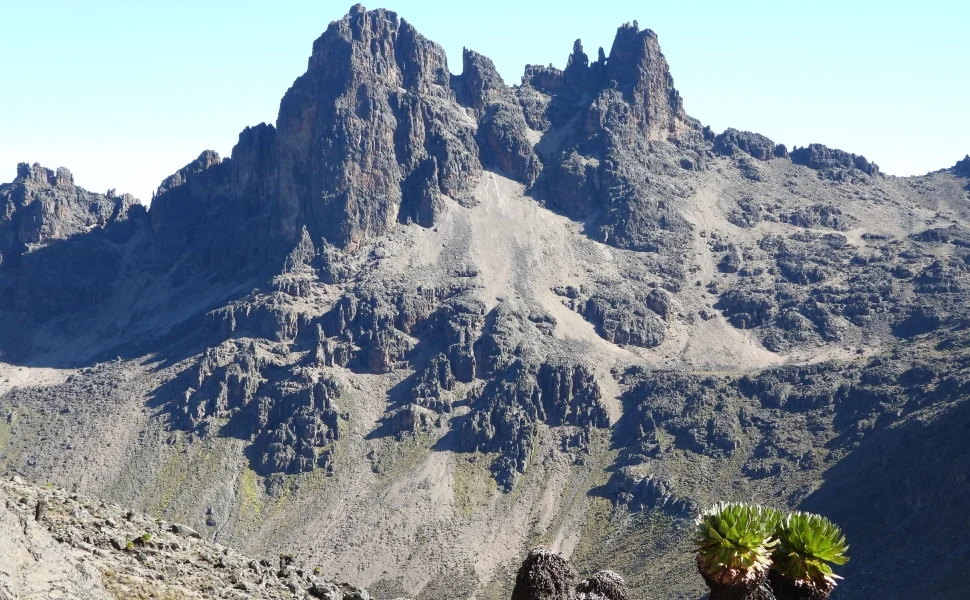
Kilimanjaro showcases diverse ecosystems, including rainforests, moorlands, volcanic rocks, and glaciers. The summit sunrise is a breathtaking reward and provides panoramic views of East Africa.
Mount Everest
Height and Routes
Mount Everest reaches 8,848 meters (29,029 ft) and sits on the Nepal-China border. Climbers follow routes like the South Col (Nepal) or North Ridge (Tibet). Both routes involve technical climbing, icefalls, and extreme high-altitude conditions.
Difficulty and Experience
Everest requires years of mountaineering experience, technical skills, and advanced fitness. Climbers must use ropes, crampons, ice axes, and high-altitude gear. Acclimatization and careful planning are essential to survive the harsh environment.
Scenery and Highlights
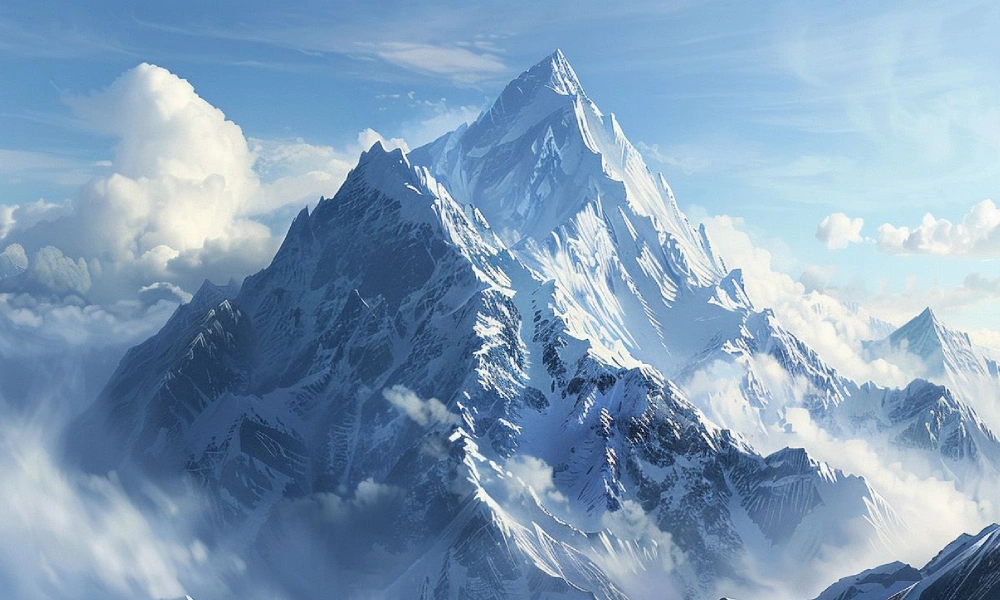
Everest offers dramatic Himalayan scenery, including glaciers, deep valleys, and surrounding 8,000-meter peaks. Summit success provides one of the greatest achievements in mountaineering history.
Key Differences Between Kilimanjaro and Everest
| Feature | Mount Kilimanjaro | Mount Everest |
|---|---|---|
| Height | 5,895 m / 19,341 ft | 8,848 m / 29,029 ft |
| Difficulty | Non-technical, high altitude | Technical, extreme high-altitude |
| Typical Duration | 5–9 days | 6–10 weeks including acclimatization |
| Required Skills | Fitness and endurance | Advanced mountaineering, technical skills |
| Scenery | Forests, glaciers, moorlands | Glaciers, icefalls, Himalayan peaks |
| Risk Level | Moderate, altitude-related | Very high, extreme weather and altitude |
Which Mountain Should You Choose?
Choose Mount Kilimanjaro if you want a non-technical, high-altitude trekking adventure that is achievable with proper preparation. Choose Mount Everest only if you have advanced climbing experience, technical skills, and the time and resources for a serious mountaineering expedition.
Book Your Kilimanjaro Climb with Tanzania Hiking
While Everest is a major technical challenge, Tanzania Hiking offers guided Mount Kilimanjaro climbs with expert support, ensuring safety, acclimatization, and a memorable summit experience.
Call / WhatsApp: +255 752 213 715 / +255 754 557 877
Email: info@tanzaniahiking.com
Contact Tanzania Hiking today and take the first step toward climbing Africa’s highest peak with experienced local guides.