

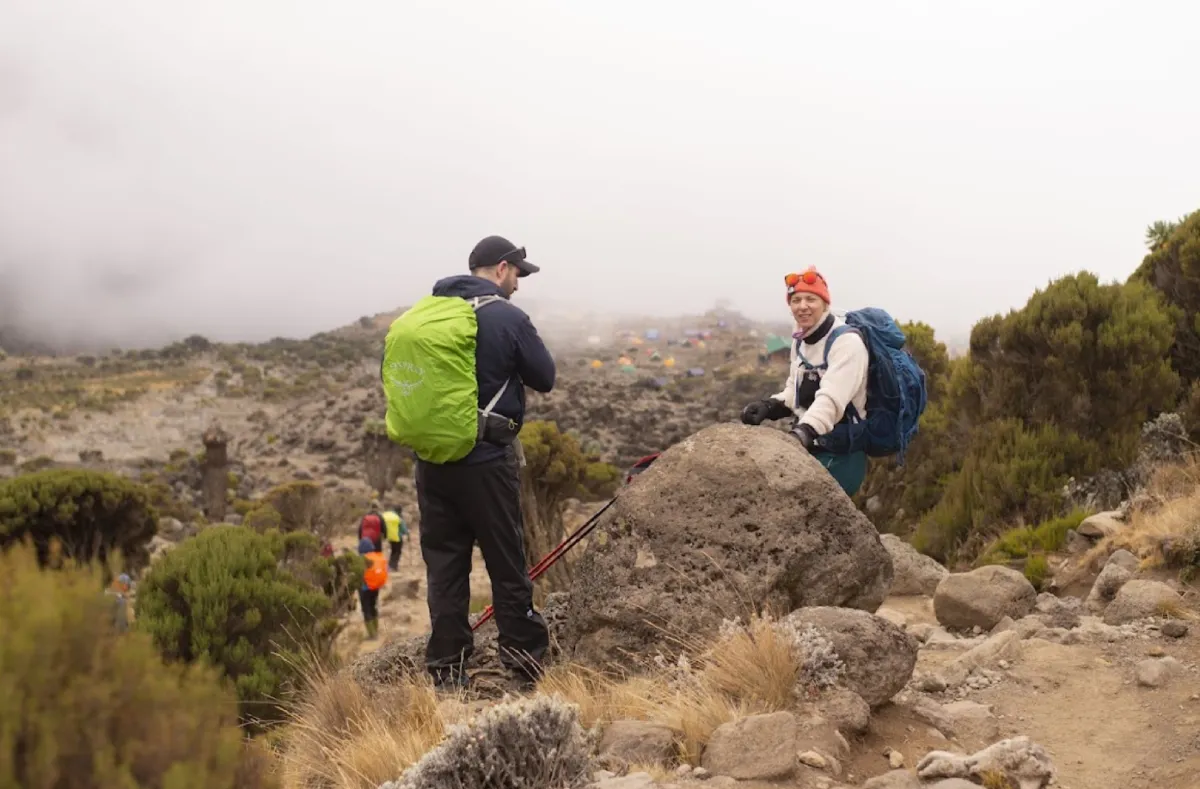
Kilimanjaro Tipping Guide for Climbers
Climbing Mount Kilimanjaro is an unforgettable adventure, but it is important to understand the etiquette and expectations for tipping guides, porters, and support staff. Tipping is a significant part of the culture and a major source of income for the local trekking community. Proper tipping ensures that your team feels appreciated for their hard work and dedication during your climb.
This guide helps Kilimanjaro climbers plan appropriate tips and understand who to tip and how much.
Who to Tip on Mount Kilimanjaro
During a Kilimanjaro trek, you will typically be supported by several staff members, including:
- Lead Guides – Experienced professionals who navigate the mountain, monitor your health, and make critical decisions for your safety.
- Assistant Guides – Support the lead guide, assist climbers, and ensure the group stays on schedule.
- Porters – Carry gear, set up tents, and provide logistical support.
- Cooks – Prepare meals, handle food supplies, and maintain cleanliness at camps.
- Camp Staff – Sometimes included in larger trekking teams for additional support and organization.
Each group member plays a crucial role in making your climb safe, comfortable, and enjoyable.
How Much to Tip
Tipping amounts can vary depending on the route, the duration of the trek, and your satisfaction with the service. A general guideline for a 7-day climb is:
- Lead Guide: $25–$30 per day per guide
- Assistant Guide: $15–$20 per day
- Porters: $10–$15 per day per porter
- Cook: $12–$15 per day
For shorter or longer treks, adjust proportionally. It is also customary to give tips in USD and in cash at the end of the trek.
Tips for Tipping Etiquette
- Distribute Tips Properly: Give tips individually rather than as a group sum, so each staff member receives their share directly.
- Be Generous if Service Exceeded Expectations: If your guides and porters went above and beyond, it is appropriate to tip more.
- Tip at the Summit or End of Trek: Present your tips on the last day of the climb, often after descending to the base.
- Include All Staff: Remember to tip cooks and support staff, even if they are not directly visible on the trail.
Why Tipping Matters
Trekking Kilimanjaro is labor-intensive, and staff work long hours in challenging conditions, often carrying heavy loads at high altitude. Tips are a key source of income for guides, porters, and cooks, supplementing their salaries and helping sustain their families. By tipping appropriately, climbers show respect and gratitude for the team that helps make the adventure possible.
How Tanzania Hiking Supports Tipping
Tanzania Hiking ensures all guides, porters, and staff are treated fairly and compensated appropriately. We also provide advice to climbers about recommended tipping practices and amounts. Our team can help you plan ahead so tipping is seamless and culturally appropriate.
For bookings, guidance, and Kilimanjaro climbing packages, contact
- Email: info@tanzaniahiking.com
- WhatsApp +255 752213715 / +255 754557877.
You can also fill out the request a quote form below to receive a personalized Kilimanjaro trekking itinerary, including expert tips on tipping, accommodation, and route planning.


