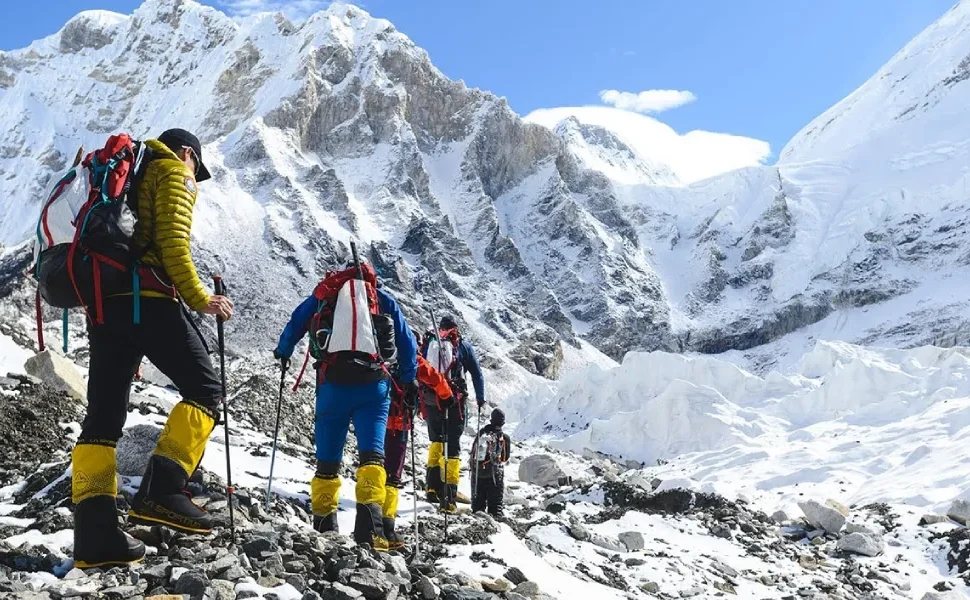


Kilimanjaro Temperatures at the Summit: What to Expect
Climbing Mount Kilimanjaro is an unforgettable adventure, but preparation is key especially when it comes to summit temperatures. Uhuru Peak, standing at 5,895 meters (19,341 feet) above sea level, experiences extreme cold conditions year-round. Understanding what temperatures to expect helps climbers pack appropriately, plan for summit night, and maintain safety during their ascent.
Temperature Zones on Kilimanjaro
Mount Kilimanjaro features five distinct climate zones, from tropical rainforest at the base to arctic conditions at the summit. Temperatures vary widely across these zones:
- Rainforest Zone (800–1,800 m): 20–30°C (68–86°F) during the day
- Heather/Moorland Zone (1,800–3,000 m): 10–20°C (50–68°F)
- Alpine Desert (3,000–5,000 m): 0–10°C (32–50°F)
- Arctic/Summit Zone (above 5,000 m): -10 to -20°C (14–-4°F) at night
Summit temperatures are the most extreme, often dropping well below freezing. Daytime temperatures may reach just above 0°C (32°F), while nights are bitterly cold, especially during summit attempts before sunrise.
Summit Night Temperatures
Summit night is typically the coldest period of the climb. Most climbers start their final ascent around midnight, aiming to reach Uhuru Peak by sunrise. Temperatures during this time often range between -15°C and -20°C (5°F to -4°F). Wind chill can make it feel even colder.
Despite the extreme cold, proper clothing, layering, and acclimatization make the climb safe and achievable for most trekkers. Insulated jackets, gloves, thermal layers, and hats are essential for summit success.
Factors Affecting Summit Temperatures
Several factors can influence temperatures at Kilimanjaro’s summit:
- Season: June to October and January to March are generally drier and slightly colder, while the rainy months can feel damp and icy.
- Time of Day: Summit attempts in the early morning experience the lowest temperatures. Midday summit arrivals are warmer but uncommon.
- Wind: Strong winds can significantly lower the perceived temperature, so windproof clothing is crucial.
Preparing for Cold Summit Conditions
Proper preparation is key for a safe and comfortable summit. Key tips include:
- Layering: Base layers, mid-layers, and insulated outer layers help retain body heat.
- Head and Hand Protection: Warm hats, balaclavas, and insulated gloves protect extremities.
- Footwear: Insulated hiking boots with thick socks reduce frostbite risk.
- Acclimatization: Longer itineraries allow your body to adjust to altitude and cold, improving your chances of a successful summit.
Best Clothing for Summit Night
Climbers typically wear:
- Thermal base layers
- Fleece mid-layer
- Insulated down jacket
- Waterproof and windproof outer shell
- Gloves and mittens
- Warm hat and balaclava
- Sunglasses (for sun and snow glare)
Plan Your Kilimanjaro Climb with Tanzania Hiking
At Tanzania Hiking, we specialize in guided Kilimanjaro climbs, providing expert advice on weather conditions, clothing, and summit preparation. Our experienced guides ensure you stay safe, warm, and well-acclimatized throughout your climb.
For bookings and inquiries, contact
- Email: info@tanzaniahiking.com
- WhatsApp +255 752213715 / +255 754557877.
Request a Quote for Your Kilimanjaro Adventure
Below this page, you’ll find a request-a-quote form. Submit your preferred dates, route, and group size, and our team will provide a personalized itinerary and detailed pricing.