

Kilimanjaro Summit Night Safety Tips: How to Reach Uhuru Peak Safely
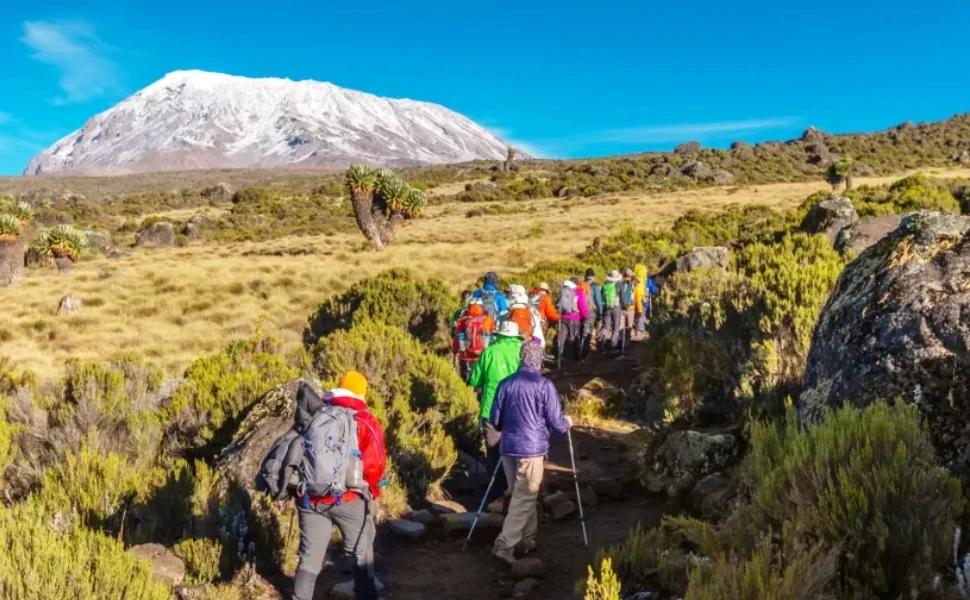
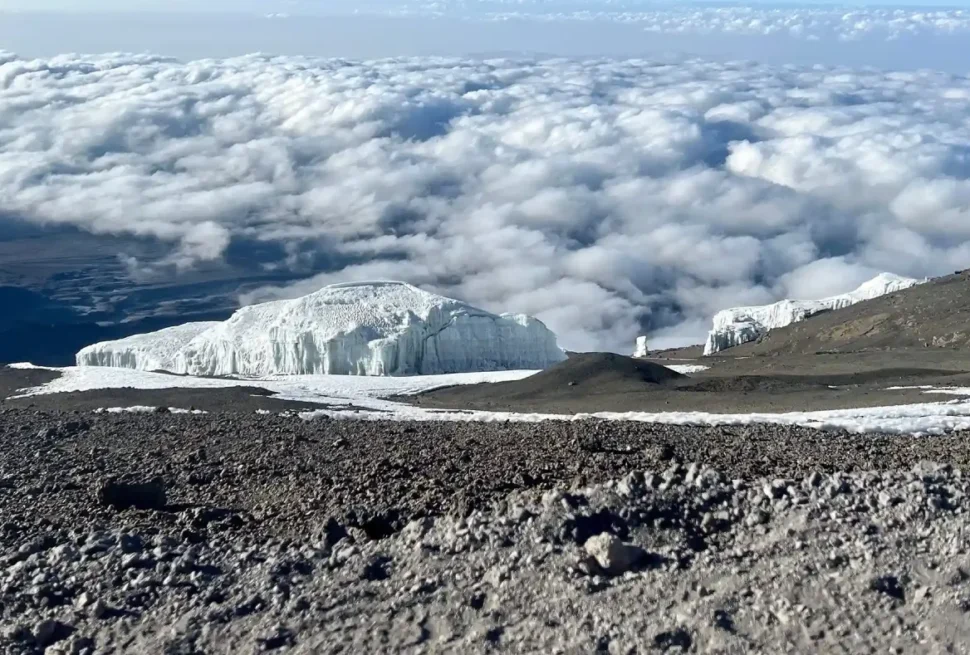
Summit night on Mount Kilimanjaro is the most challenging and rewarding part of the entire climb. It usually begins around midnight, when climbers leave high camp and trek for several hours in freezing temperatures, darkness, and thin air to reach Uhuru Peak at 5,895 meters (19,341 feet). Because this is the hardest stage of the climb, understanding summit night safety tips is essential for a successful and safe ascent.
Why Summit Night Is the Most Challenging
Summit night combines several risk factors at once:
- Extreme cold
- Low oxygen levels
- Steep, loose terrain
- Physical exhaustion
- Long hours of continuous hiking
Most altitude sickness symptoms also appear or worsen during this phase, making safety awareness critical.
Dress Properly for Extreme Cold
One of the most important safety factors on summit night is proper clothing. Temperatures can drop well below freezing, with wind chill making it feel even colder.
Key clothing tips include:
- Wear multiple insulated layers rather than one heavy jacket
- Use a down or synthetic insulated jacket
- Protect hands with insulated gloves and mittens
- Wear a warm hat and neck gaiter
- Use thermal socks and insulated boots
Staying warm helps conserve energy and reduces the risk of hypothermia.
Maintain a Slow and Steady Pace
Guides emphasize the famous Swahili phrase “pole pole”, meaning slowly and steadily. Moving too fast increases fatigue and raises the risk of altitude sickness.
Safety pacing tips:
- Follow your guide’s rhythm
- Take short, controlled steps
- Avoid racing or competing with others
- Rest briefly but frequently
A slow pace improves oxygen efficiency and increases your chance of reaching the summit.
Stay Hydrated and Fueled
Cold temperatures suppress thirst, but dehydration worsens altitude sickness and fatigue.
On summit night:
- Sip water regularly, even if you don’t feel thirsty
- Use insulated water bottles to prevent freezing
- Eat high-energy snacks such as nuts, energy bars, or chocolate
Proper hydration and nutrition support endurance and mental focus.
Watch for Altitude Sickness Symptoms
Summit night is when AMS symptoms are most likely to appear.
Warning signs include:
- Severe headache
- Nausea or vomiting
- Dizziness or confusion
- Extreme fatigue
- Difficulty walking in a straight line
If symptoms worsen, guides may recommend resting, using supplemental oxygen, or descending immediately. Reaching the summit is optional; your health is not.
Use Proper Lighting and Footing
Climbing in darkness requires extra attention:
- Wear a reliable headlamp with fresh batteries
- Follow your guide closely
- Step carefully on loose scree sections
- Avoid sudden movements or rushing
Good visibility and cautious footing reduce the risk of slips and falls.
Listen to Your Guide at All Times
Guides play a crucial role in summit night safety. They monitor:
- Breathing patterns
- Walking pace
- Physical coordination
- Mental alertness
If a guide advises you to slow down, rest, or descend, it is always for your safety. Experienced guides know when conditions are no longer safe to continue.
Descend Carefully After the Summit
Many climbers assume the hardest part is over once the summit is reached, but descent accidents are common due to fatigue.
Safety tips for descent:
- Stay focused and alert
- Use trekking poles for balance
- Continue hydrating and eating
- Follow your guide’s instructions closely
Climb Safely with Tanzania Hiking
At Tanzania Hiking, summit night safety is our top priority. Our experienced guides are trained to manage altitude sickness, monitor climber health, and provide oxygen support when necessary.
For bookings and inquiries, contact
- info@tanzaniahiking.com
- WhatsApp +255 752213715 / +255 754557877.
Request a Quote for Your Kilimanjaro Adventure
Below this page, you’ll find a request-a-quote form. Simply share your preferred dates, route, and group size, and our team will prepare a customized itinerary and pricing details.