

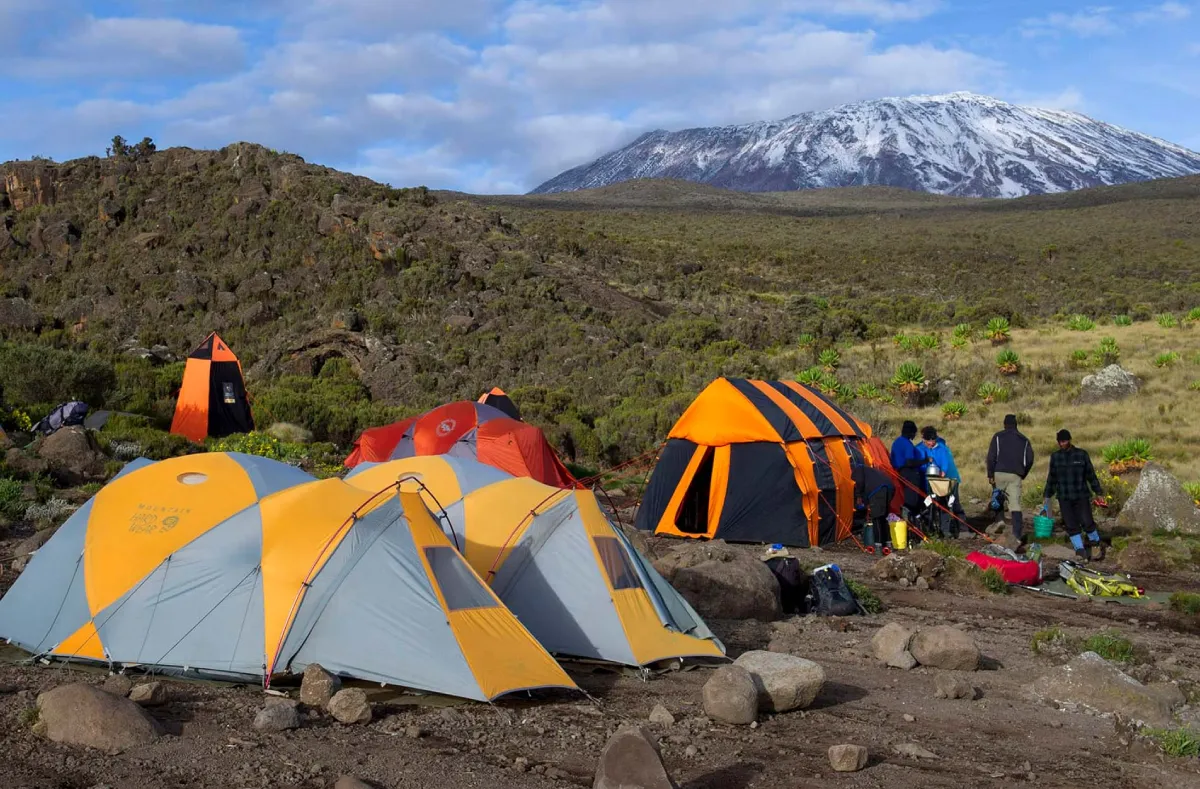
Kilimanjaro Rainy Season Explained: What Climbers Need to Know
Understanding the Kilimanjaro rainy season is essential when planning a Mount Kilimanjaro climb. While the mountain is open to trekkers throughout the year, rainfall patterns greatly affect trail conditions, visibility, comfort, and overall experience. The rainy season does not mean climbing is impossible, but it does require careful planning and realistic expectations.
This guide explains when the rainy seasons occur on Mount Kilimanjaro, how they impact climbing conditions, and whether trekking during these months is right for you.
Overview of Rainy Seasons on Mount Kilimanjaro
Mount Kilimanjaro experiences two distinct rainy seasons each year due to regional weather patterns.
- The long rainy season runs from March to May
- The short rainy season occurs in November
Rainfall mainly affects the lower and middle slopes, especially the rainforest zone, while higher elevations often remain colder and drier.
Long Rainy Season: March to May
The long rainy season is the wettest period on Mount Kilimanjaro. Rainfall is usually heaviest in April and early May, with frequent afternoon and evening showers.
Conditions During the Long Rains
During this season, trails can become muddy and slippery, especially in forested sections. Cloud cover is common, reducing visibility and limiting scenic views. Campsites may be damp, and humidity levels are higher at lower elevations.
Despite these challenges, the mountain remains open. Fewer climbers attempt the ascent during this time, resulting in quieter routes and a more peaceful trekking experience.
Who Should Consider Climbing in the Long Rains
The long rainy season is best suited for experienced hikers who are comfortable trekking in wet conditions. Budget-conscious travelers may also find this period appealing due to reduced demand and more flexible scheduling.
Short Rainy Season: November
The short rainy season in November is less intense and more unpredictable than the long rains. Rain showers tend to be brief and often occur in the afternoon or evening.
Conditions During the Short Rains
Trails are generally manageable, and many mornings remain clear. While clouds may form later in the day, summit conditions can still be favorable. Compared to the long rainy season, November offers better visibility and fewer disruptions.
This period is often chosen by climbers looking to avoid peak-season crowds while still enjoying reasonable weather.
Advantages of Climbing During the Rainy Season
Climbing Kilimanjaro during the rainy season has several potential benefits:
- Fewer climbers on the routes
- Lower overall costs
- Lush, green landscapes
- A more private and peaceful experience
For the right climber, these advantages can outweigh the drawbacks.
Challenges of the Rainy Season
Rain increases the risk of muddy trails, wet clothing, and limited views. Proper waterproof gear is essential, and flexibility is important in case weather conditions change. Good acclimatization and a steady pace remain critical regardless of season.
Best Routes During the Rainy Season
Some routes perform better than others during wet months due to terrain and drainage. Longer routes with gradual ascents allow better acclimatization and reduce the impact of weather-related delays. Choosing the right route and guide is especially important during the rainy season.
Plan Your Kilimanjaro Climb with Tanzania Hiking
At Tanzania Hiking, we carefully assess seasonal weather patterns and help you decide whether climbing during the rainy season is right for you. Our experienced guides ensure safety, comfort, and proper acclimatization throughout your journey.
For bookings and inquiries, contact
- Email: info@tanzaniahiking.com
- WhatsApp +255 752213715 / +255 754557877.
Request a Quote for Your Kilimanjaro Adventure
Below this page, you’ll find a request-a-quote form where you can share your travel dates, preferred route, and group size.


