

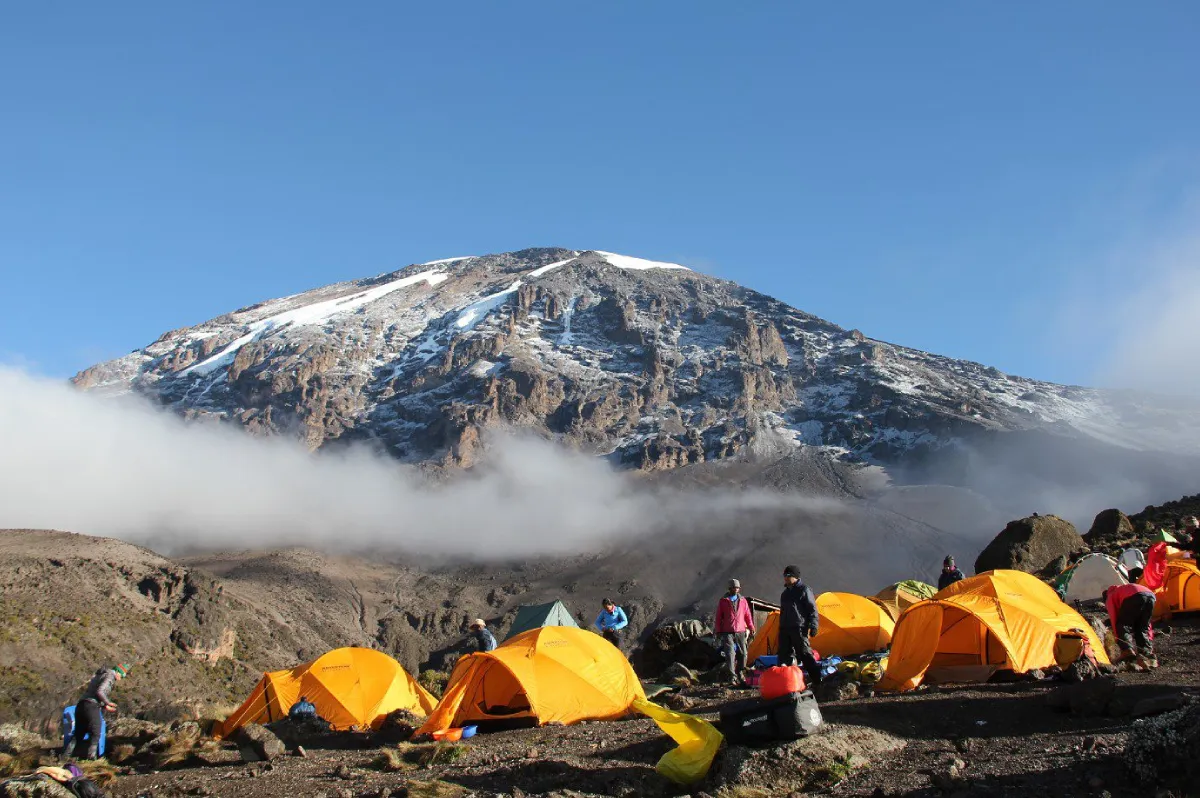
Tanzania Hiking Guide: Kilimanjaro Preparation Checklist
Climbing Mount Kilimanjaro is a once-in-a-lifetime adventure for hikers visiting Tanzania. At 5,895 meters, Africa’s highest peak requires careful preparation to ensure a safe and enjoyable trek. From physical training to packing the right gear, following a preparation checklist helps climbers stay organized, reduce stress, and increase the chances of a successful summit. This guide outlines the essential steps to prepare for a Kilimanjaro climb.
Physical Fitness Preparation
Physical conditioning is critical for handling long trekking days and steep ascents. Key steps include:
- Cardiovascular training: Running, cycling, swimming, or brisk walking three to five times per week to build endurance.
- Strength training: Focus on legs, core, and back with exercises such as squats, lunges, step-ups, planks, and weighted carries.
- Hiking practice: Simulate trekking conditions by hiking on trails with elevation gain, carrying a backpack to build stamina.
- Back-to-back hikes: Practice hiking two days in a row to replicate consecutive trekking days on Kilimanjaro.
Consistent training helps reduce fatigue and improves the likelihood of reaching the summit.
Altitude Acclimatization
Altitude is one of the biggest challenges on Kilimanjaro. Preparing your body for high elevation is essential:
- Choose a longer itinerary with gradual ascents to allow proper acclimatization.
- Practice hiking at moderate altitudes if possible.
- Maintain a steady pace during training hikes to simulate climbing conditions.
- Stay hydrated and avoid alcohol and excessive caffeine before and during the trek.
Proper acclimatization reduces the risk of altitude sickness and improves summit success.
Essential Gear and Clothing
Having the right gear ensures comfort and safety throughout the climb. Items to include:
- Sturdy hiking boots and moisture-wicking socks
- Layered clothing for varying temperatures, including thermal layers and insulated jackets
- Gloves, hats, and buffs for warmth
- Sleeping bag rated for cold temperatures
- Trekking poles for balance and support
- Headlamp and spare batteries
- Backpack for personal items and hydration
- Water bottles and a hydration system
Testing gear during training hikes is important to ensure everything fits and works properly.
Health and Nutrition
Maintaining health and energy is crucial on Kilimanjaro. Checklist items include:
- Travel vaccinations and necessary medications
- Altitude sickness remedies and consultation with a doctor
- High-energy snacks and electrolyte drinks for trekking
- Balanced meals during training to maintain strength and endurance
A focus on nutrition and hydration supports energy levels and reduces fatigue.
Mental Preparation
Mental readiness is just as important as physical fitness. Steps to prepare include:
- Setting realistic expectations for pace, weather, and conditions
- Visualizing the trek and summit success
- Practicing mindfulness or meditation to manage stress
- Breaking the climb into smaller goals to maintain motivation
- Preparing for discomfort, long days, and cold temperatures
Mental preparation improves resilience and helps climbers stay focused under challenging conditions.
Logistics and Planning
Organizing logistics ensures a smooth experience. Checklist items include:
- Selecting a reputable tour operator with experienced guides and porters
- Confirming park permits and fees
- Booking flights, accommodations, and transportation
- Budgeting for tips, gear, and unexpected expenses
- Preparing important documents such as passport, travel insurance, and emergency contacts
Planning in advance reduces stress and allows climbers to focus on the trek itself.
Final Thoughts
A Kilimanjaro preparation checklist is essential for a safe, comfortable, and successful climb. By focusing on physical fitness, altitude acclimatization, proper gear, health, mental readiness, and logistical planning, hikers can approach the mountain with confidence. Tanzania hiking enthusiasts who follow this checklist will maximize their chances of reaching Africa’s highest peak while enjoying every step of the journey.


