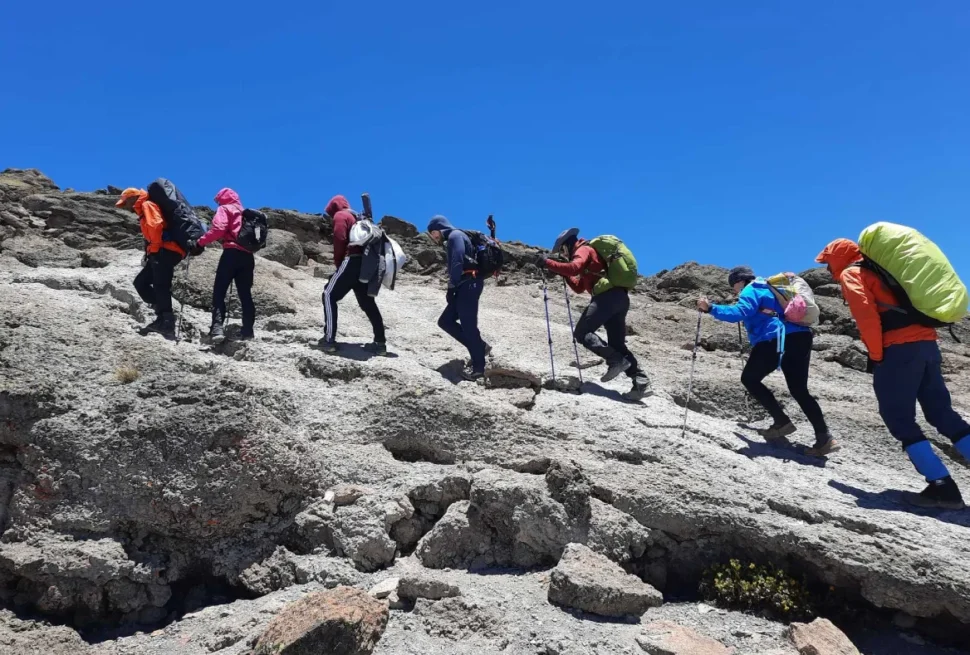


Kilimanjaro for Beginners: How to Climb Africa’s Highest Peak
Mount Kilimanjaro is one of the most iconic mountains in the world and a bucket-list adventure for many. If you’re a first-time climber, you may be asking: Can beginners climb Kilimanjaro? The answer is yes. Kilimanjaro is a trekking mountain, meaning no technical climbing skills are required. With proper preparation, guidance, and fitness, even beginners can successfully reach Uhuru Peak at 5,895 meters (19,341 feet).
Why Kilimanjaro is Beginner-Friendly
Unlike mountains that require technical climbing, Kilimanjaro is accessible to most people with moderate fitness levels. Key factors that make it beginner-friendly include:
- Non-technical terrain: No ropes, ice axes, or mountaineering skills needed
- Multiple route options: Routes vary in difficulty and length, suitable for all levels
- Professional support: Licensed guides and porters handle logistics and provide safety
Despite its accessibility, beginners must respect the challenges posed by high altitude, long trekking days, and cold summit conditions.
Choosing the Best Route for Beginners
Beginners should select routes that allow gradual acclimatization, increasing their chance of summit success and reducing altitude sickness risk. Recommended routes include:
- Lemosho Route (7–8 days): Longest and most scenic route, ideal for acclimatization
- Machame Route (7 days): Popular “Whiskey Route” with moderate difficulty
- Northern Circuit (8–9 days): Long route with excellent acclimatization and scenic variety
Shorter routes like Marangu (5 days) are less recommended for beginners due to rapid altitude gain.
Fitness Preparation for Beginners
Even though Kilimanjaro does not require technical climbing, physical preparation is essential. Beginners should focus on:
- Cardiovascular exercises: Walking, jogging, cycling, or swimming
- Strength training: Leg and core muscles for uphill and downhill trekking
- Endurance hikes: Practice long walks with a daypack to simulate trek conditions
- Stamina and pacing: Learn to walk slowly and steadily at altitude (“pole pole”)
A consistent training plan increases comfort, reduces fatigue, and improves overall safety.
Essential Tips for Beginners
To have a safe and enjoyable Kilimanjaro experience, beginners should:
- Climb with experienced guides: Professional teams monitor health, pace, and altitude sickness
- Dress appropriately: Layered clothing for temperature variations, insulated jacket for summit night
- Stay hydrated and eat well: Altitude and exertion increase fluid and energy needs
- Listen to your body: Don’t ignore symptoms of fatigue or altitude sickness
- Pack light but smart: Only essential gear and clothing
Beginners who follow these tips significantly increase their chances of a successful summit.
Safety and Medical Considerations
Altitude sickness is the main risk on Kilimanjaro, especially for first-timers. Guided climbs with Tanzania Hiking include:
- Daily health checks and monitoring for altitude sickness
- Supplemental oxygen and first aid equipment
- Emergency protocols for evacuation if necessary
Medical preparation and fitness assessments ensure beginners climb safely.
Book Your Kilimanjaro Adventure with Tanzania Hiking
At Tanzania Hiking, we specialize in helping beginners reach the summit safely and confidently. Our experienced guides provide support, pacing, and advice every step of the way.
For bookings and inquiries, contact
- info@tanzaniahiking.com
- WhatsApp +255 752213715 / +255 754557877.
Request a Quote for Your Kilimanjaro Adventure
Below this page, you’ll find a request-a-quote form. Share your preferred dates, route, and group size, and our team will prepare a customized itinerary with pricing details.