
Tanzania Hiking Guide: Kilimanjaro Day by Day Climb Breakdown
Climbing Mount Kilimanjaro is a once in a lifetime adventure and one of the most popular Tanzania hiking experiences. Standing at 5,895 meters above sea level, Kilimanjaro offers trekkers the opportunity to walk through multiple climate zones and reach the highest point in Africa without technical climbing skills. Understanding a typical day by day climb breakdown helps hikers prepare mentally and physically for the journey ahead.
This guide provides a general day by day overview of a standard seven to eight day Kilimanjaro climb, which is considered the safest and most successful option for most hikers.
Day One: Gate to Rainforest Camp
The climb begins at one of Kilimanjaro’s entry gates, depending on the route chosen. The first day involves trekking through lush rainforest filled with tall trees, ferns, and wildlife such as monkeys and birds. The trail is often muddy and humid, but the altitude gain is minimal.
This day is designed to ease hikers into the trek. The goal is to walk slowly, conserve energy, and adjust to carrying a day pack. Overnight is spent at a lower elevation camp surrounded by forest.
Day Two: Rainforest to Moorland Zone
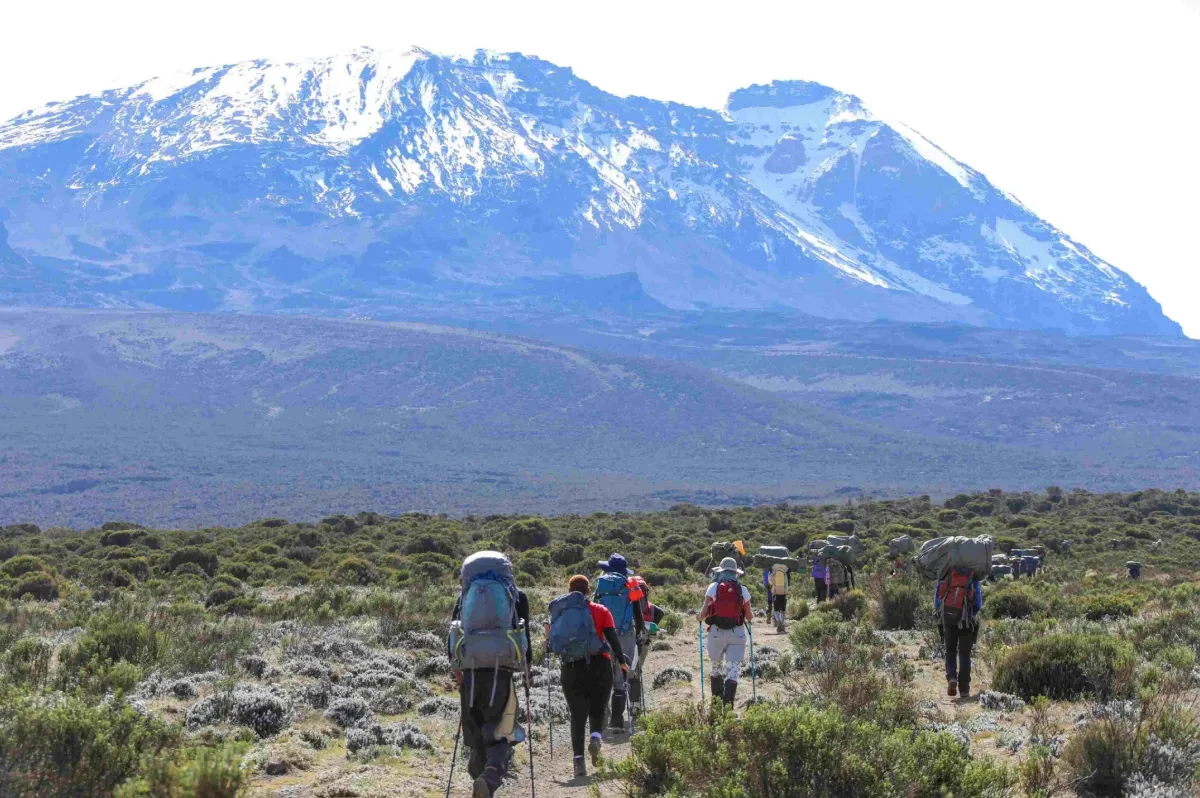
On the second day, hikers continue ascending as the forest begins to thin out. The landscape changes into heath and moorland, with open views and unique vegetation such as giant lobelias.
Temperatures begin to cool, and the air feels drier. The altitude becomes more noticeable, and hikers are encouraged to maintain a steady pace. Camps on this day are usually positioned to support acclimatization.
Day Three: Moorland to High Plateau
Day three focuses on gradual altitude gain and acclimatization. The trail often crosses wide plateaus and volcanic rock formations. Some routes include short acclimatization hikes to higher elevations before descending to camp.
This day is important for helping the body adjust to reduced oxygen levels. Hikers may begin to feel mild altitude symptoms, which is normal and expected.
Day Four: Acclimatization and Valleys
This day often involves hiking through scenic valleys or crossing ridges while maintaining a moderate elevation gain. Many itineraries follow the walk high and sleep low principle, which improves acclimatization.
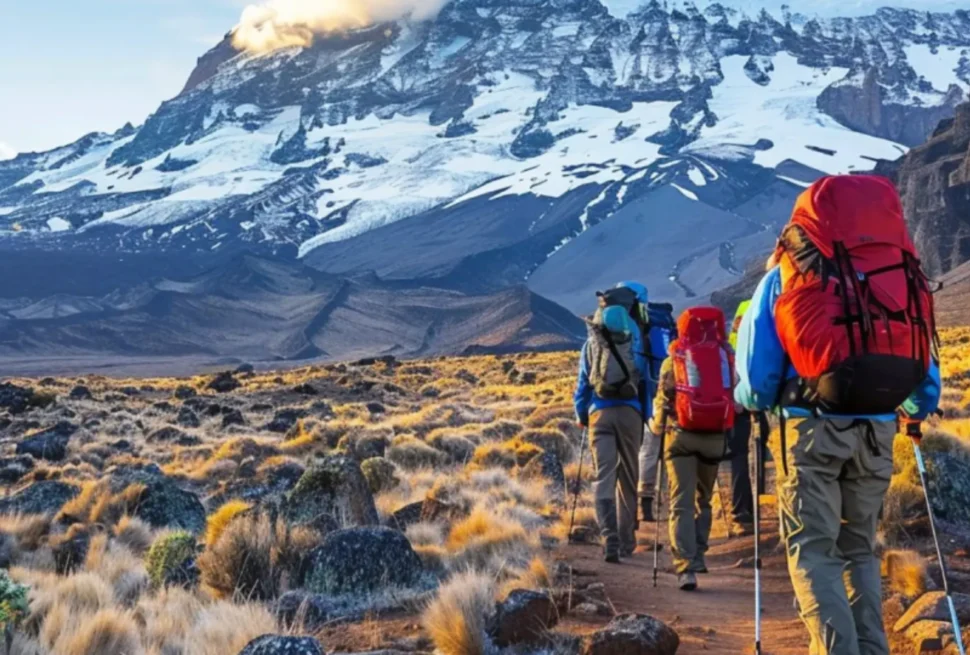
The landscape becomes more rugged, and views of the summit begin to dominate the horizon. Camps are located strategically to prepare hikers for higher altitude days ahead.
Day Five: Approach to High Camp
The terrain shifts into the alpine desert zone. Vegetation becomes sparse, and temperatures drop significantly, especially at night. The air is noticeably thinner, and movement requires more effort.
High camp is reached on this day, serving as the base for the summit attempt. Hikers eat an early dinner and rest, knowing that summit night begins around midnight.
Day Six: Summit Day and Descent
Summit day is the longest and most challenging day of the climb. Hikers wake around midnight and begin a slow ascent toward the summit under the stars. The trail is steep and cold, requiring mental determination and patience.
Reaching the summit at sunrise is an unforgettable moment. After a short rest and photos, hikers descend carefully to a lower camp, where oxygen levels are higher and recovery begins.
Day Seven: Final Descent to the Gate
The final day involves descending through moorland and forest back to the exit gate. The air becomes warmer, and energy levels return as altitude decreases.
At the gate, hikers receive summit certificates and celebrate completing one of Tanzania’s greatest hiking achievements.
Why a Day by Day Breakdown Matters
Understanding the daily progression of a Kilimanjaro climb helps hikers prepare for changing conditions, altitude challenges, and physical demands. It also highlights why longer itineraries are safer, as they allow more time for acclimatization and recovery.
Final Thoughts
A Kilimanjaro day by day climb breakdown shows that success on the mountain is not about speed, but about patience, preparation, and respect for altitude. Each day plays a vital role in helping hikers reach the summit safely.
For Tanzania hiking travelers, choosing a well paced itinerary and understanding what each day involves leads to a more enjoyable and successful Kilimanjaro experience.