
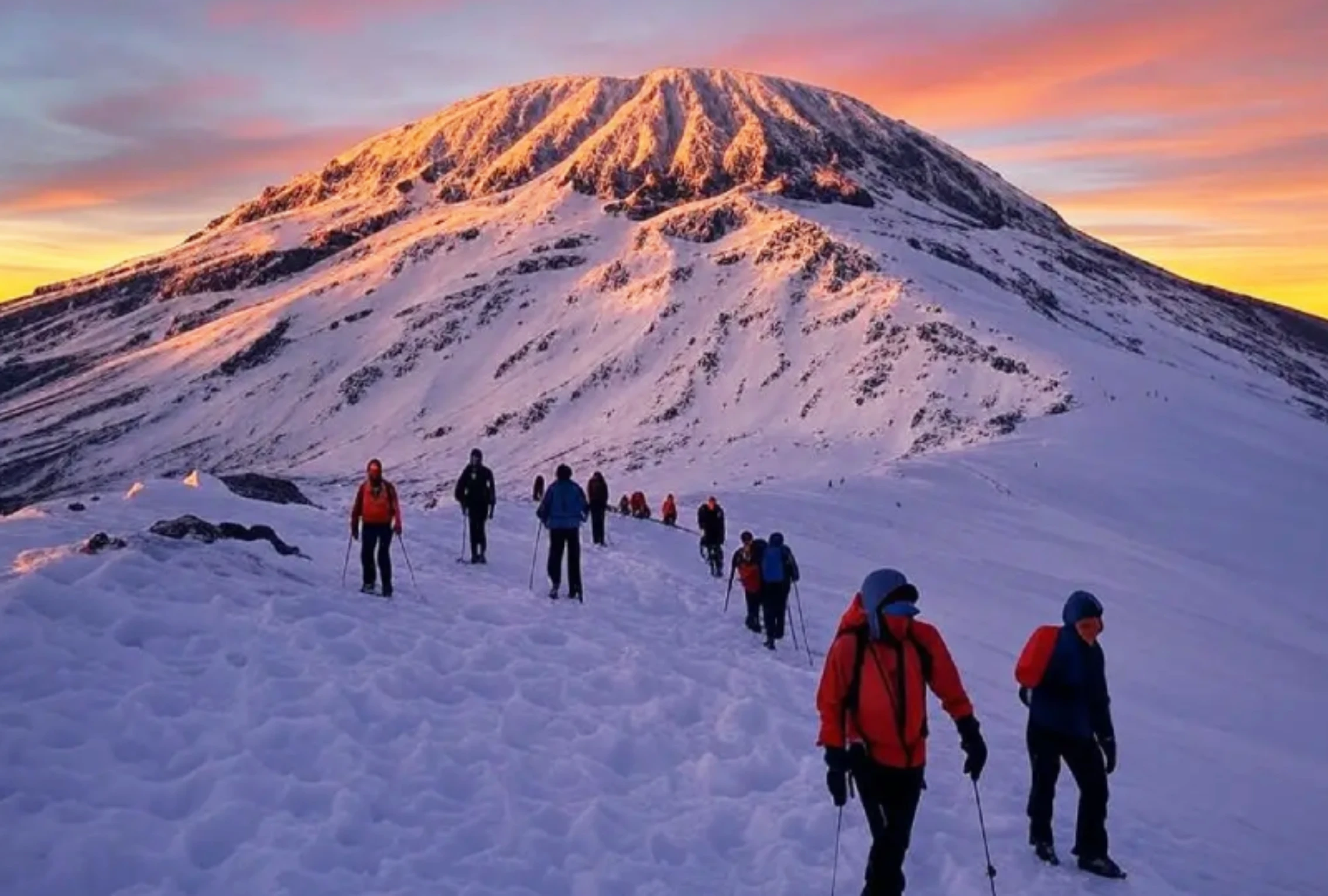
Climbing Mount Kilimanjaro is a dream for many travelers, but understanding the costs, permits, and fees is essential for planning a successful climb. These expenses cover park access, guides, porters, equipment, and other logistical requirements. This guide breaks down everything you need to know about the financial side of a Kilimanjaro trek.
Kilimanjaro Park Fees and Permits
All climbers must pay Kilimanjaro National Park fees and obtain permits before starting the trek. Fees vary depending on nationality and route length:
- Park Entry Fee: Covers access to Kilimanjaro National Park and maintenance of trails.
- Camping/Hut Fees: Depending on your route, fees cover overnight stays at campsites or huts.
- Rescue and Conservation Fees: Small contributions support search and rescue operations and conservation efforts.
For international travelers, park fees are generally higher than for Tanzanian nationals. The fees must be paid through a licensed operator who organizes the climb.
Guide and Porter Fees
Hiring licensed guides and porters is mandatory for all Kilimanjaro treks. They provide safety, navigation, meals, and equipment support. Typical costs include:
- Lead Guide: Experienced in altitude management and route navigation.
- Assistant Guides and Porters: Carry equipment, set up camps, and support hikers.
- Cook and Kitchen Staff: Prepare meals on multi-day climbs.
These fees are usually included in organized trekking packages and ensure both safety and a positive experience.
Equipment and Gear Costs
While some operators provide shared tents, cooking gear, and sleeping mats, hikers are responsible for personal equipment. Typical gear expenses include:
- Hiking boots and trekking shoes
- Warm layered clothing and jackets
- Sleeping bags rated for cold temperatures
- Trekking poles, gloves, and hats
- Water bottles and hydration systems
Proper personal gear is essential for comfort, safety, and summit success.
Average Kilimanjaro Trekking Costs
Costs vary depending on the route, duration, season, and level of service. On average, a 6–8 day trek with a reputable operator costs between $1,500 to $3,000 USD per person. This usually includes:
- Park fees and permits
- Licensed guides and porters
- Meals and camping or hut accommodation
- Equipment logistics and porter support
Luxury or private expeditions, longer routes, and high-season climbs may increase the cost.
Tips to Manage Kilimanjaro Costs
- Book with Licensed Operators: Ensure park fees and permits are included to avoid extra charges.
- Choose the Right Route and Duration: Longer routes improve acclimatization but may slightly increase costs.
- Plan Gear Ahead: Renting or purchasing essential gear locally can be more cost-effective than buying internationally.
- Budget for Tips: Tipping guides, porters, and cooks is customary and reflects the quality of service.
Final Thoughts
Understanding Kilimanjaro climbing costs, permits, and park fees helps first-time climbers budget properly and avoid surprises. By booking through licensed operators and planning ahead, you can focus on the adventure while staying safe and compliant with park regulations.
For detailed Kilimanjaro cost breakdowns, route guidance, and trekking packages, contact us:
- Email: info@tanzaniahiking.com
- Call / WhatsApp: +255 752 213 715 / +255 754 557 877
Use the enquiry form below to request a quote and receive professional support for planning your Kilimanjaro climb, including permits and park fees.