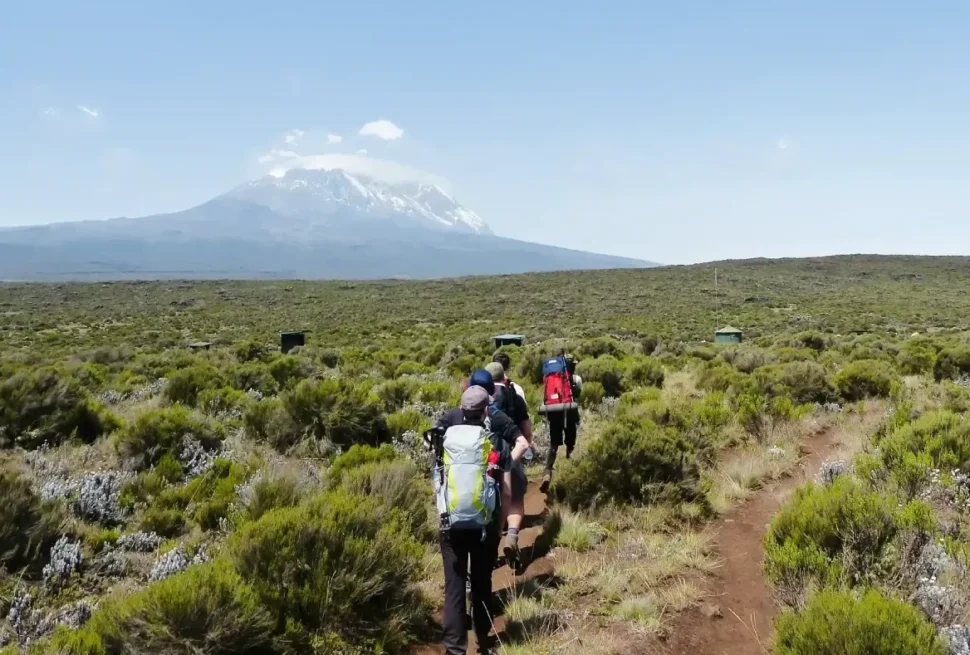


Tanzania Hiking Guide: Kilimanjaro Altitude Training Tips
Climbing Mount Kilimanjaro is a bucket-list adventure for hikers visiting Tanzania. As Africa’s highest peak at 5,895 meters, it presents not only a physical challenge but also an altitude challenge. High elevation can lead to altitude sickness if climbers are not properly prepared. Altitude training is an essential part of Kilimanjaro preparation and can help hikers adapt to thinner air, improve endurance, and increase the chances of a safe and successful summit.
Understanding Altitude and Its Effects
Altitude refers to the height above sea level, and as elevation increases, the amount of oxygen in the air decreases. On Kilimanjaro, oxygen levels drop significantly at higher camps, making the body work harder to breathe and perform physical tasks. Common symptoms of altitude sickness include headaches, nausea, dizziness, and fatigue. Severe cases can be life-threatening if ignored. Understanding the effects of altitude is the first step in preparing for the climb.
Gradual Acclimatization
One of the most effective ways to train for altitude is gradual acclimatization. Climbers should choose itineraries that allow a slow ascent with extra rest days. Longer routes give the body time to adjust to decreasing oxygen levels. Hikers can practice acclimatization techniques at lower elevations before the climb, such as hiking in hilly or mountainous areas and spending nights at moderate altitudes to help the body adapt.
Cardiovascular and Endurance Training
Altitude training is closely linked to cardiovascular fitness. Strong lungs and heart improve oxygen efficiency and help the body cope with thin air. Recommended exercises include:
- Running or jogging at moderate intensity to strengthen the cardiovascular system
- Cycling, which builds leg endurance and aerobic capacity
- Swimming, which improves lung capacity and overall stamina
- Hiking on trails with elevation gain to simulate trekking conditions
Cardio training should be consistent for several weeks before the climb, with gradually increasing duration and intensity.
High-Altitude Training Alternatives
For hikers who do not live at high elevation, several methods can help the body adjust:
- Stair climbing or treadmill incline training to mimic uphill trekking
- Weighted backpack hikes to simulate carrying gear at altitude
- Hypoxic or altitude masks for controlled breathing exercises, which can help improve lung efficiency
- Weekend hikes in mountainous regions to gain real exposure to higher elevation
These alternatives help the body prepare for the oxygen demands on Kilimanjaro.
Strength and Core Training
Strong legs and core muscles are essential for carrying a backpack and maintaining stability on uneven terrain at altitude. Exercises such as squats, lunges, step-ups, and planks improve muscular endurance. Strength training complements cardiovascular preparation and reduces fatigue during long trekking days at higher elevations.
Hydration and Nutrition
Proper hydration and nutrition play a critical role in altitude adaptation. Dehydration can worsen altitude sickness, so climbers should drink plenty of water and consume electrolyte-rich fluids. A diet high in complex carbohydrates provides sustained energy for long trekking days. Practicing hydration and nutrition strategies during training helps prepare the body for the climb.
Mental Preparation for High Altitude
Altitude also challenges mental resilience. Fatigue, slower progress, and reduced oxygen can affect focus and motivation. Hikers should prepare mentally by:
- Setting realistic expectations about pace and effort
- Practicing mindfulness or breathing techniques during training
- Visualizing summit success while acknowledging challenges
Mental preparation increases confidence and helps climbers handle the demands of high-altitude trekking.
Final Thoughts
Altitude training is a crucial part of preparing for a Kilimanjaro climb. Gradual acclimatization, cardiovascular fitness, strength training, high-altitude simulations, proper hydration, and mental preparation all help the body adapt to thinner air. By incorporating these training tips, Tanzania hiking enthusiasts can reduce the risk of altitude sickness, improve endurance, and increase the likelihood of a successful and enjoyable summit of Africa’s highest peak.