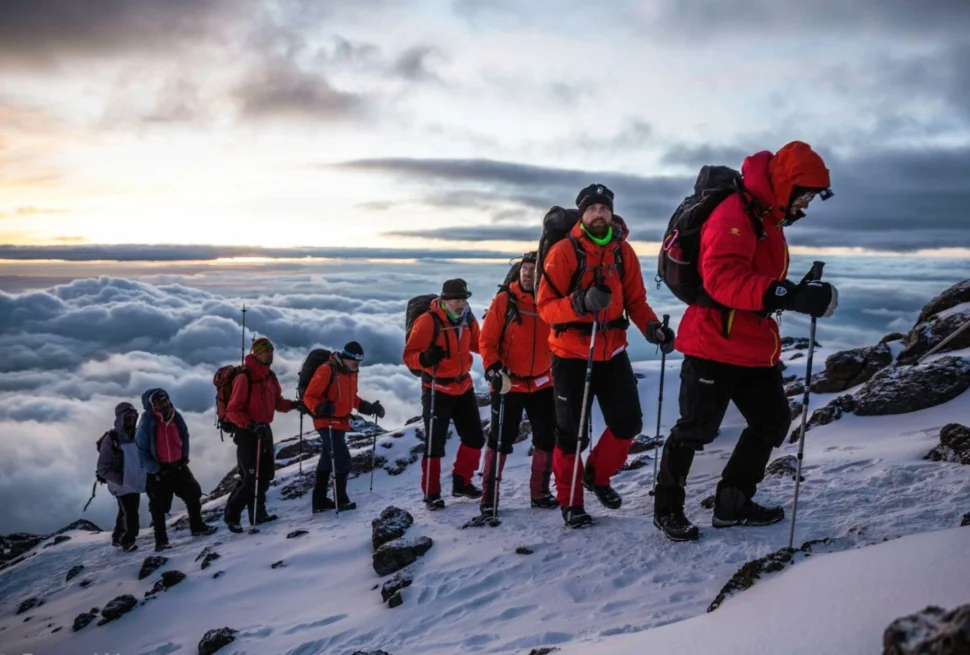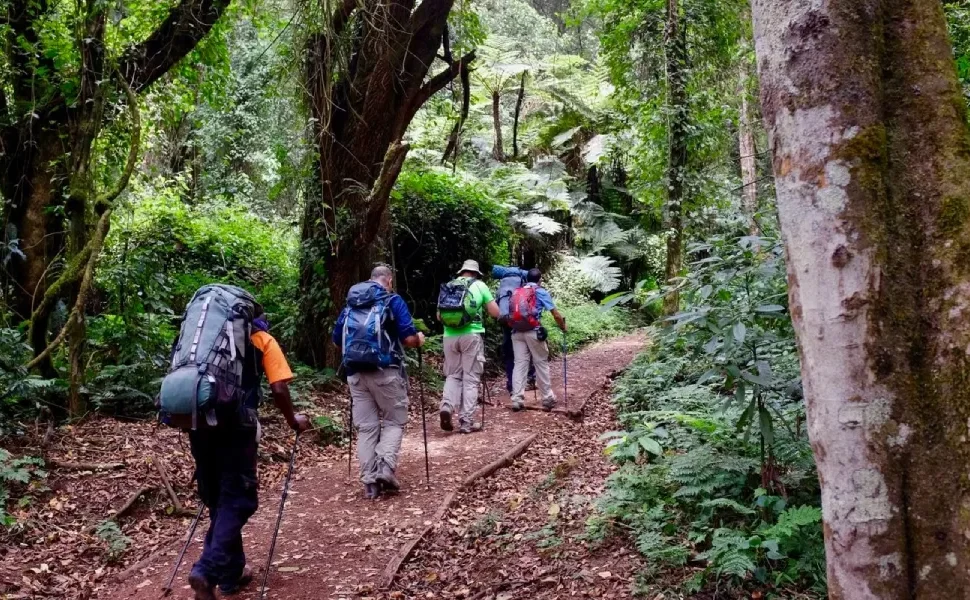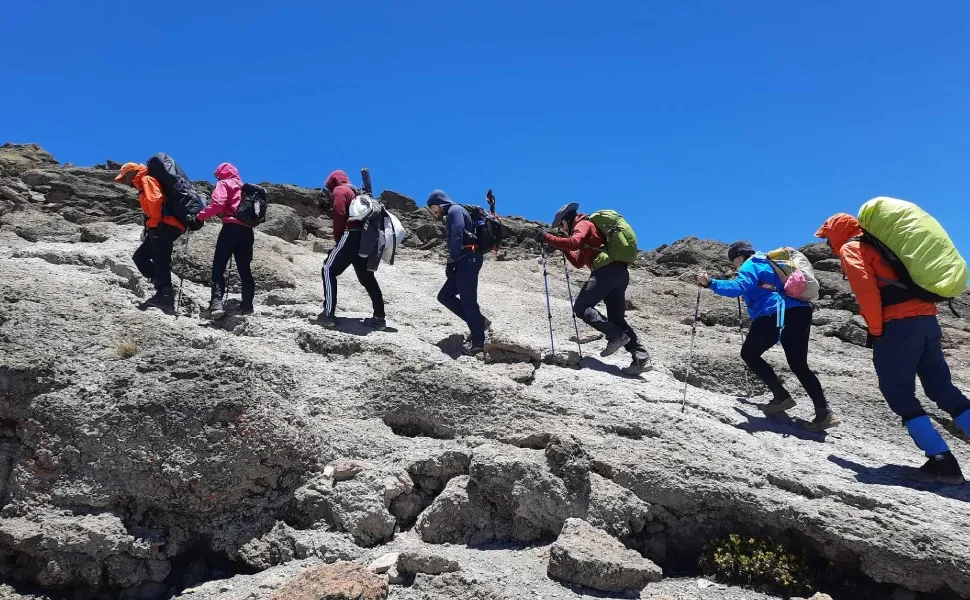

Climbing Mount Kilimanjaro is a thrilling adventure, but the high altitude presents one of the biggest challenges for trekkers: altitude sickness. At 5,895 meters (19,341 feet), the oxygen level at the summit is nearly half of what it is at sea level. Understanding altitude sickness and how to prevent it is critical for a safe and successful climb.
Tanzania Hiking has created this complete 2026 guide to help you recognize, prevent, and manage altitude sickness while trekking Kilimanjaro.
What is Altitude Sickness?
Altitude sickness, also known as Acute Mountain Sickness (AMS), occurs when your body cannot adjust quickly enough to low oxygen levels at high altitudes. Symptoms can range from mild discomfort to life-threatening conditions.
Common Symptoms
Symptoms of altitude sickness can appear at elevations above 2,500 meters and may include:
- Headache
- Nausea and vomiting
- Dizziness or lightheadedness
- Fatigue and weakness
- Loss of appetite
- Trouble sleeping
If symptoms worsen, more serious conditions can develop:
- High Altitude Pulmonary Edema (HAPE): Fluid in the lungs causing shortness of breath, persistent cough, and chest tightness.
- High Altitude Cerebral Edema (HACE): Brain swelling causing confusion, loss of coordination, or hallucinations.
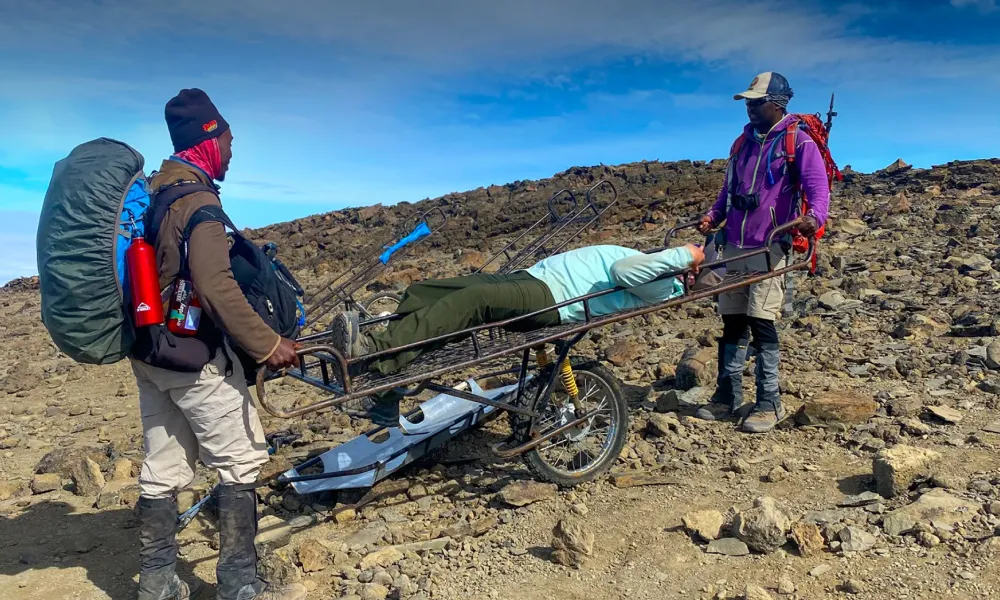
Important: Immediate descent is necessary for severe symptoms.
How to Prevent Altitude Sickness
Prevention is better than cure. These strategies improve your chances of reaching the summit safely:
1. Choose a Longer Itinerary
Longer routes (7–9 days) allow gradual acclimatization. Popular options include:
- Lemosho Route (7–8 days)
- Northern Circuit (8–9 days)
2. Climb “Pole Pole” (Slowly)
Walking slowly reduces stress on your body and gives it time to adjust to altitude.
3. Stay Hydrated
Drink at least 3–4 liters of water per day to support circulation and acclimatization.
4. Avoid Alcohol and Smoking
Both impair your body’s ability to acclimatize.
5. Use Medication (if prescribed)
Some climbers use acetazolamide (Diamox) to help prevent altitude sickness. Consult a doctor before your trek.
Acclimatization Tips
- Take rest days when possible, especially on longer routes.
- Sleep lower than you climb during the day when possible.
- Eat high-carbohydrate meals to maintain energy levels.
- Pay attention to your body and inform your guide immediately if you feel unwell.
Why Professional Guides Matter
Experienced mountain guides monitor climbers’ oxygen levels and watch for early signs of altitude sickness. They make critical decisions about pacing, rest, and emergency descent if needed.
At Tanzania Hiking, your safety is our priority. Our guides:
- Monitor health daily
- Adjust itinerary for acclimatization
- Carry oxygen and first aid equipment
- Ensure ethical treatment of porters and climbers
- Email: info@tanzaniahiking.com
- WhatsApp: +255 752213715 / +255754557877
Request a Quote for Your Kilimanjaro Trek
Planning a safe climb starts with professional guidance. Fill out the form below to request a personalized 2026 Kilimanjaro quote. Include your preferred route, travel dates, and group size.