

Kilimanjaro Acclimatization Rules: How to Climb Safely to the Summit
Climbing Mount Kilimanjaro is an incredible adventure, but high altitude presents real challenges. Proper acclimatization is essential for a safe and successful summit. Without it, climbers risk altitude sickness, fatigue, and in severe cases, life-threatening complications. Understanding and following the Kilimanjaro acclimatization rules dramatically increases your chances of reaching Uhuru Peak at 5,895 meters (19,341 feet).
Why Acclimatization Matters
Kilimanjaro’s altitude exposes climbers to lower oxygen levels, which can affect the body’s ability to function efficiently. Acclimatization allows your body to adjust gradually by:
- Increasing red blood cell production
- Improving oxygen transport to tissues
- Reducing the risk of Acute Mountain Sickness (AMS)
Following acclimatization rules helps ensure a safer, more comfortable climb with higher summit success rates.
Key Kilimanjaro Acclimatization Rules
1. Climb Slowly – “Pole Pole”
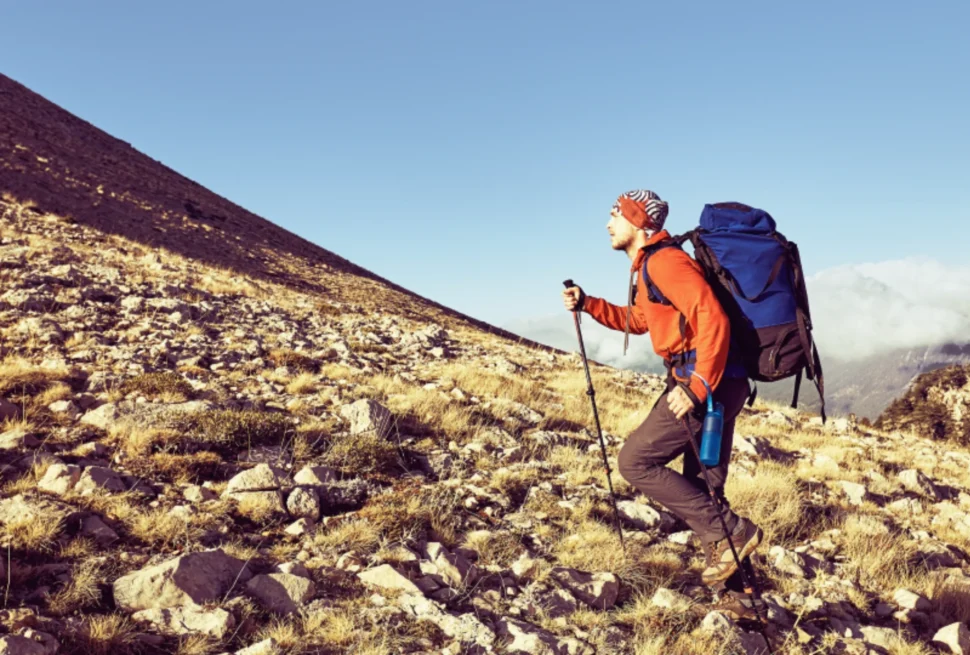
One of the most important rules is to walk slowly. Kilimanjaro guides often emphasize the Swahili phrase “pole pole”, meaning “slowly, slowly.” A steady pace reduces oxygen demand, helps the body adjust, and prevents fatigue.
2. Spend Extra Days on Longer Routes
Longer itineraries improve acclimatization. Popular routes like Lemosho, Machame, and Northern Circuit often last 6–8 days, giving your body more time to adapt to increasing altitude. Shorter 5-day climbs may increase the risk of altitude sickness, even for fit climbers.
3. Follow the “Climb High, Sleep Low” Principle
When possible, ascend to a higher camp during the day and descend to a lower camp to sleep. This method encourages acclimatization while reducing the risk of AMS.
4. Hydrate Frequently
Proper hydration is essential. Climbers should aim for 3–4 liters of water daily. Dehydration can worsen the effects of altitude sickness, making acclimatization less effective.
5. Rest and Sleep Well
Allow your body to rest each day. Avoid overexertion and get adequate sleep at camp. Poor rest can hinder acclimatization and increase susceptibility to AMS.
6. Recognize and Respect Your Limits
If you experience symptoms such as headaches, nausea, dizziness, or shortness of breath, do not ignore them. Rest, hydrate, and descend if necessary. Pushing too hard can lead to serious complications like HAPE or HACE.
7. Avoid Alcohol and Smoking
Alcohol and smoking reduce oxygen absorption and impair acclimatization. Avoid these substances before and during the climb to improve your body’s adjustment to altitude.
8. Nutrition Matters
Eat light, balanced meals that are easy to digest. High-carbohydrate foods provide energy and support acclimatization. Avoid heavy, greasy meals that strain your digestive system.
Why Guided Climbs Enhance Acclimatization
Experienced guides, like those at Tanzania Hiking, are trained to:
- Monitor climbers for early signs of altitude sickness
- Adjust pace, route, and camp schedules for optimal acclimatization
- Advise on hydration, nutrition, and rest
- Implement emergency protocols if necessary
Following professional guidance is the safest way to reach the summit without altitude complications.
Book Your Kilimanjaro Climb with Tanzania Hiking
At Tanzania Hiking, we design itineraries that follow all acclimatization rules, giving climbers the best chance of a safe and successful summit. Our guides monitor your health and ensure proper pacing, hydration, and rest throughout the journey.
For bookings and inquiries, contact
- info@tanzaniahiking.com
- WhatsApp +255 752213715 / +255 754557877.
Request a Quote for Your Kilimanjaro Adventure
Below this page, you’ll find a request-a-quote form. Share your preferred travel dates, route, and group size, and our team will provide a personalized itinerary and detailed pricing tailored to your needs.