

Is Kilimanjaro Dangerous? What You Need to Know Before You Climb
Mount Kilimanjaro is one of the most famous mountains in the world and attracts thousands of climbers every year. A common question many travelers ask before booking is: Is Kilimanjaro dangerous? The honest answer is that Kilimanjaro is not inherently dangerous when climbed with proper preparation, experienced guides, and realistic expectations. However, like any high-altitude mountain, it does carry risks that climbers must understand and respect.
This guide explains the real dangers of climbing Kilimanjaro, how common they are, and how they can be minimized.
Understanding the Main Risks on Kilimanjaro
Mount Kilimanjaro rises to 5,895 meters (19,341 feet), making altitude the primary challenge rather than technical climbing difficulty. The mountain does not require ropes, mountaineering skills, or prior climbing experience, but the height introduces specific risks.
Altitude Sickness
The most significant risk on Kilimanjaro is altitude sickness, also known as Acute Mountain Sickness (AMS). Reduced oxygen levels at high elevations can cause headaches, nausea, dizziness, fatigue, and shortness of breath. In rare cases, severe forms such as HAPE or HACE can occur.
Altitude sickness is manageable and largely preventable by:
- Choosing longer routes
- Climbing slowly
- Staying hydrated
- Listening to your guide
Extreme Weather and Cold
Weather conditions on Kilimanjaro change rapidly due to its multiple climate zones. While the lower slopes can be warm, summit temperatures often drop well below freezing, especially at night. Wind chill can make conditions feel even colder.
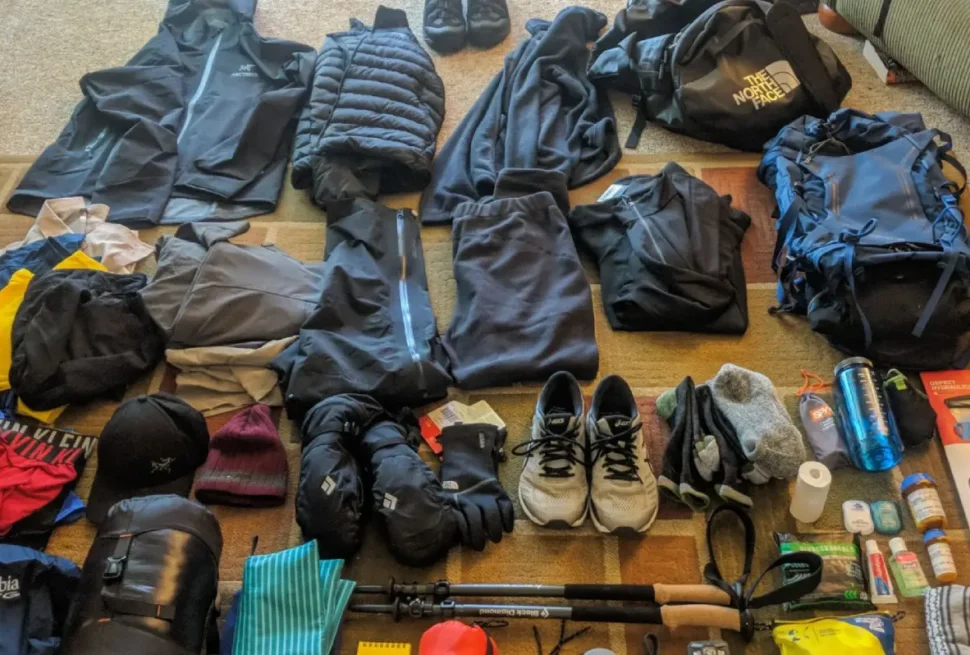
Proper clothing, layering, and equipment are essential to avoid cold-related issues such as hypothermia or frostbite.
Physical Exhaustion
Climbing Kilimanjaro involves multiple days of trekking at altitude, often for 6–8 hours per day. Fatigue is common, especially during summit night, which typically begins around midnight and involves several hours of steep ascent.
Good physical preparation and mental resilience significantly reduce this risk.
Is Kilimanjaro Technically Dangerous?
Kilimanjaro is considered a trekking peak, not a technical mountain. There are no vertical climbs, glaciers to cross, or technical ropes required on standard routes. Falls, avalanches, and rock climbing hazards are extremely rare.
The danger lies primarily in altitude and poor preparation rather than terrain.
How Safe is Kilimanjaro with a Guide?
Climbing with a licensed, experienced guide dramatically reduces risks. Professional guides:
- Monitor climbers for altitude sickness
- Control walking pace and rest breaks
- Adjust itineraries when needed
- Carry emergency equipment and oxygen
- Ensure safe descent if conditions require
With the right support, Kilimanjaro is considered one of the safest high-altitude mountains in the world.
Who Should Be Cautious About Climbing Kilimanjaro?
Kilimanjaro is achievable for many people, but extra caution is needed if you:
- Choose very short itineraries
- Ignore symptoms of altitude sickness
- Overestimate your fitness
- Climb without professional support
Proper planning makes a huge difference in safety.
How Tanzania Hiking Keeps Climbers Safe
At Tanzania Hiking, safety is our top priority. We design climbs that follow proven acclimatization principles and are led by experienced local guides trained in altitude awareness and emergency response.
Our team focuses on:
- Gradual ascent and proper pacing
- Daily health checks
- High-quality equipment and support
- Clear communication throughout the climb
Book Your Kilimanjaro Climb with Tanzania Hiking
If you’re wondering whether Kilimanjaro is dangerous, the key takeaway is this: the mountain is safe when climbed responsibly. Choosing the right route, the right timing, and the right guide makes all the difference.
For bookings and inquiries, contact
- Email: info@tanzaniahiking.com
- WhatsApp +255 752213715 / +255 754557877.
Request a Quote for Your Kilimanjaro Adventure
Below this page, you’ll find a request-a-quote form. Share your travel dates, route preference, and group size, and our team will provide a customized itinerary and detailed pricing.