
Tanzania Hiking Guide: Is a 5 Day Kilimanjaro Climb Safe
Climbing Mount Kilimanjaro is one of the most rewarding hiking experiences in Tanzania. Rising to 5,895 meters above sea level, Kilimanjaro attracts adventurers from around the world who dream of reaching the roof of Africa. One of the most common questions asked by travelers planning their trek is whether a five day Kilimanjaro climb is safe. While shorter itineraries may appear appealing due to time and cost savings, safety and success on Kilimanjaro depend largely on how well the body adapts to altitude.
This guide explores the safety of a five day Kilimanjaro climb, the risks involved, and better alternatives for Tanzania hiking enthusiasts.
Understanding the Main Challenge on Kilimanjaro
Mount Kilimanjaro is a non technical mountain, meaning no climbing skills are required. However, altitude is the greatest challenge. As hikers ascend above 3,000 meters, oxygen levels decrease significantly, making acclimatization essential.
A five day climb involves rapid altitude gain with limited time for the body to adjust. This is the primary reason why safety concerns arise with shorter itineraries.
What a 5 Day Kilimanjaro Climb Involves
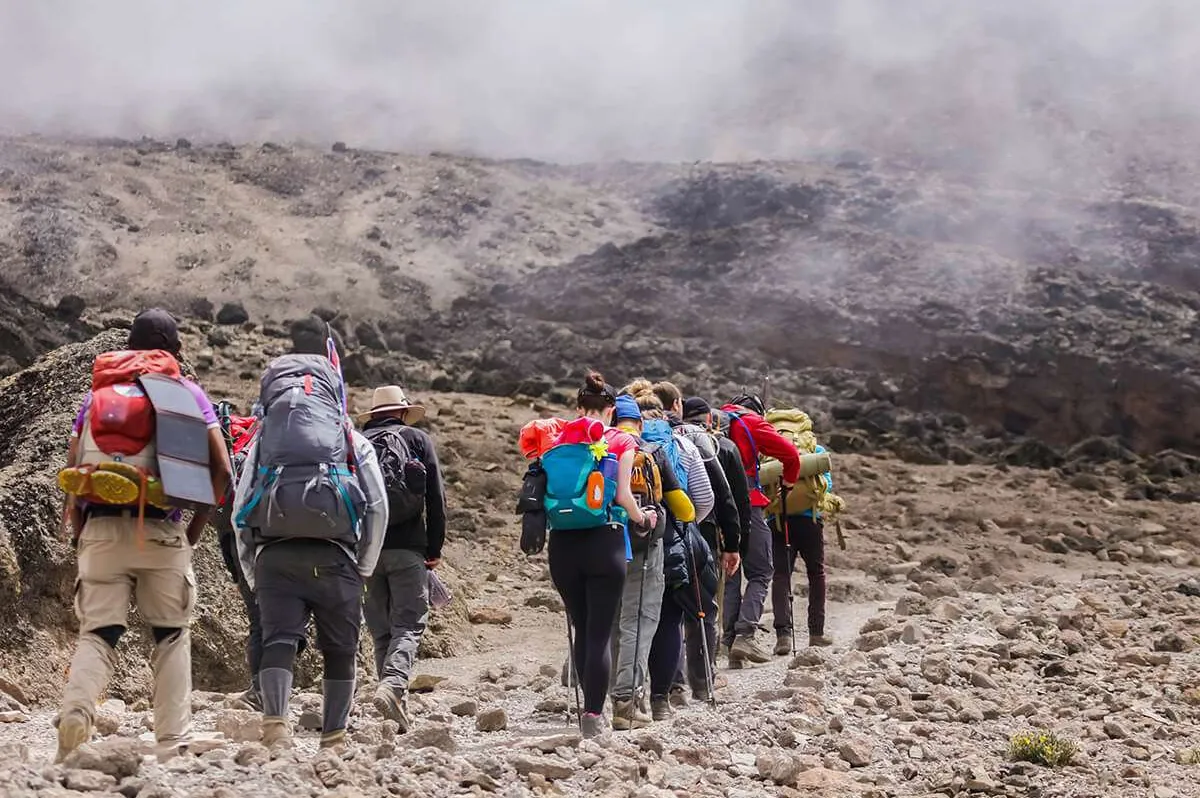
A typical five day itinerary includes long daily hikes and steep elevation gains. Hikers often move quickly from rainforest to alpine desert within just a few days. Summit day usually begins after only a short period at high altitude, increasing physical and mental stress.
Most five day climbs are offered on routes such as Marangu or Machame with shortened schedules. While these routes do reach the summit, they provide minimal acclimatization time.
Risks Associated With a 5 Day Climb
The main risk of a five day Kilimanjaro climb is altitude sickness. Symptoms may include headaches, nausea, dizziness, fatigue, and shortness of breath. In more severe cases, climbers may experience serious altitude related conditions that require immediate descent.
Due to the rapid ascent, summit success rates on five day climbs are generally lower than on longer itineraries. Many hikers are forced to turn back before reaching Uhuru Peak, not because of lack of fitness, but because their bodies cannot adapt quickly enough.
Is a 5 Day Kilimanjaro Climb Ever Safe
A five day climb can be completed safely by a small group of hikers, particularly those with prior high altitude experience. Climbers who have previously trekked above 4,000 meters and understand their physical limits may tolerate a faster ascent.
Even so, experienced Tanzania hiking guides generally agree that five days is the minimum possible time, not the recommended time. Safety margins are reduced, and the risk of failure remains high.
Safer Alternatives for Tanzania Hiking
For most hikers, extending the climb by one or two days dramatically improves safety and enjoyment. Six or seven day itineraries allow for better acclimatization and higher summit success rates.
Routes such as Lemosho, Machame with extra days, and the Northern Circuit are designed to increase altitude gradually. These options provide more rest, better adaptation, and a more scenic experience.
Tips to Reduce Risk on a Short Climb
If a five day itinerary is the only option available, there are ways to reduce risk. Walk slowly at all times, even if the pace feels easy. Drink plenty of water and eat regularly. Communicate openly with your guide about any symptoms. Be mentally prepared to descend if necessary.
Choosing a reputable operator with experienced guides and proper safety equipment is essential.
Final Thoughts
So, is a five day Kilimanjaro climb safe. While it is possible, it is not the safest choice for most climbers. The rapid ascent increases the risk of altitude sickness and lowers the chances of reaching the summit.
For Tanzania hiking travelers seeking a safe, successful, and enjoyable Kilimanjaro experience, longer itineraries remain the best option. Taking more time on the mountain not only improves safety but also enhances the overall adventure of climbing Africa’s highest peak.