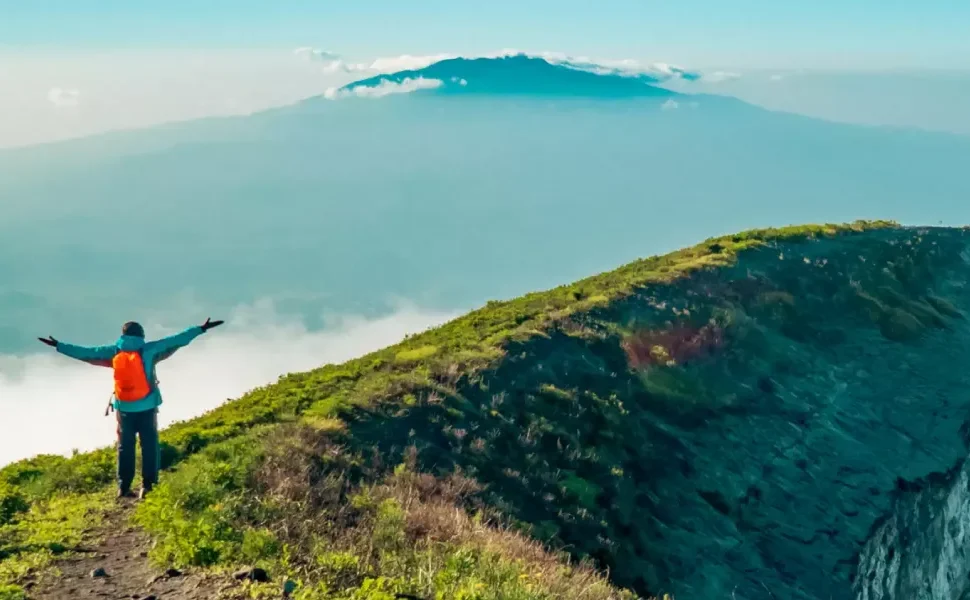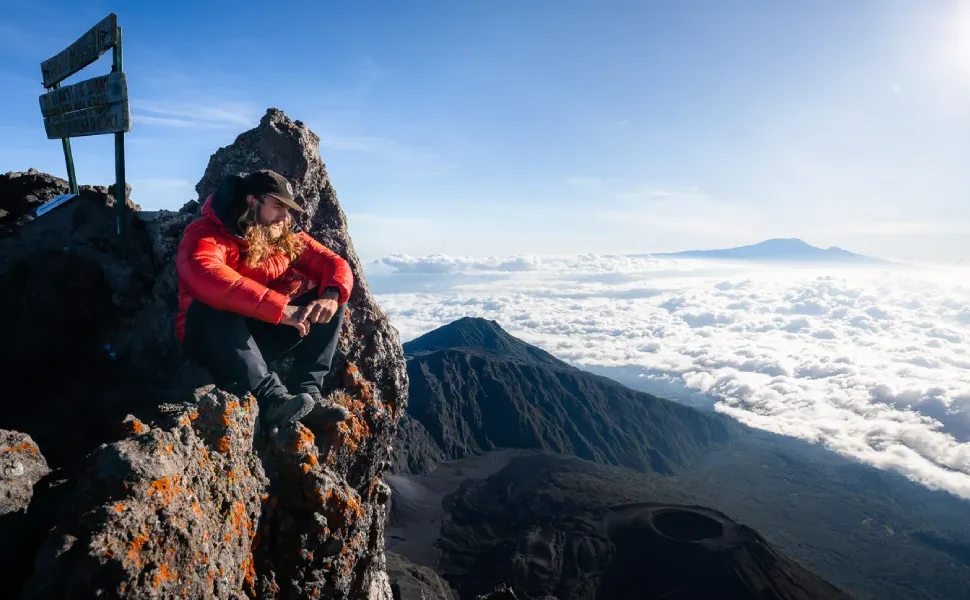


Climbing Mount Meru, Tanzania’s second-highest peak at 4,566 meters, is a thrilling adventure, but it requires preparation. Even though the trek is non-technical, good physical fitness ensures a safer, more enjoyable, and successful summit.
This guide offers practical fitness tips and exercises to train for Mount Meru, whether you are a first-time hiker or an experienced trekker.
Why Training for Mount Meru Matters
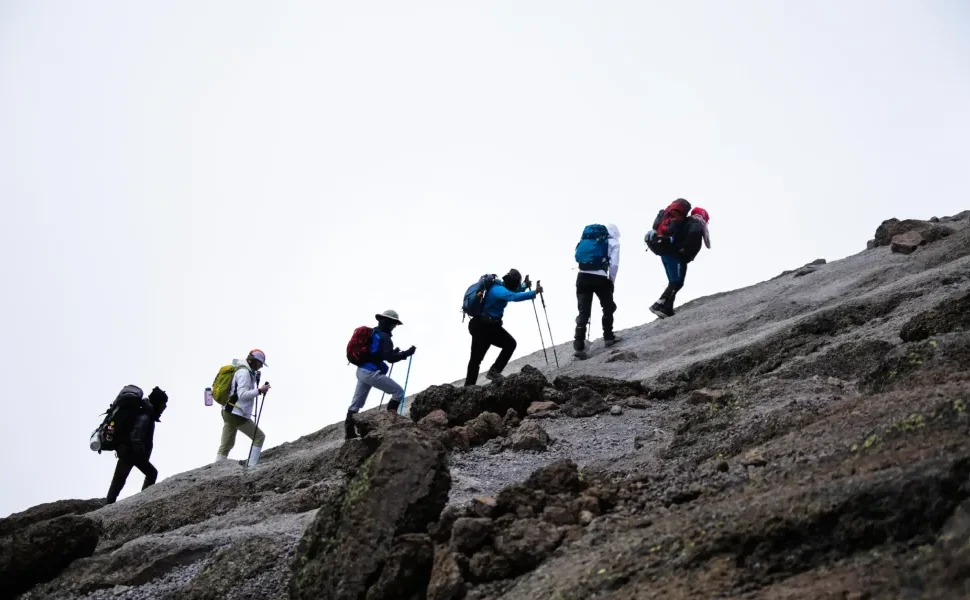
Mount Meru features steep trails, rocky terrain, and high-altitude conditions, which can challenge even seasoned hikers. Proper preparation:
- Reduces fatigue during steep ascents
- Improves endurance for long summit days
- Minimizes the risk of injury
- Enhances your enjoyment of the trek and the views
A combination of cardio, strength, and flexibility training will help you tackle each day confidently.
Cardiovascular Exercises
Cardio is crucial for building stamina and preparing your lungs for higher altitude:
- Running or Jogging: 3–5 times per week to build endurance
- Cycling: Great for low-impact cardio and leg strength
- Swimming: Enhances cardiovascular capacity and overall fitness
- Stair Climbing or Hiking: Simulates uphill trekking and strengthens leg muscles
Aim for 30–60 minutes per session at moderate intensity, gradually increasing duration as your fitness improves.
Strength Training
Mount Meru requires strong legs, core, and upper body for carrying a backpack and maintaining balance:
- Legs: Squats, lunges, step-ups, and calf raises
- Core: Planks, Russian twists, and leg raises to maintain stability on uneven terrain
- Upper Body: Push-ups, shoulder presses, and resistance band exercises to help carry gear
Train 2–3 times per week focusing on functional strength for hiking.
Endurance and Hiking-Specific Training
To mimic trekking conditions:
- Weighted backpack hikes: Gradually increase weight to simulate carrying personal gear
- Hill or stair hikes: Builds strength and stamina for uphill climbs
- Long day hikes: Practice 4–6 hour hikes to simulate summit day conditions
This type of training prepares your body for real-life trekking challenges and altitude adaptation.
Flexibility and Recovery
Flexibility reduces injury risk and improves mobility:
- Stretch major muscle groups daily, focusing on hamstrings, calves, and hip flexors
- Include yoga or Pilates sessions to enhance balance, flexibility, and core strength
- Prioritize rest and recovery to allow muscles to repair and grow stronger
Altitude Considerations
While Mount Meru is lower than Kilimanjaro, altitude can still affect first-time hikers:
- Include aerobic exercises to improve lung capacity
- Take gradual breaks during training hikes to practice pacing
- Stay hydrated during training and on the trek
Proper conditioning helps your body adapt to thinner air and reduces fatigue on summit day.
Sample Weekly Training Plan
| Day | Exercise | Duration |
|---|---|---|
| Mon | Running or cycling | 45 min |
| Tue | Strength training (legs & core) | 60 min |
| Wed | Rest or yoga | 30 min |
| Thu | Weighted backpack hike | 1–2 hours |
| Fri | Strength training (full body) | 60 min |
| Sat | Long day hike | 4–6 hours |
| Sun | Rest or light stretching | 30 min |
Consistency is key. Begin training 8–12 weeks before your trek for the best results.
Book Your Mount Meru Trek With Tanzania Hiking
Tanzania Hiking offers fully supported Mount Meru treks with professional guides, porters, and accommodations. Proper preparation and training ensure you have the strength and stamina to enjoy every moment of your adventure.
- Email: info@tanzaniahiking.com
- WhatsApp: +255 752 213 715 / +255 754 557 877
Request a Quote for Your Mount Meru Trek
Ready to combine your fitness training with an unforgettable adventure?
Fill out the quote request form below, and our team will provide a customized Mount Meru trekking plan tailored to your fitness level, schedule, and travel dates.