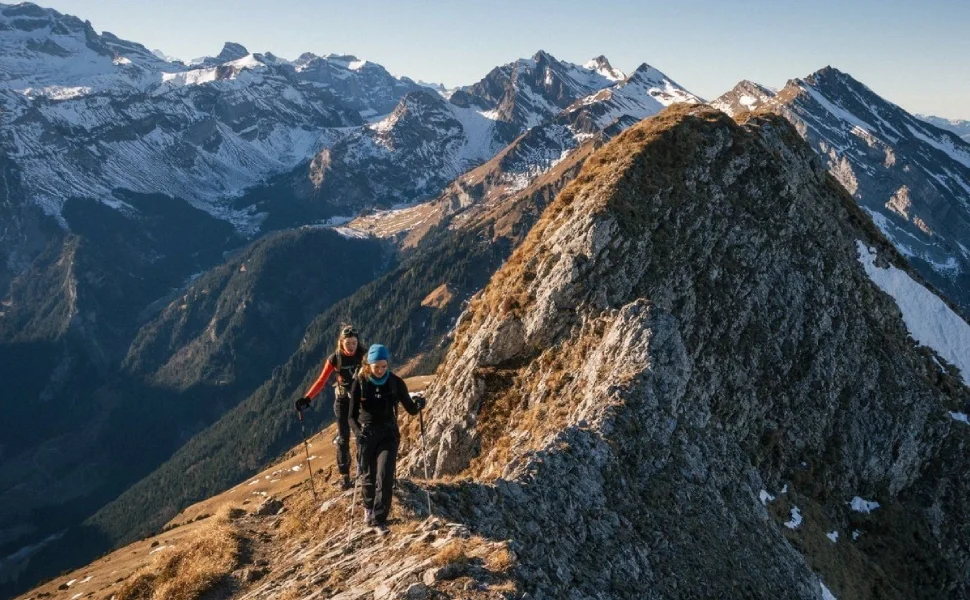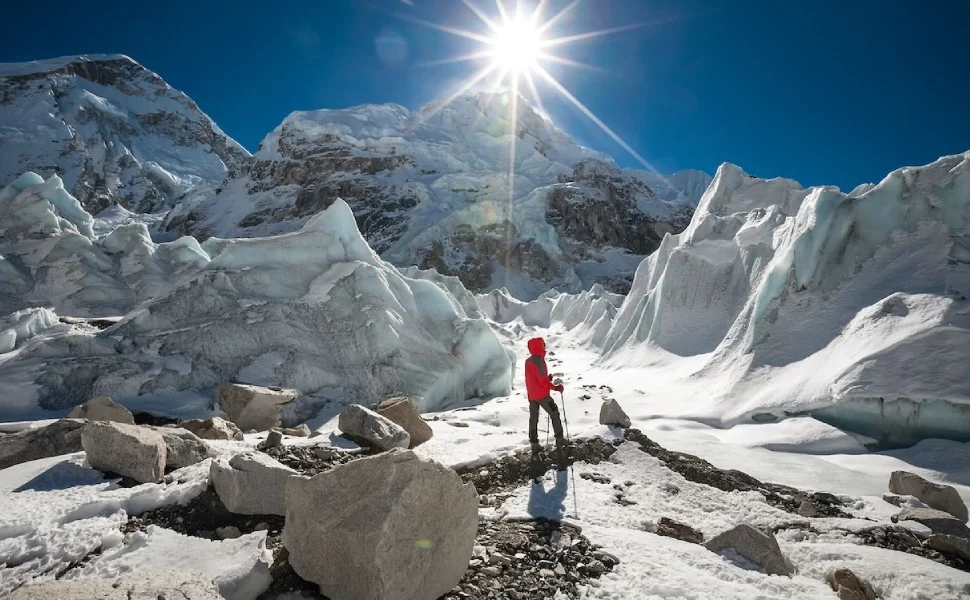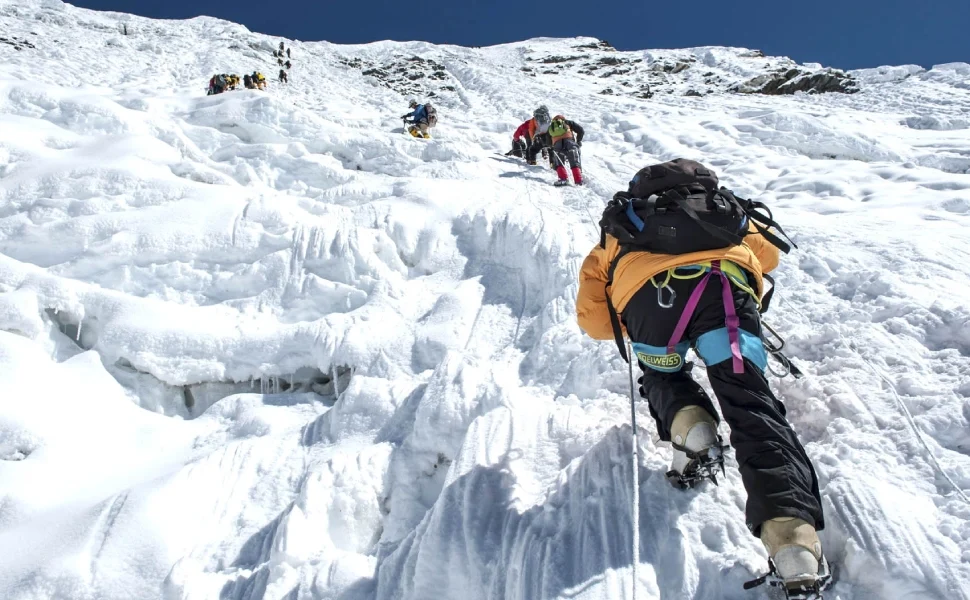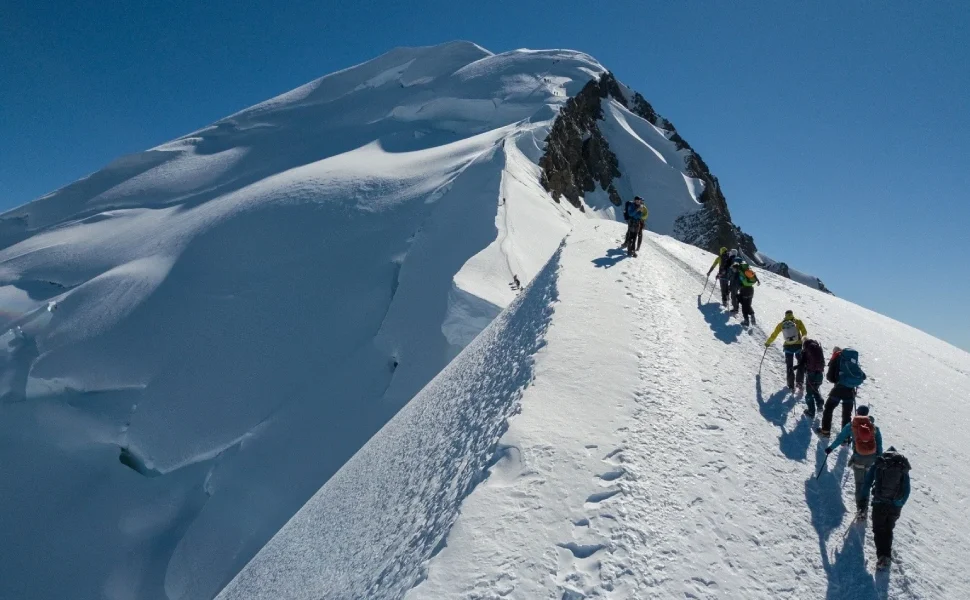

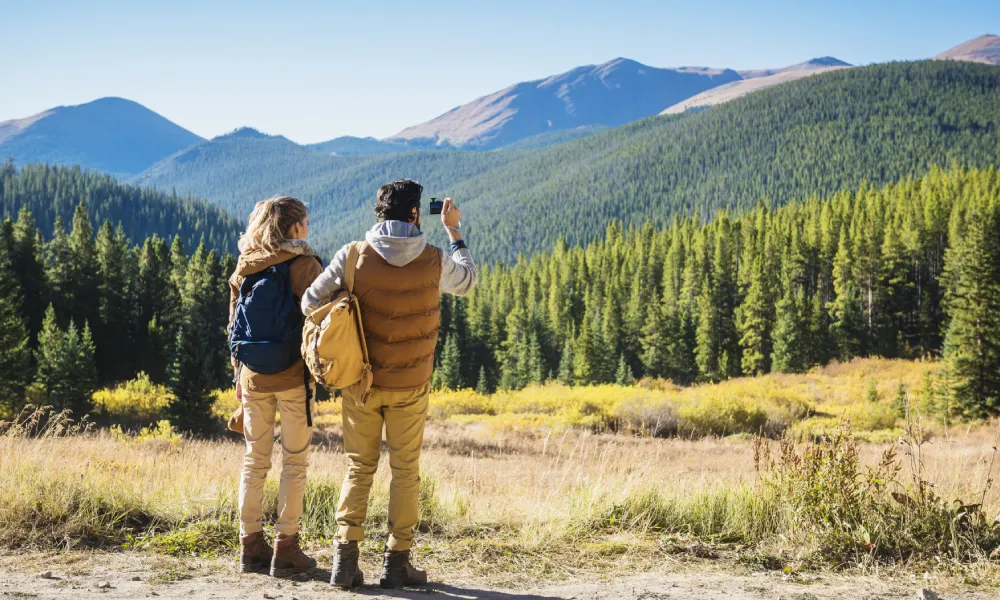
High-altitude hiking in Tanzania, such as climbing Mount Kilimanjaro or Mount Meru, is an incredible adventure but also a significant physical challenge. Proper training is essential to improve stamina, prevent altitude sickness, and ensure a safe and successful trek.
At Tanzania Hiking, we guide trekkers through expert preparation and training strategies to maximize comfort, endurance, and summit success.
1. Understand the Demands of High-Altitude Hiking
High-altitude hikes involve:
- Lower oxygen levels: As you ascend above 3,000 meters, oxygen decreases, making breathing more difficult.
- Long days of trekking: 4–8 hours of uphill and downhill walking daily.
- Variable terrain: Rocky paths, loose gravel, mud, and steep slopes.
- Changing weather: Temperatures can vary from warm forests to freezing summit zones.
Training should focus on cardiovascular endurance, leg strength, balance, and mental stamina.
2. Cardiovascular Training
Cardio workouts improve your body’s efficiency at using oxygen. Include:
- Hiking or trekking with a weighted backpack
- Running, jogging, or brisk walking
- Cycling or stationary biking
- Stair climbing or stair master workouts
Aim for at least 3–5 cardio sessions per week, gradually increasing duration and intensity.
3. Strength Training
Strong legs, core, and upper body help you handle steep climbs and heavy packs. Focus on:
- Legs: Squats, lunges, step-ups, calf raises
- Core: Planks, sit-ups, Russian twists, back extensions
- Upper body: Shoulder presses, pull-ups, or resistance band exercises
Incorporate strength training 2–3 times per week to prevent fatigue and improve stability.
4. Hiking Practice
Simulate the trail conditions you will face:
- Hike on uneven terrain, hills, or stairs with a backpack
- Gradually increase hike duration and elevation
- Practice pacing and walking rhythm to avoid early exhaustion
- Include downhill practice to strengthen knees and improve balance
This builds the endurance needed for long summit days.
5. Acclimatization Strategies
Altitude sickness is a major risk for high-altitude hikes. Training can include:
- Spending time at moderate altitude before the climb if possible
- Doing shorter high-elevation hikes to adapt your body
- Hydrating well and practicing slow, steady breathing
On the mountain, follow the “pole pole” principle moving slowly to help your body adjust.
6. Mental Preparation
High-altitude hiking requires mental resilience:
- Set realistic expectations and focus on milestones
- Practice mindfulness or visualization techniques
- Prepare for cold, fatigue, and long summit nights
- Stay positive and motivated
Mental training is as important as physical preparation for a successful climb.
7. Training with Tanzania Hiking
Tanzania Hiking supports climbers with:
- Pre-climb training advice and plans
- Guided acclimatization treks on Mount Meru or nearby trails
- Full trekking support during Kilimanjaro and high-altitude hikes
- Health monitoring and safety measures throughout the climb
For bookings and inquiries:
- Email: info@tanzaniahiking.com
- WhatsApp: +255 752213715 / +255754557877
Request a Quote
Fill out the form below to request a personalized 2026 trekking quote. Share your preferred mountain, travel dates, and group size. Our team will provide a detailed training guide, itinerary, and support to help you safely reach the summit.