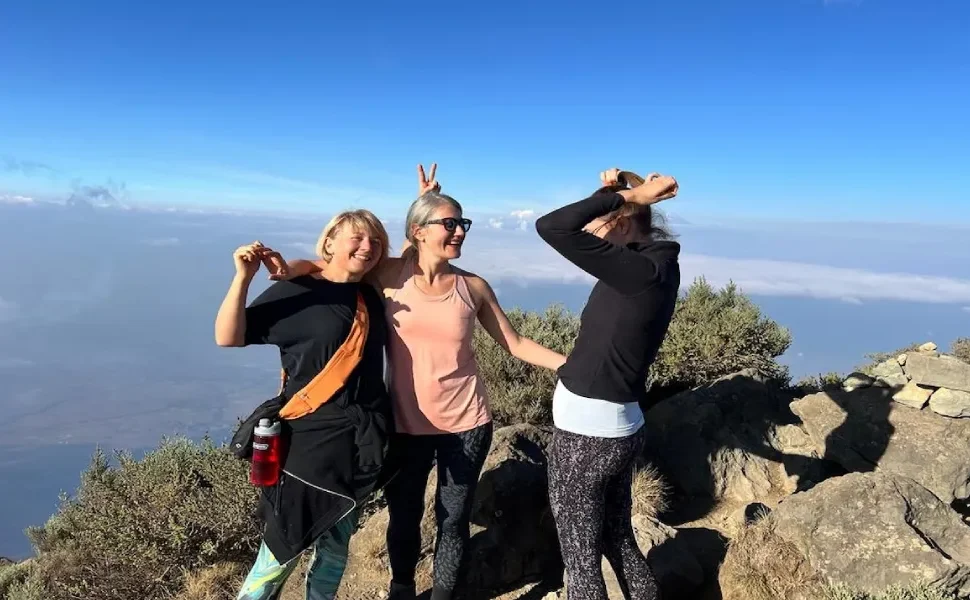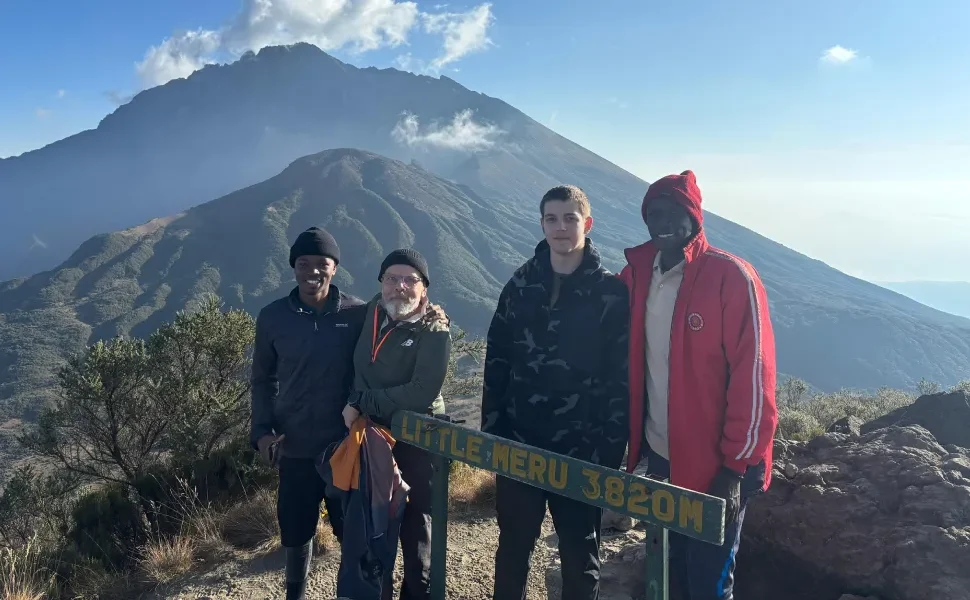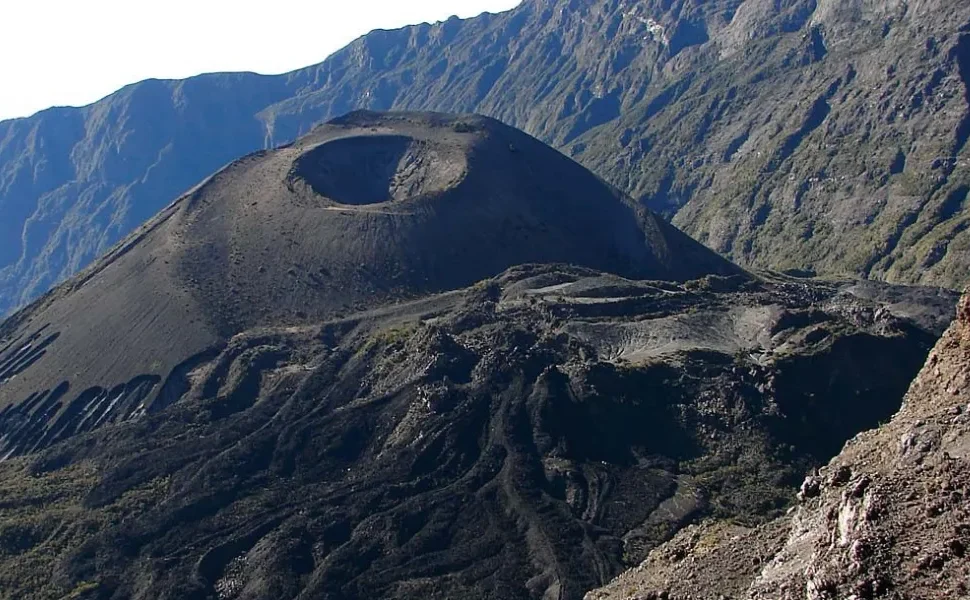

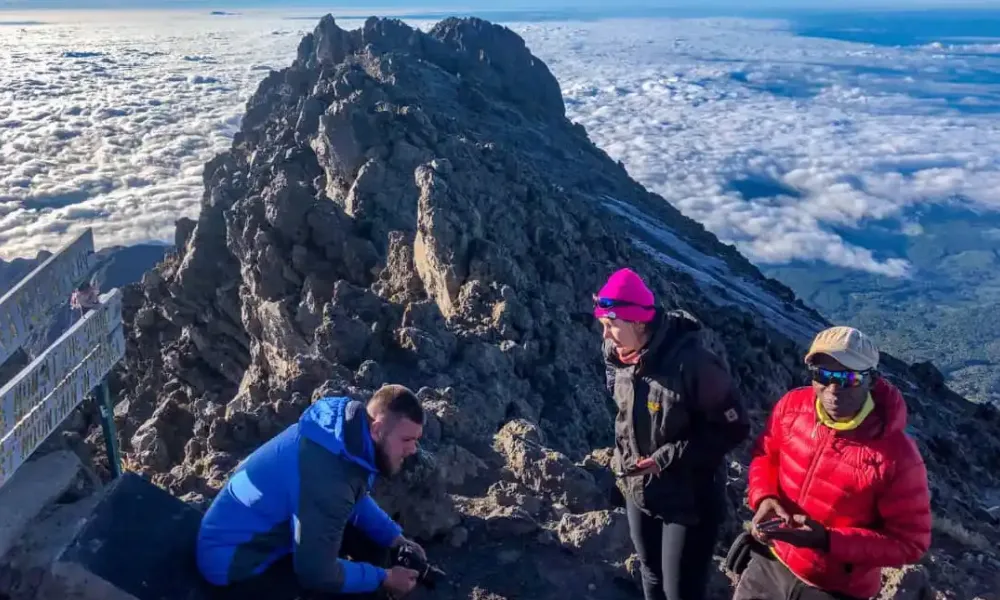
Hiking Mount Meru, Tanzania’s second-highest mountain at 4,566 meters, is an unforgettable adventure. Located inside Arusha National Park, Mount Meru offers stunning scenery, diverse wildlife, and a challenging summit. However, safety should always be your top priority. The trails include steep ascents, rocky ridges, wildlife zones, and high-altitude conditions that require proper preparation and awareness.
This guide explains how to stay safe on Mount Meru trails, from planning and gear to trail awareness and summit-day precautions.
Choose a Guided Trek for Safety
Mount Meru treks are conducted only with licensed guides and armed park rangers, which is mandatory due to wildlife presence. Professional guidance ensures:
- Safe navigation on steep and exposed trails
- Wildlife awareness and protection
- Proper pacing and acclimatization
- Immediate response to emergencies
Trekking independently is not permitted, and guided support is essential for safety.
Prepare Physically Before the Trek
Good fitness significantly reduces injury risk on Mount Meru’s demanding trails.
- Train with cardio and strength exercises
- Practice hiking with a backpack
- Build endurance for long summit days
Proper training helps you maintain balance, stamina, and focus throughout the trek.
Wear the Right Gear and Clothing
Correct equipment plays a major role in trail safety.
Essential Safety Gear
- Sturdy, well-broken-in hiking boots with ankle support
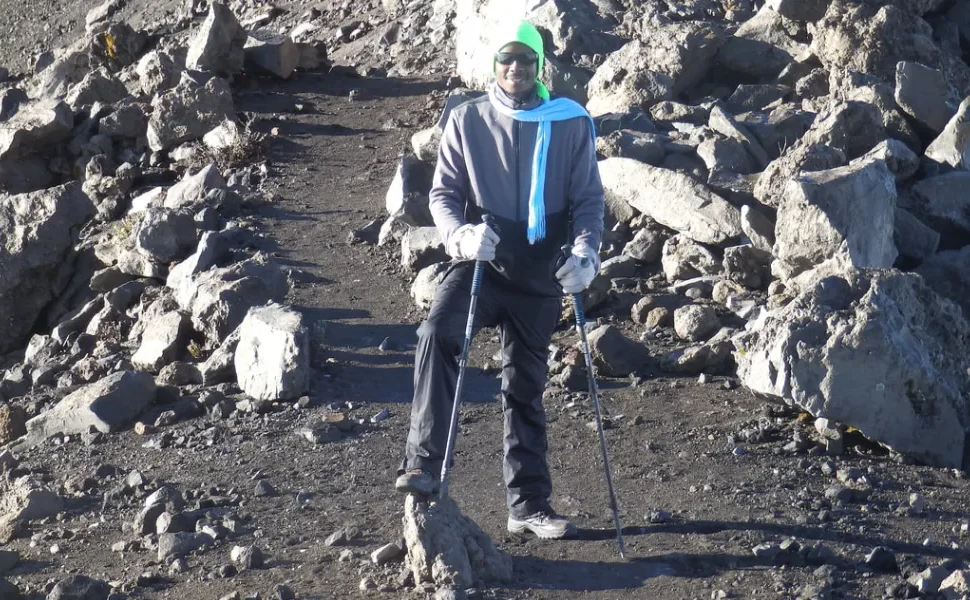
- Trekking poles for balance on steep terrain
- Headlamp with extra batteries for summit night
- Waterproof and warm clothing layers
Avoid new footwear or poorly fitted gear, as they can cause blisters or injuries.
Follow Trail Rules and Ranger Instructions
Mount Meru trails pass through wildlife habitats. For your safety:
- Always stay with your group
- Follow ranger and guide instructions
- Do not approach or photograph wildlife closely
- Maintain quiet and awareness in forest sections
Armed rangers are trained to manage wildlife encounters and ensure hiker safety.
Manage Altitude Carefully
Altitude can affect hikers even at moderate elevations.
- Walk slowly and steadily (“pole pole”)
- Stay hydrated throughout the trek
- Eat regular meals, even when appetite decreases
- Inform your guide immediately if you feel unwell
Early communication prevents altitude symptoms from becoming serious.
Stay Alert on Steep and Exposed Sections
Higher sections of Mount Meru feature narrow ridges and loose volcanic rock.
- Maintain steady footing
- Use trekking poles for balance
- Avoid rushing, especially during descent
- Keep safe distance between hikers
Most trail injuries occur during descent, so focus and caution are essential.
Weather Awareness Is Key
Mountain weather can change quickly.
- Start summit climbs early to avoid afternoon weather shifts
- Wear layered clothing to adapt to temperature changes
- Protect yourself from sun, wind, and cold
Guides monitor conditions and may adjust plans to ensure safety.
Listen to Your Body
Your body is the best safety indicator.
- Rest when needed
- Do not hide symptoms of fatigue or illness
- Accept assistance from guides or porters if necessary
Safety always comes before summit success.
Why Trek With Tanzania Hiking
Tanzania Hiking prioritizes safety on every Mount Meru trek. Our experienced guides, trained porters, and professional rangers ensure:
- Safe pacing and acclimatization
- Proper trail management
- Emergency readiness
- Clear communication throughout the trek
- Email: info@tanzaniahiking.com
- WhatsApp: +255 752 213 715 / +255 754 557 877
Request a Quote for Your Mount Meru Trek
Ready to hike Mount Meru safely and confidently?
Fill out the quote request form below, and our team will design a secure, well-paced trekking itinerary tailored to your experience level and travel dates.