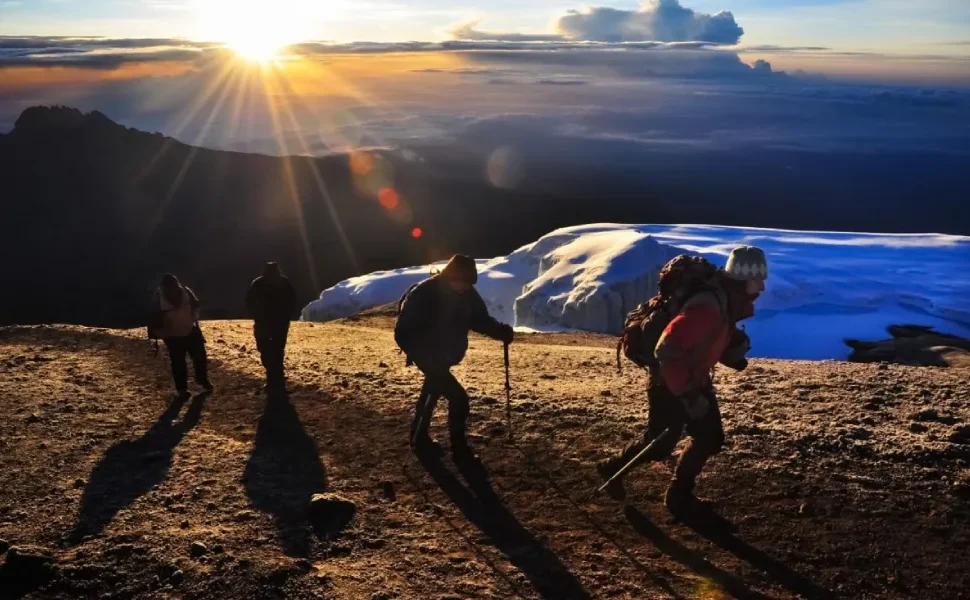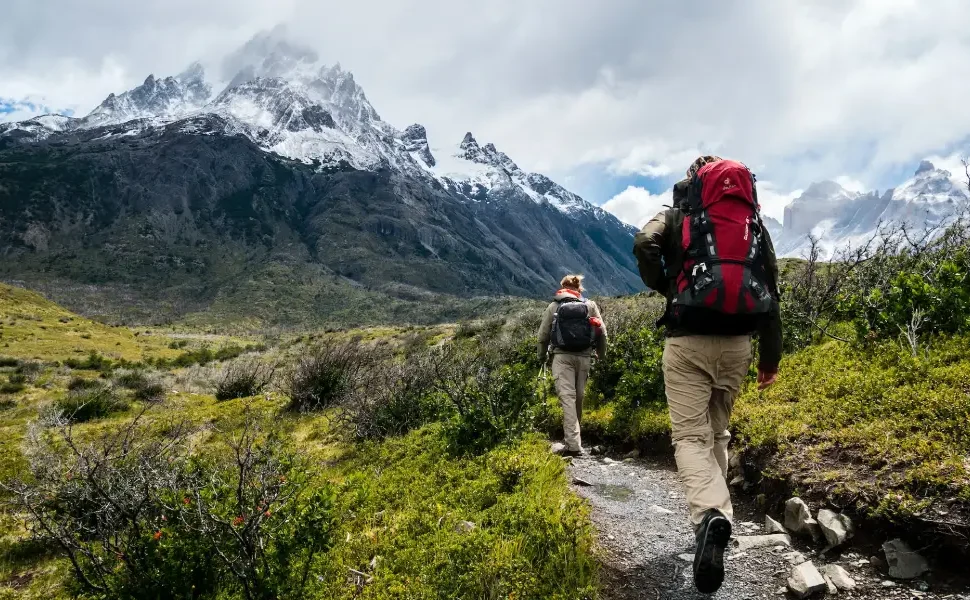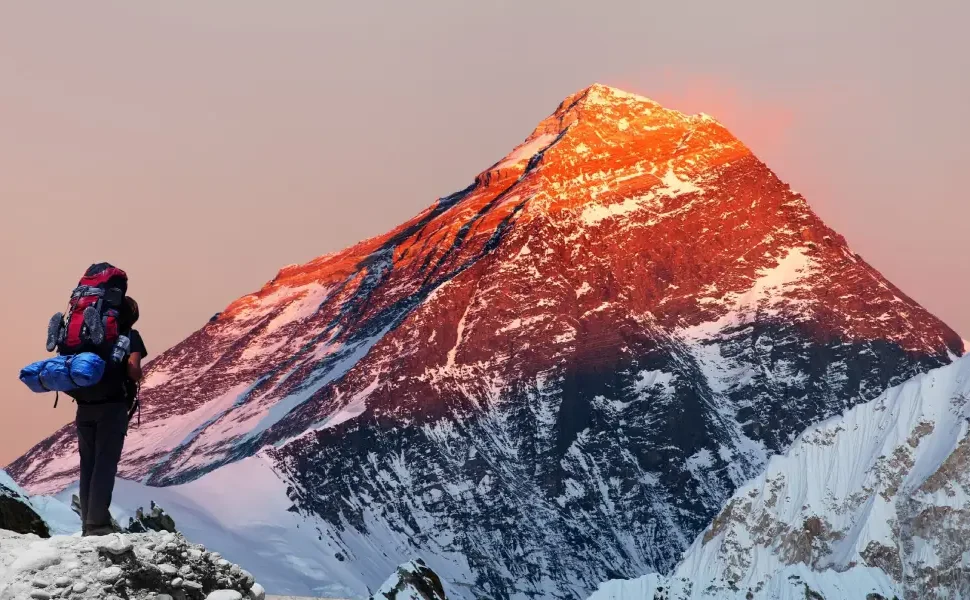

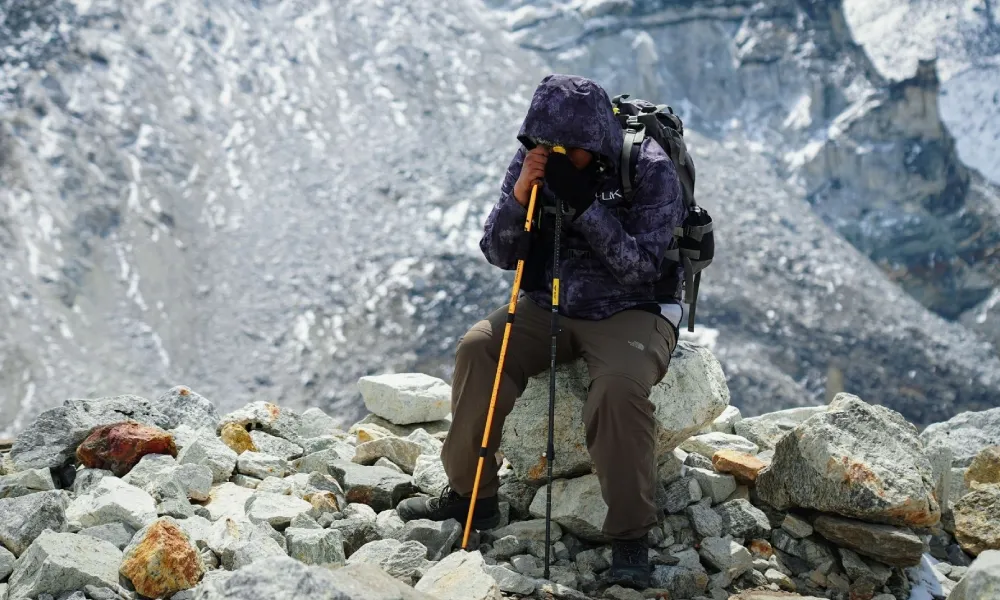
Hiking at high altitudes, such as climbing Mount Kilimanjaro or Mount Meru, is an incredible experience but comes with risks like altitude sickness. Altitude sickness occurs when your body struggles to adjust to lower oxygen levels at high elevations. Understanding how to prevent it is key to a safe and enjoyable trek.
Tanzania Hiking guides hikers on safe acclimatization strategies and practical measures to minimize the risk of altitude sickness on 2026 treks.
What is Altitude Sickness?
Altitude sickness, also called acute mountain sickness (AMS), happens when the body cannot adapt quickly to high elevations. Common symptoms include:
- Headaches
- Nausea or vomiting
- Fatigue and dizziness
- Shortness of breath
- Difficulty sleeping
Severe forms, though rare, can be life-threatening. Prompt recognition and action are essential.
1. Choose a Route with Proper Acclimatization
The best way to prevent altitude sickness is to allow your body enough time to adjust.
- Longer itineraries: Routes like Lemosho (7–9 days) offer gradual ascents and higher summit success rates.
- Climb high, sleep low: Some routes allow climbing to a higher elevation during the day, then descending to sleep at a lower camp.
- Avoid rapid ascents: Do not try to reach the summit in fewer days than recommended.
2. Ascend Slowly and Steadily
“Pole pole” is a Swahili phrase meaning “slowly, slowly.”
- Maintain a steady, moderate pace while trekking
- Avoid sudden bursts of speed
- Take frequent short breaks for hydration and rest
Slow, steady progress reduces the risk of altitude-related complications.
3. Stay Hydrated and Eat Well
Dehydration increases the risk of altitude sickness.
- Drink 3–4 liters of water per day
- Avoid excessive alcohol or caffeine
- Eat light, carbohydrate-rich meals for energy
Proper hydration and nutrition help your body adjust efficiently to high altitudes.
4. Consider Medication if Necessary
Some trekkers use medications like acetazolamide (Diamox) to help prevent AMS.
- Consult a doctor before your trip
- Only take medication under medical advice
- Follow your guide’s instructions carefully
Medication is a supplement, not a replacement for proper acclimatization and pacing.
5. Listen to Your Body
Recognize early symptoms and respond promptly:
- Headaches, dizziness, or nausea should not be ignored
- Inform your guide immediately if you feel unwell
- Descend if symptoms worsen never push through severe AMS
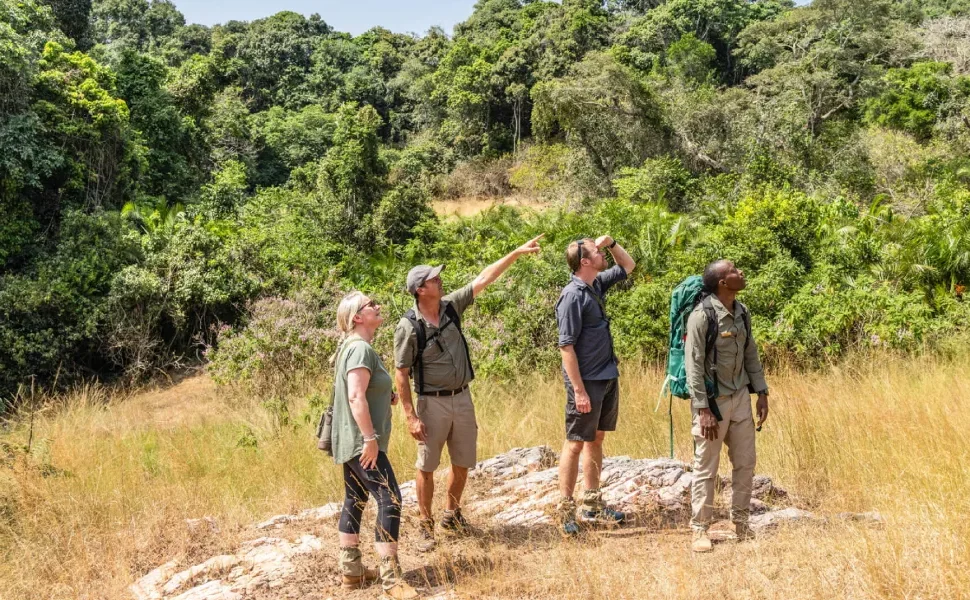
Experienced guides monitor each hiker’s health and can make safe decisions to prevent serious illness.
6. Train and Prepare Physically
Good fitness improves oxygen efficiency and endurance:
- Cardiovascular training (running, hiking, cycling)
- Strength training for legs and core
- Practice hikes at moderate altitudes if possible
Being physically prepared reduces fatigue and makes it easier to adjust to altitude.
Climb Safely with Tanzania Hiking
At Tanzania Hiking, safety is our priority. Our guides:
- Monitor acclimatization and health throughout the trek
- Adjust daily schedules based on altitude response
- Provide advice on hydration, pacing, and nutrition
- Ensure a safe, structured, and enjoyable climb
For bookings and inquiries:
- Email: info@tanzaniahiking.com
- WhatsApp: +255 752213715 / +255754557877
Request a Quote
Fill out the form below to request a personalized 2026 trekking quote. Include your preferred route, travel dates, and group size. Our team will provide a detailed itinerary, safety guidance, and acclimatization advice tailored to your needs