
Climbing Mount Kilimanjaro is a life-changing adventure. Standing at 5,895 meters, Africa’s highest peak attracts thousands of trekkers every year. If you are planning your summit in 2026, this complete guide will help you prepare, choose the right route, and increase your chances of success.
Whether you are an experienced hiker or a first-time trekker, proper planning is the key to reaching Uhuru Peak safely.
Why Climb Mount Kilimanjaro in 2026?
2026 is an excellent year to climb Mount Kilimanjaro. Tanzania continues to improve trekking regulations, park management, and safety standards. In addition, professional local operators provide better equipment, experienced mountain guides, and high-quality support teams.
Climbing with a reputable company ensures:
- Certified and experienced mountain guides
- Proper acclimatization schedules
- High-quality camping equipment
- Daily health monitoring
- Ethical porter treatment
Booking early is highly recommended, especially for peak seasons (January–March and June–October).
Best Time to Climb Mount Kilimanjaro
Kilimanjaro can be climbed year-round, but some months offer better weather conditions.
January to March
- Fewer crowds
- Clear skies
- Slightly colder temperatures
June to October
- Most popular season
- Dry conditions
- Excellent summit visibility
April, May, and November are rainy seasons. Trails can be muddy, and visibility may be limited.
Choosing the Best Kilimanjaro Route
Selecting the right route is one of the most important decisions for your climb.
1. Machame Route (6–7 Days)
- Scenic and popular
- High success rate
- Great acclimatization profile
2. Lemosho Route (7–8 Days)
- Beautiful and less crowded at the start
- Excellent for acclimatization
- High summit success rate
3. Marangu Route (5–6 Days)
- Hut accommodation instead of camping
- Shorter itinerary
- Lower acclimatization profile
4. Rongai Route (6–7 Days)
- Approaches from the north
- Drier side of the mountain
- Quieter route
Longer routes increase your chances of reaching Uhuru Peak successfully because they allow more time for acclimatization.
Physical Preparation for Kilimanjaro
You do not need technical climbing skills, but you must be physically prepared.
Start training at least 8–12 weeks before your climb. Focus on:
- Cardiovascular endurance (running, hiking, cycling)
- Leg strength (squats, lunges, stair climbing)
- Long hikes with a backpack
- Mental endurance training
Consistency is more important than intensity. Gradually increase the duration of your hikes.
Altitude and Acclimatization
Altitude sickness is the main challenge on Mount Kilimanjaro. Symptoms can include headache, nausea, dizziness, and fatigue.
To reduce risk:
- Choose a 7+ day itinerary
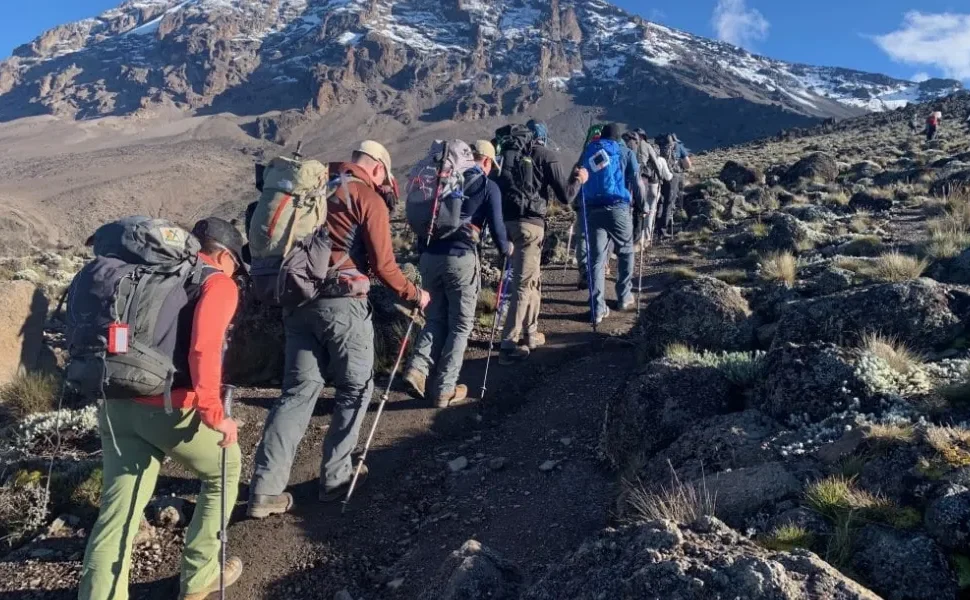
- Walk slowly (“pole pole”)
- Drink 3–4 liters of water daily
- Avoid alcohol before and during the climb
- Inform your guide immediately if you feel unwell
Professional guides monitor oxygen levels daily to ensure your safety.
Essential Packing List
Packing correctly is crucial for comfort and safety.
Clothing
- Waterproof jacket and pants
- Insulated down jacket
- Thermal base layers
- Fleece mid-layer
- Hiking trousers
- Warm gloves and hat
Footwear
- Broken-in hiking boots
- Thick hiking socks
- Camp shoes
Accessories
- Sleeping bag (rated -10°C to -20°C)
- Headlamp with spare batteries
- Trekking poles
- Sunscreen and sunglasses
- Reusable water bottles or hydration system
Layering is key. Temperatures vary from tropical heat at the base to freezing conditions at the summit.
How Much Does It Cost to Climb Kilimanjaro?
The cost depends on the route, number of days, and service level. Budget climbs are cheaper but may compromise safety and comfort. Mid-range and luxury packages provide better equipment, food quality, and experienced guides.
A reputable operator will include:
- Park fees
- Professional mountain crew
- Camping equipment
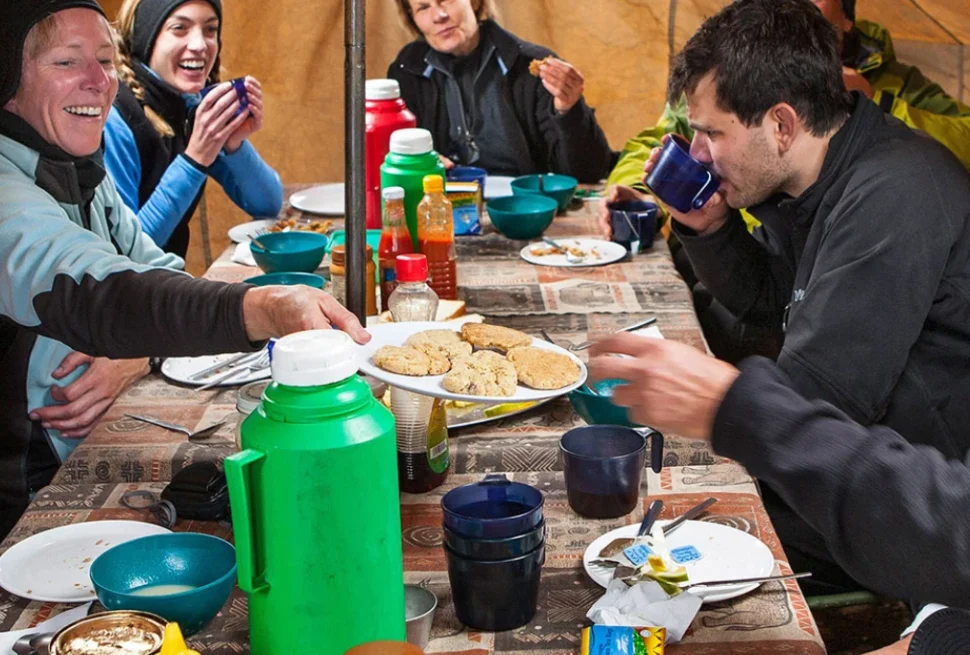
- Meals on the mountain
- Airport transfers
Avoid extremely cheap offers. Ethical treatment of porters and safety standards are essential.
Summit Night: What to Expect
Summit night is the toughest part of the climb. You start around midnight and hike slowly in freezing temperatures. The final ascent to Uhuru Peak takes 6–8 hours.
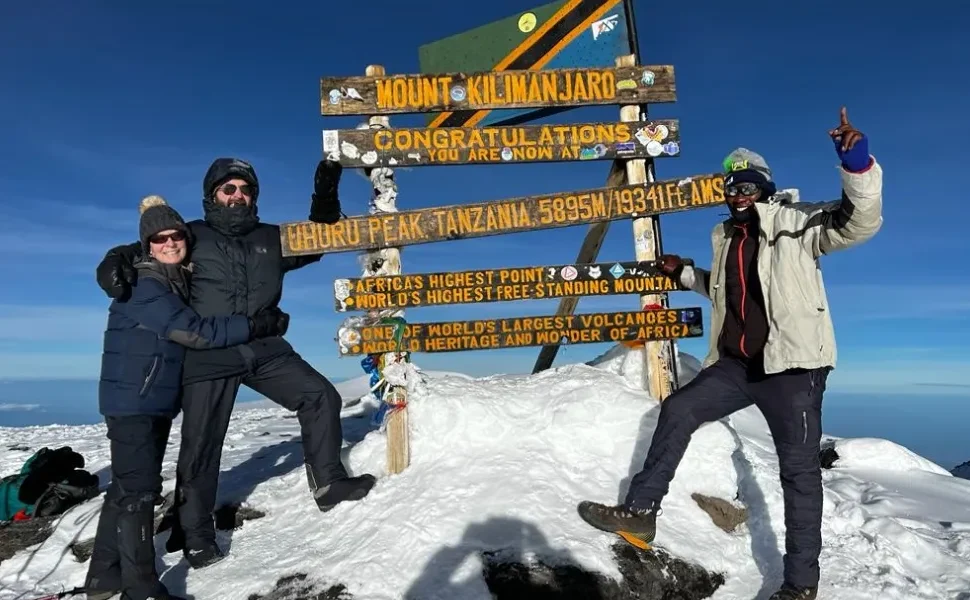
Despite the challenge, watching the sunrise from the Roof of Africa is unforgettable. Reaching the summit is emotional, powerful, and deeply rewarding.
Why Book With Tanzania Hiking?
At Tanzania Hiking, we specialize in safe, ethical, and successful Kilimanjaro climbs. Our experienced guides, professional support teams, and carefully designed itineraries maximize your summit success.
We offer:
- Personalized climb planning
- Flexible 2026 group and private departures
- High-quality equipment
- Professional altitude monitoring
- Ethical porter practices
Start planning your Kilimanjaro adventure today.
- Email: info@tanzaniahiking.com
- WhatsApp: +255 752213715 / +255754557877
Request a Quote for Your 2026 Kilimanjaro Climb
Fill out the form below to request a personalized quote. Our team will respond quickly with detailed itinerary options, pricing, and travel advice tailored to your schedule and fitness level.