
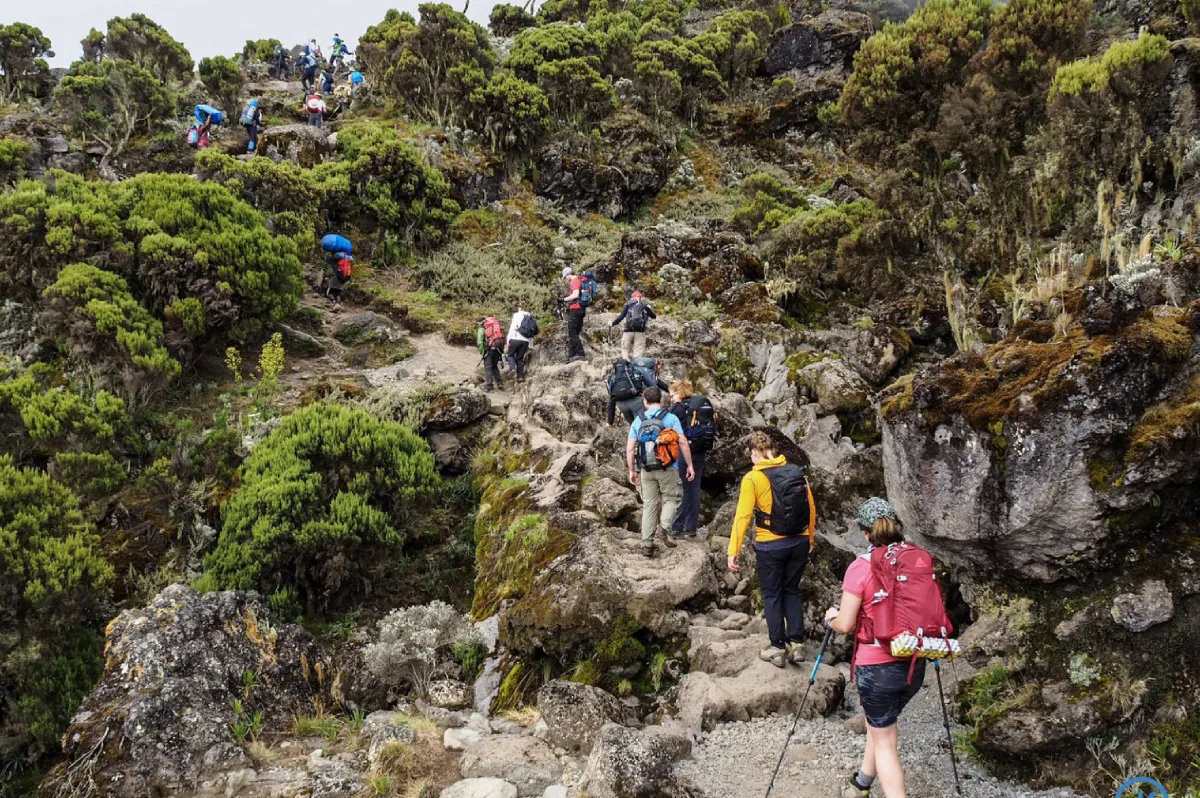
Tanzania Hiking Guide: How Many Days to Climb Mount Kilimanjaro
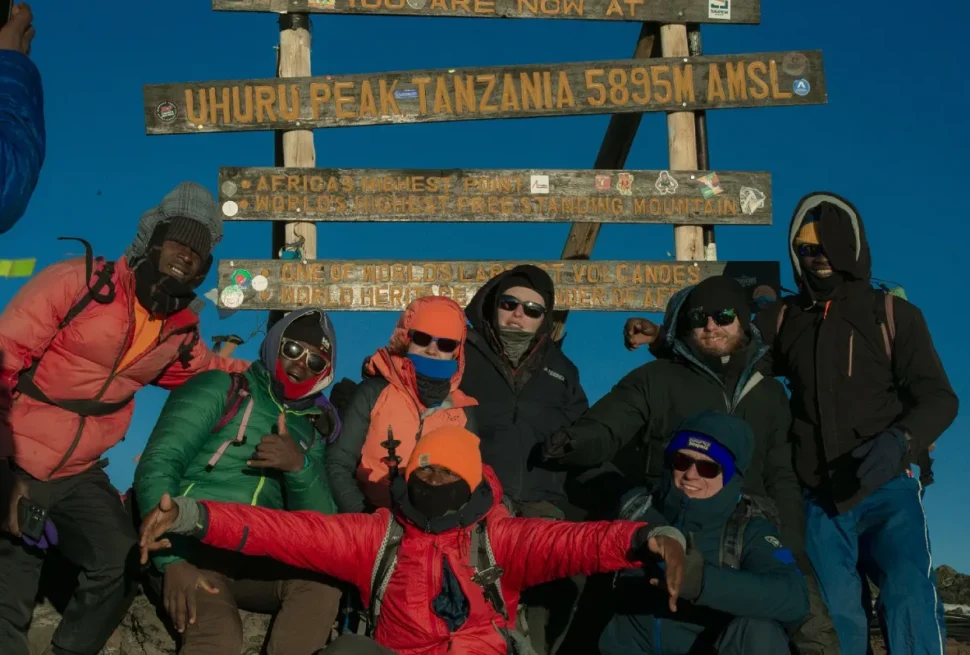
Mount Kilimanjaro, Africa’s tallest mountain at 5,895 meters, is a dream destination for hikers and adventure seekers from all over the world. One of the first questions for anyone planning a climb is how many days are required to reach the summit at Uhuru Peak. The answer depends on the route chosen, the pace of acclimatization, and the hiker’s fitness level.
Understanding the typical duration of each route and what to expect along the way is essential for planning a safe and enjoyable trek.
Why Duration Matters
Climbing Kilimanjaro is not just a physical challenge but also a test of how your body adapts to high altitude. Altitude sickness is the main reason many climbers fail to reach the summit. Choosing the right number of days is crucial because a gradual ascent increases the likelihood of a successful climb and reduces health risks.
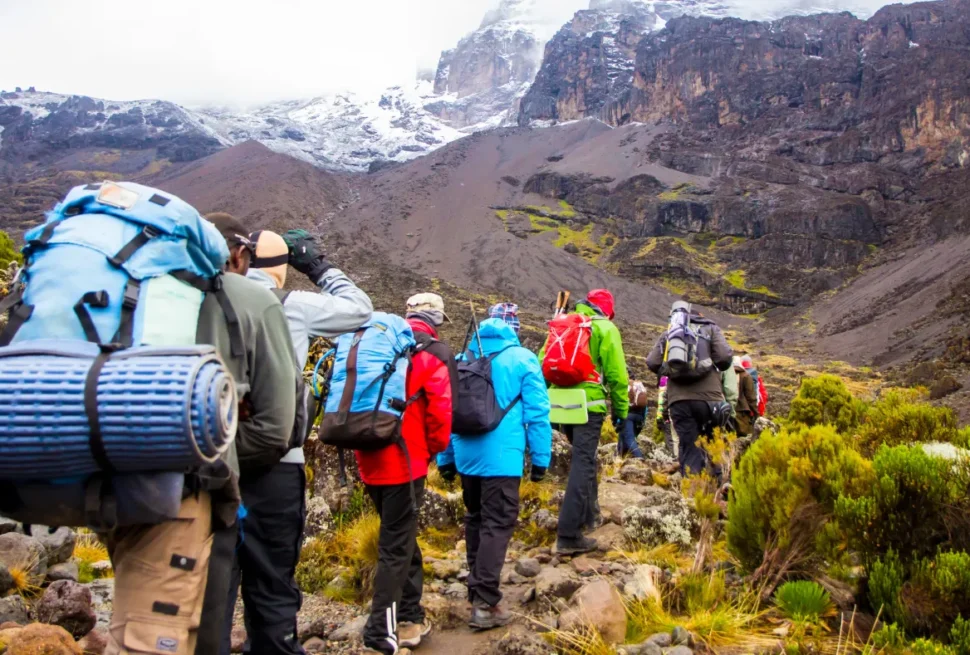
The duration of the trek also affects the overall experience. Longer routes allow hikers to enjoy the diverse landscapes of Kilimanjaro, from rainforests to alpine deserts and glaciers. Shorter routes are faster but provide less time to appreciate the scenery and acclimatize properly.
Typical Kilimanjaro Route Durations
Kilimanjaro has several main trekking routes, each with different durations, difficulty levels, scenery, and summit success rates. The most common routes include Northern Circuit, Lemosho, Machame, Rongai, Shira, Marangu, and Umbwe.
| Route | Typical Duration | Difficulty | Scenery | Summit Success Rate |
|---|---|---|---|---|
| Northern Circuit | 8–9 days | Moderate | Rainforest, moorland, alpine desert, glaciers; very scenic | Highest (~95%) |
| Lemosho | 7–8 days | Moderate | Rainforest, Shira Plateau, alpine desert, glaciers | High (~90–92%) |
| Machame | 6–7 days | Moderate | Rainforest, moorland, alpine desert; scenic and popular | Good (~85–90%) |
| Rongai | 6–7 days | Moderate | Northern slopes, less crowded, gentle ascent | Good (~85%) |
| Shira | 6–7 days | Moderate | Shira Plateau, moorland, alpine desert, glaciers | Moderate to High (~80–85%) |
| Marangu | 5–6 days | Easy to Moderate | Rainforest, moorland, alpine desert; hut accommodation | Moderate (~60–75%) |
| Umbwe | 5–6 days | Hard | Steep southern slopes, less scenic, very challenging | Low (~55–65%) |
Shorter Routes
The Marangu and Umbwe routes are the shortest, typically taking five to six days. Marangu is known for its hut accommodation and more straightforward trails. It is a popular choice for those seeking comfort, but the rapid ascent means less time for acclimatization and a lower summit success rate.
Umbwe is the steepest and most direct route. It is recommended only for very fit and experienced hikers due to its challenging terrain and rapid elevation gain. It is less crowded, but the difficulty and risk of altitude sickness make it suitable for advanced trekkers only.
Longer Routes
The Northern Circuit and Lemosho routes are longer, taking seven to nine days. These routes are ideal for first-time climbers or anyone seeking a higher chance of reaching the summit. Longer treks provide gradual acclimatization, time to enjoy the mountain’s scenic landscapes, and a more relaxed trekking experience.
Machame, Rongai, and Shira are moderate in length, usually taking six to seven days. They provide a balance between time efficiency and acclimatization, and each offers unique scenic highlights along the way.
Factors Affecting Duration
Several factors influence how long it takes to climb Kilimanjaro:
- Acclimatization – More days allow the body to adjust to higher altitudes.
- Fitness level – Stronger hikers may manage shorter routes but still need proper pacing.
- Weather conditions – Rain, snow, or fog can slow the trek.
- Trail crowds – Popular routes may cause delays due to other trekkers.
Recommended Duration
For first-time climbers, six to eight days is ideal. This allows enough time to acclimatize while enjoying the mountain’s diverse ecosystems. Shorter routes save time but carry a higher risk of altitude sickness and reduce opportunities to experience the scenery.
Final Thoughts
The number of days to climb Mount Kilimanjaro depends on your chosen route, fitness level, and hiking experience. Short routes such as Marangu and Umbwe are suitable for hikers with limited time or advanced experience, but they require careful preparation. Longer routes like Northern Circuit and Lemosho provide a higher chance of success and a more immersive trekking experience.
Using the chart above can help you choose the best route based on your goals, time, and abilities. Proper planning ensures that your Tanzania hiking adventure is both safe and unforgettable, culminating in the incredible achievement of standing on Africa’s highest peak.