
Hiking Safety Tips for Beginners
Introduction
Hiking is a rewarding way to connect with nature, stay active, and explore new landscapes. However, beginners need to prioritize safety to ensure their outdoor experience is enjoyable and accident-free. These Hiking Safety Tips for Beginners provide practical guidance for preparation, on-trail decisions, and emergency readiness.
1. Plan Your Hike in Advance
- Research the trail: Know its length, difficulty, and terrain.
- Check weather conditions: Avoid hiking in extreme heat, storms, or heavy rainfall.
- Inform someone: Share your planned route and estimated return time with a friend or family member.
2. Wear Proper Clothing and Footwear
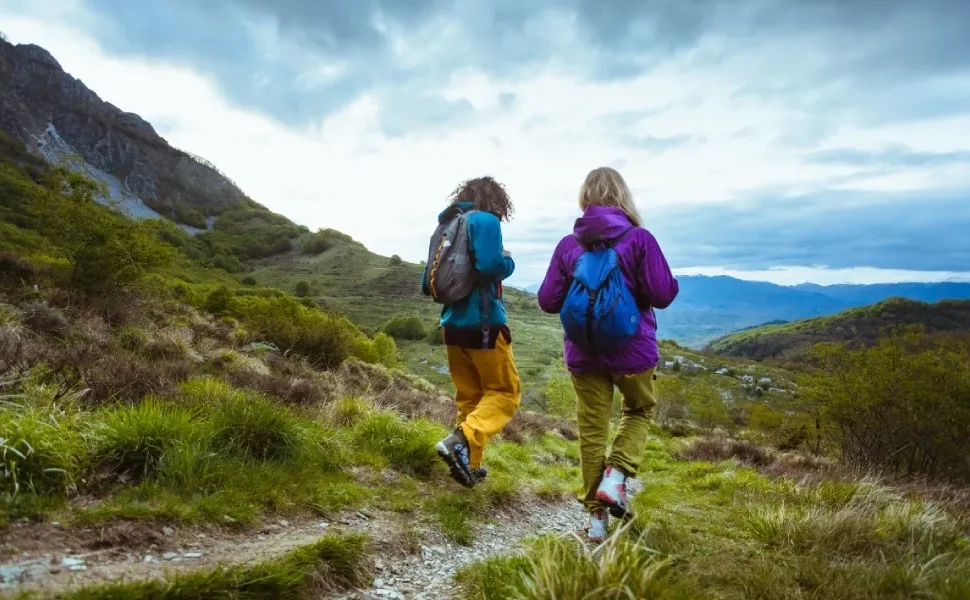
- Hiking boots or shoes: Choose footwear with good grip and ankle support.
- Layered clothing: Wear breathable layers for changing weather conditions.
- Rain gear: Carry a lightweight waterproof jacket in case of sudden showers.
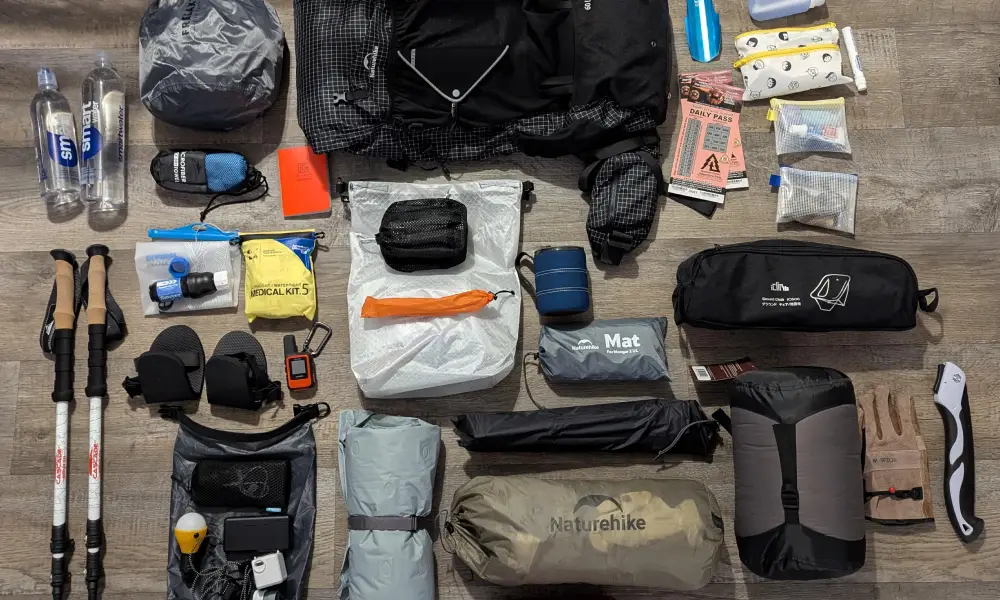
3. Carry Essential Gear
- Navigation tools: Map, compass, or GPS device.
- Hydration: Bring enough water for the entire hike. Consider a hydration pack for convenience.
- Snacks and energy food: Nuts, granola bars, or dried fruit provide quick energy.
- First aid kit: Include bandages, antiseptic, blister pads, and any personal medications.
- Sun protection: Sunglasses, sunscreen, and a hat to prevent sunburn.
4. Start with Easy Trails
- Beginners should choose shorter, well-marked trails before attempting steep or remote hikes.
- Gradually increase distance and elevation as fitness and experience improve.
5. Stay on Marked Trails
- Avoid shortcuts or unmarked paths to prevent getting lost or damaging the environment.
- Follow trail signs, markers, and maps consistently.
6. Pace Yourself and Rest
- Keep a steady pace to conserve energy.
- Take breaks to hydrate, eat, and assess how you feel.
- Listen to your body, don’t push through extreme fatigue.
7. Be Aware of Wildlife and Plants
- Keep a safe distance from wild animals and never feed them.
- Learn to identify dangerous plants, insects, or snakes common to the region.
8. Carry Communication Tools
- A fully charged phone or satellite communication device can be crucial in emergencies.
- Consider portable power banks for longer hikes.
9. Know Basic First Aid and Emergency Procedures
- Learn how to treat blisters, cuts, sprains, or dehydration.
- Familiarize yourself with local emergency contacts for search and rescue.
10. Respect Nature and Leave No Trace
- Pack out all trash, avoid disturbing wildlife, and stick to designated trails.
- Protect the environment so that future hikers can enjoy the same experience.
Conclusion
Safety is the most important part of any hiking adventure. By planning ahead, using proper gear, pacing yourself, and staying aware of your surroundings, beginners can enjoy hiking while minimizing risks. A well-prepared hiker is a confident hiker.
Plan Your Hiking Adventure with Tanzania Hiking
Tanzania Hiking offers guided hikes and climbing experiences suitable for beginners, ensuring safety, support, and unforgettable adventures in Africa’s stunning landscapes.
Call/WhatsApp: +255 752 213 715 / +255 754 557 877
Email: info@tanzaniahiking.com