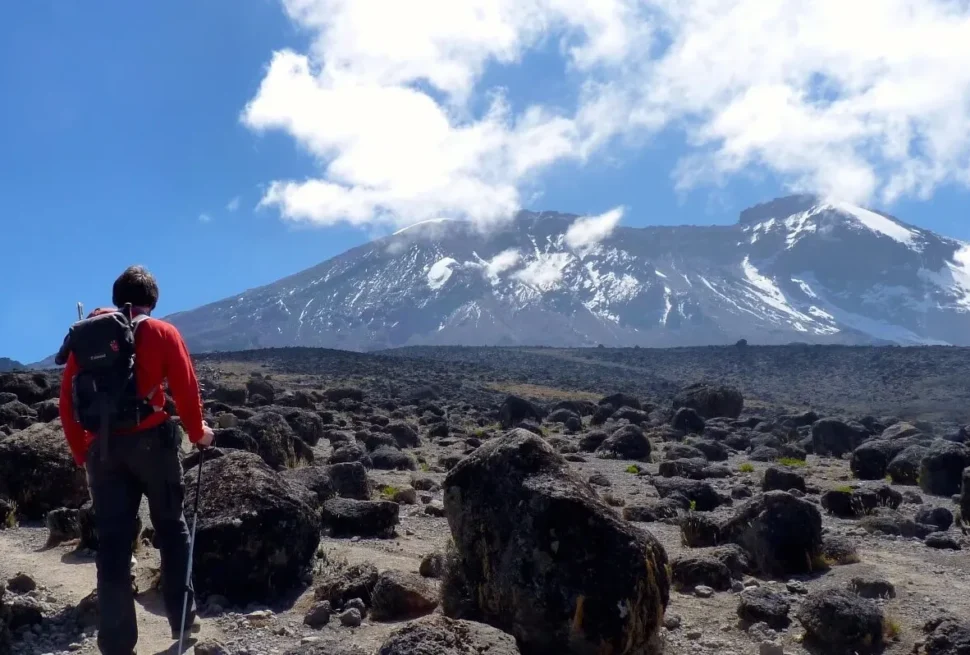


Trekking Mount Kilimanjaro is a unique high-altitude experience that attracts adventurers from around the world. Even though it does not require technical climbing skills, high-altitude conditions present physical and mental challenges that first-time trekkers should understand. This guide explains what to expect during a Kilimanjaro climb and how to prepare for a safe and successful summit.
Understanding High-Altitude Trekking
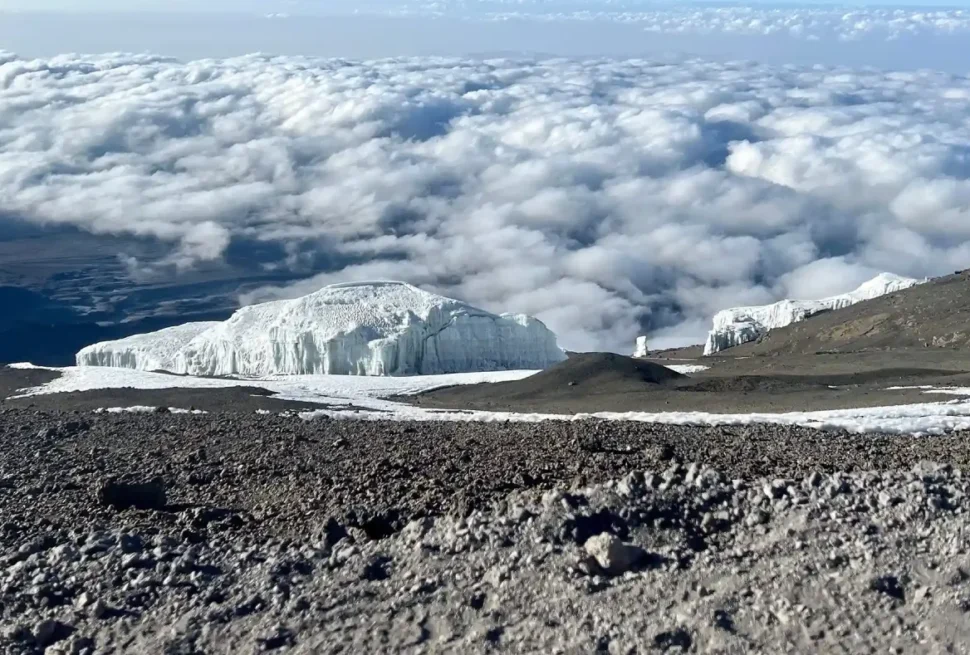
High-altitude trekking refers to hiking at elevations where oxygen levels are lower than at sea level. On Kilimanjaro, climbers ascend from 1,800 meters at the base to 5,895 meters at Uhuru Peak. This significant altitude change can affect breathing, energy levels, and overall physical performance.
Common High-Altitude Effects
- Shortness of breath: Less oxygen makes breathing feel more difficult during steep climbs
- Fatigue: Physical exertion is more taxing at high elevations
- Headaches or nausea: Mild symptoms of altitude sickness are common
- Cold and wind exposure: Temperatures drop significantly above 4,000 meters
Proper pacing, acclimatization, and guidance are essential to manage these effects.
Key Factors to Consider on Kilimanjaro
Gradual Ascent
Routes with longer itineraries, like Lemosho, Machame, and the Northern Circuit, provide a gradual ascent. This approach helps your body adjust to altitude and improves summit success rates.
Hydration and Nutrition
Drinking plenty of water and consuming balanced meals are crucial. High-altitude trekking increases dehydration risk, so hikers should carry water and follow guides’ advice on meals.
Mental Preparation
High-altitude trekking is as much a mental challenge as a physical one. Trekking slowly, taking breaks, and maintaining a positive mindset help overcome fatigue and difficult sections, especially on summit day.
Summit Day Expectations
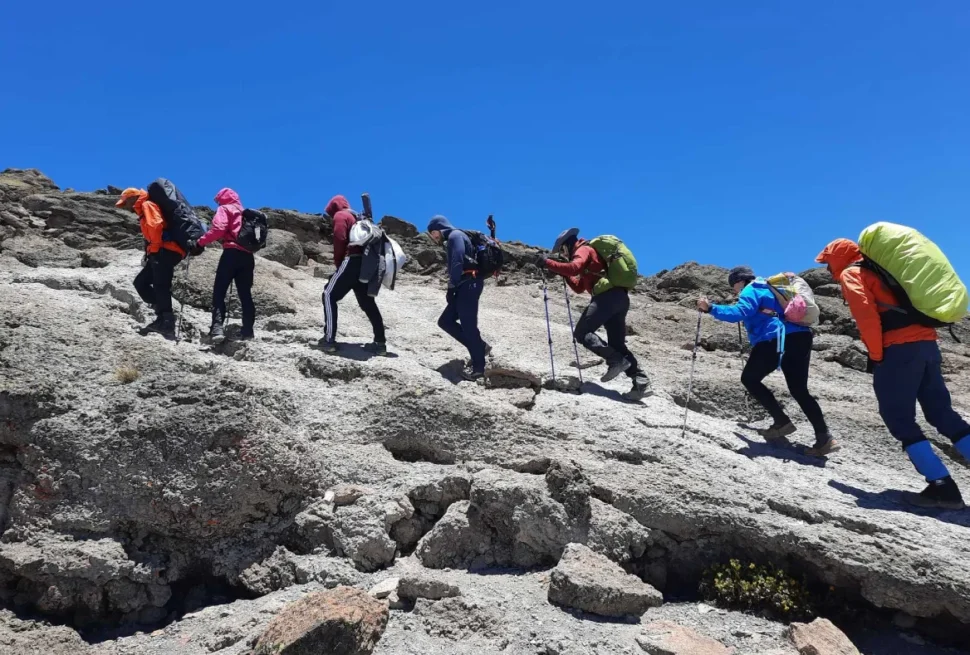
Summit day usually begins around midnight and involves hiking in cold temperatures toward Uhuru Peak. The pace is slow, and the climb can last 6–8 hours. Despite the challenge, reaching the summit at sunrise is one of the most memorable experiences of a lifetime.
Key Summit Tips
- Dress in layers to manage temperature changes
- Use trekking poles for stability
- Walk slowly and steadily to conserve energy
- Follow guide instructions closely to monitor for altitude sickness
Preparing for High-Altitude Trekking
- Physical Training: Regular walking, stair climbing, and light endurance exercises prepare your body for sustained effort.
- Route Selection: Longer routes increase acclimatization and safety.
- Gear: Sturdy boots, layered clothing, insulated jackets, gloves, and hats are essential.
- Professional Guidance: Licensed guides monitor health, pacing, and safety. Porters carry heavy equipment to reduce strain.
Final Thoughts
High-altitude trekking on Kilimanjaro is a challenging but achievable experience for first-time climbers with proper preparation. Understanding altitude effects, pacing yourself, and following professional guidance increase your chances of safely reaching the summit while enjoying Tanzania’s stunning landscapes.
For beginner-friendly high-altitude trekking programs, itinerary planning, and summit support, contact us:
- Email: info@tanzaniahiking.com
- Call / WhatsApp: +255 752 213 715 / +255 754 557 877
Use the enquiry form below to request a quote and plan your high-altitude Kilimanjaro trekking adventure with expert guidance.