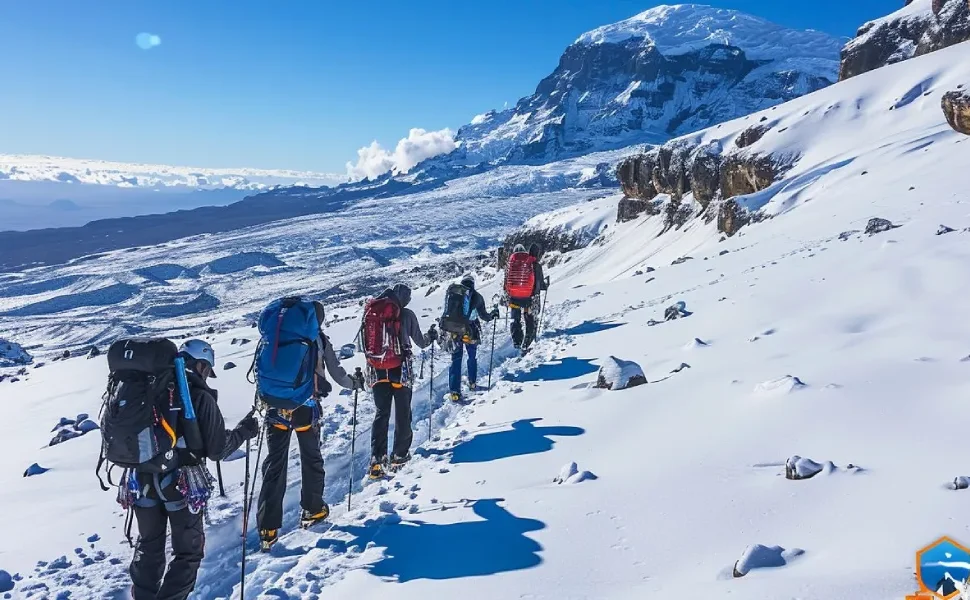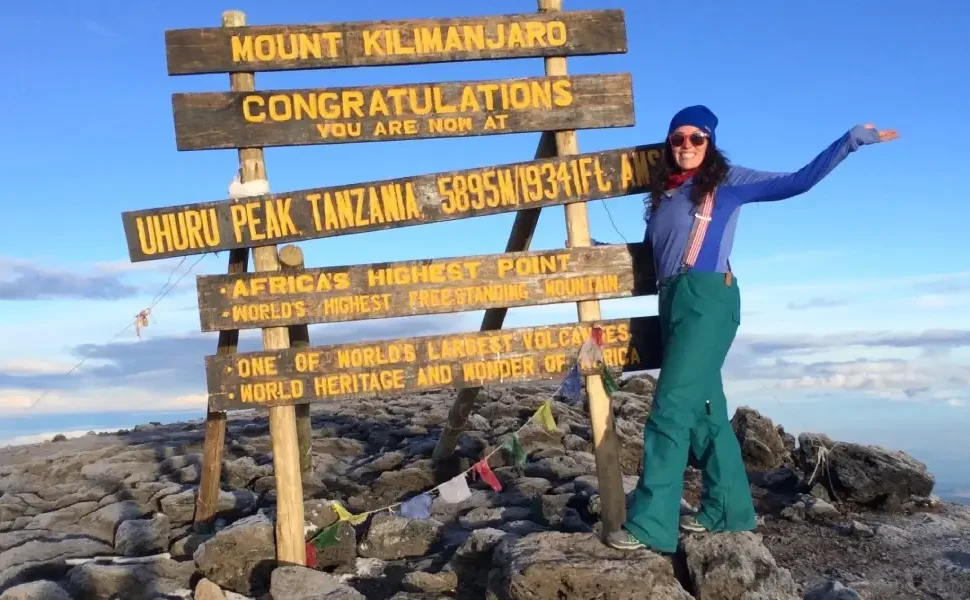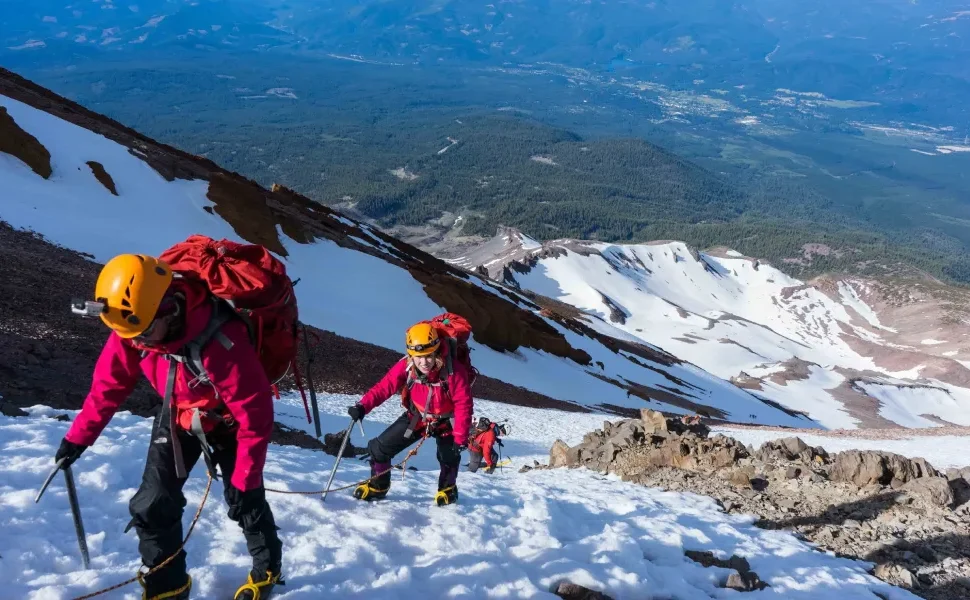

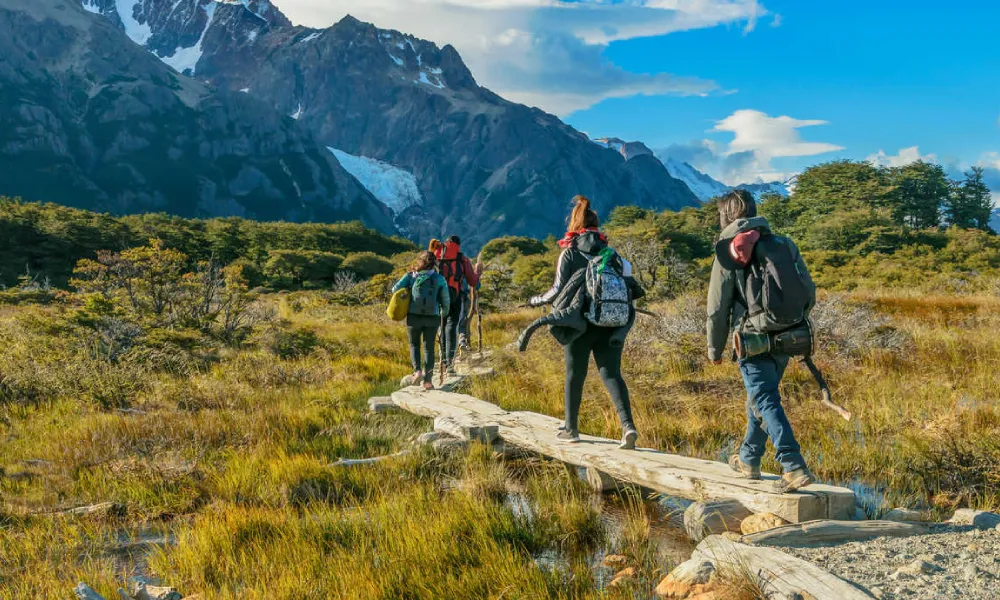
Mountain climbing in Tanzania, whether on Mount Kilimanjaro, Mount Meru, or other peaks, can be approached in two main ways: guided or solo. Each option has its advantages and challenges, and understanding them can help you make the best decision for a safe and enjoyable climb.
At Tanzania Hiking, we provide professional guided climbs while helping trekkers weigh the benefits of guided versus solo hiking.
Guided Mountain Climbing
Guided climbing involves hiring certified guides and support staff to lead your trek.
Pros of Guided Climbing
- Safety and Health Monitoring
- Guides monitor altitude sickness symptoms and overall health
- Emergency protocols are in place for injuries or illness
- Local Knowledge and Expertise
- Guides know the trails, weather patterns, and best acclimatization strategies
- Cultural insights about local communities and wildlife
- Logistics and Support
- Porters carry heavy gear, tents, and food
- Meals and camping arrangements are managed professionally
- Less stress planning daily hiking logistics
- Higher Summit Success Rates
- Experienced guides pace the climb for proper acclimatization
- Many climbers reach Uhuru Peak safely with guided support
Cons of Guided Climbing
- Additional cost for guides and porters
- Less flexibility on pace and schedule (guides manage the itinerary)
Solo Mountain Climbing
Solo climbing means attempting the hike independently without guides or support staff.
Pros of Solo Climbing
- Complete Independence
- You set your own pace and schedule
- Greater personal challenge and self-reliance
- Privacy and Solitude
- Ideal for those who enjoy introspection and fewer people on the trail
Cons of Solo Climbing
- Higher Risk
- No immediate assistance for altitude sickness, injuries, or emergencies
- Navigational errors or bad weather can be dangerous
- Logistical Challenges
- You must carry all gear, food, and water
- Camping setup and route planning is your responsibility
- Lower Summit Success Rates
- Beginners or first-time climbers are less likely to reach the summit safely alone
Which Option is Best?
For most climbers, especially first-timers or those tackling Kilimanjaro, guided climbing is strongly recommended. Solo climbing is better suited for highly experienced trekkers who are familiar with high-altitude hiking, navigation, and safety procedures.
Why Climb with Tanzania Hiking
Tanzania Hiking specializes in guided climbs with:
- Experienced mountain guides and support staff
- Health monitoring and acclimatization planning
- Safe logistics, meals, and camping arrangements
- Ethical treatment of porters and local staff
We ensure every trekker has a safe, comfortable, and unforgettable mountain climbing experience.
For bookings and inquiries:
- Email: info@tanzaniahiking.com
- WhatsApp: +255 752213715 / +255754557877
Request a Quote
Fill out the form below to request a personalized 2026 climbing quote. Share your preferred mountain, travel dates, and group size. Our team will provide a detailed itinerary, expert guidance, and recommendations to help you achieve a safe and successful summit.