
Full Moon Climbs on Kilimanjaro: A Unique Summit Experience
Climbing Mount Kilimanjaro is already an unforgettable adventure, but scheduling your trek during a full moon can elevate the experience to an entirely new level. Full moon climbs offer unique opportunities for night-time trekking, spectacular moonlit vistas, and a memorable connection with Africa’s highest peak.
What is a Full Moon Climb?
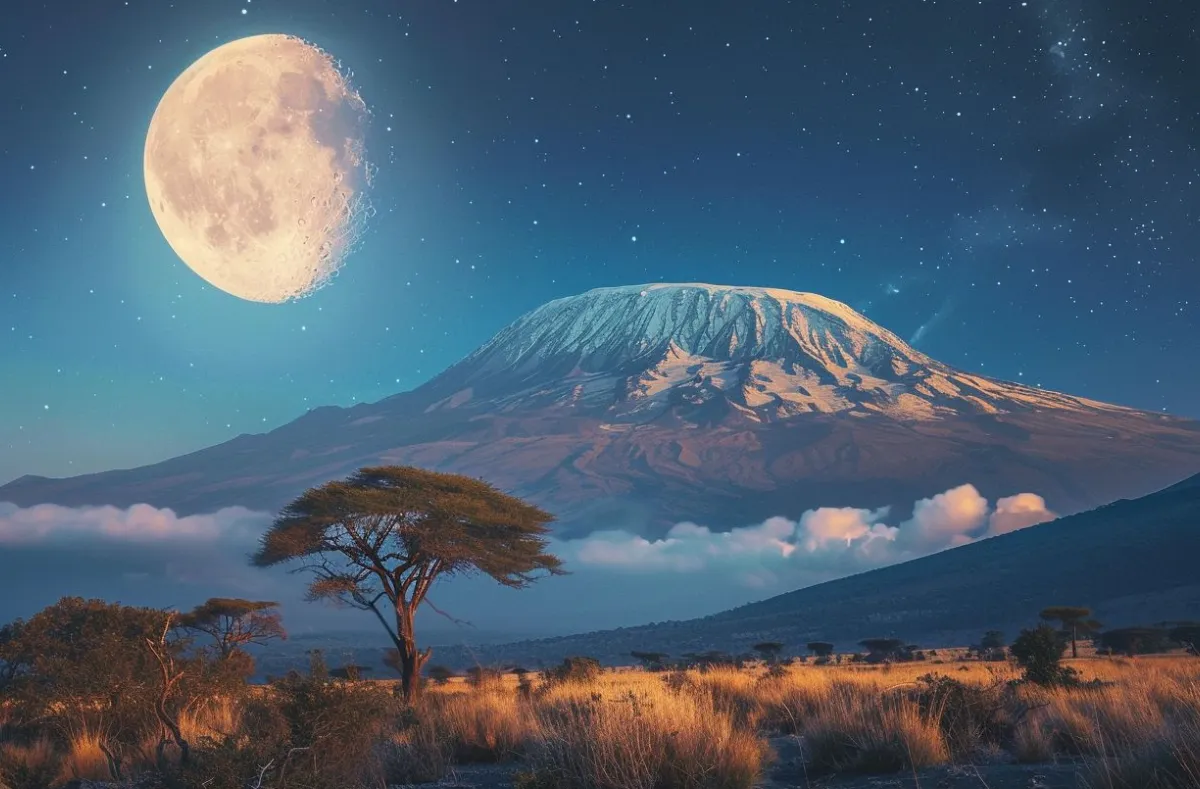
A full moon climb is a trek scheduled so that your summit night coincides with a full moon. This allows climbers to ascend in natural moonlight rather than relying solely on headlamps. The bright moon illuminates the trail, glaciers, and surrounding peaks, creating a magical and otherworldly experience.
Full moon climbs are particularly popular on Machame, Lemosho, and Rongai routes, which offer scenic landscapes and optimal summit approaches.
Advantages of Climbing During a Full Moon
1. Natural Illumination
Summit night begins around midnight, and the full moon provides enough light to see the trail and surrounding landscapes. This reduces reliance on headlamps and makes the night trek safer and more visually stunning.
2. Stunning Photography
A full moon enhances night-time photography opportunities. Climbers can capture breathtaking moonlit panoramas, glaciers, and the surrounding wilderness. Summit photos under a full moon are truly unique keepsakes.
3. Cooler Night Temperatures
Climbing under the moonlight often coincides with cooler, dry conditions. Clear skies during full moons can make the night crisp, which climbers often prefer for a comfortable ascent.
4. Reduced Crowds on Some Routes
Because full moon climbs require precise timing, they attract fewer climbers than general peak-season ascents. This allows for a more personal and peaceful trekking experience.
Planning a Full Moon Climb
Full moon climbs require careful planning. It’s important to schedule your trek so that your summit attempt aligns with the full moon date. This often means starting your climb a few days before the full moon to ensure proper acclimatization and summit timing.
Experienced guides, like those at Tanzania Hiking, calculate itineraries that maximize safety, altitude acclimatization, and summit success while syncing with the lunar calendar.
When is the Best Time for Full Moon Climbs?
Full moon climbs can be combined with dry season months (January to March and June to October) for optimal conditions. These periods provide:
- Minimal rainfall
- Clear skies for moonlight visibility
- Safer, firmer trails
- Better summit success rates
While full moon climbs are possible during wet months, heavy rainfall and clouds can obscure the moon and make night-time trekking more challenging.
Tips for a Successful Full Moon Summit
- Bring a headlamp: Moonlight is bright, but backup lighting is essential.
- Layer clothing: Summit nights are cold; proper thermal layers, gloves, and hats are crucial.
- Acclimatize properly: Longer itineraries increase your chances of reaching the summit comfortably.
- Stay hydrated: Night climbs are physically demanding; keep fluids handy.
Book Your Full Moon Kilimanjaro Climb with Tanzania Hiking
At Tanzania Hiking, we specialize in customized full moon climbs. Our experienced guides carefully plan routes and schedules to ensure safety, summit success, and a truly magical moonlit experience.
For bookings and inquiries, contact
- info@tanzaniahiking.com
- WhatsApp +255 752213715 / +255 754557877.
Request a Quote for Your Full Moon Adventure
Below this page, you’ll find a request-a-quote form. Share your preferred dates, route, and group size, and our team will create a personalized full moon climbing itinerary with detailed pricing.