
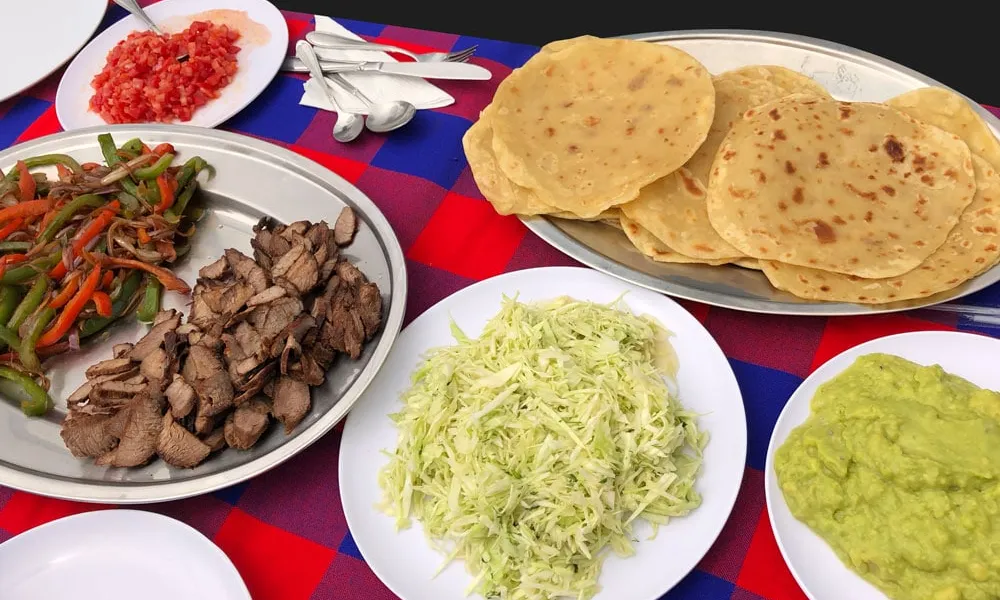
A successful Mount Meru trek depends not only on physical preparation and proper gear but also on what you eat and how you fuel your body. From Momella Gate through Miriakamba and Saddle Hut to Socialist Peak, the climb can be physically demanding, and your meals play a critical role in maintaining energy and stamina.
Here’s a guide to food preparation tips for your Mount Meru trek, so you can stay energized, hydrated, and healthy on the trail.
1. Plan Your Meals in Advance
Before you start your trek, plan your meals based on:
- Duration of your hike (1-day, 3-day, or 4-day trek)
- Energy requirements for high-altitude trekking
- Availability of meals at huts or campsites
Guided treks usually include meals, but it’s wise to bring extra snacks and lightweight food for energy between meals. Planning ensures you avoid carrying unnecessary weight or facing hunger on long climbs.
2. Focus on Nutrient-Dense Foods
High-altitude trekking requires foods that provide sustained energy:
- Carbohydrates – oats, pasta, rice, energy bars for quick energy
- Proteins – nuts, seeds, jerky, or powdered protein to maintain muscle strength
- Healthy fats – peanut butter, trail mix, or olive oil for long-lasting energy
Avoid foods that are too heavy, greasy, or difficult to digest, as they can slow you down or cause discomfort at altitude.
3. Hydration and Electrolytes
Water is essential, but hydration also involves replacing electrolytes lost through sweat:
- Carry reusable water bottles or a hydration bladder
- Drink regularly throughout the hike instead of waiting until you’re thirsty
- Bring electrolyte tablets or powders to prevent dehydration and fatigue
Staying hydrated helps your body acclimatize and reduces the risk of altitude-related issues.
4. Pre-Cooked and Easy-to-Prepare Meals
If you’re preparing your own food:
- Pre-cook meals like pasta, rice, or stews before starting the trek
- Use lightweight containers to store snacks and meals
- If cooking on the trail, stick to simple, easy-to-boil foods that require minimal fuel
Guided treks often provide cooked meals at huts, but knowing how to handle simple food prep is valuable, especially for tent camping.
5. Snack Strategically Throughout the Day
Small, frequent snacks help maintain energy levels:
- Trail mix, energy bars, dried fruit, or chocolate are ideal for quick energy
- Eat snacks during short breaks, especially before steep ascents
- Avoid over-reliance on sugary snacks, which may cause energy crashes
Strategic snacking helps your body cope with the physical demands of high-altitude trekking.
6. Cooking and Meal Tips at Huts
Huts like Miriakamba and Saddle Hut offer basic meals:
- Meals are typically simple but nutritious, including rice, beans, vegetables, and tea or coffee
- Bring your own seasonings or condiments if you prefer added flavor
- Respect hut schedules and communal dining areas
Understanding hut meal logistics ensures a smoother and more enjoyable trekking experience.
7. Food Safety Tips
High-altitude trekking requires careful handling of food:
- Wash hands or use hand sanitizer before eating
- Store food in airtight containers to protect it from wildlife and moisture
- Avoid perishable items unless properly refrigerated or carried in insulated containers
Safe food practices prevent illness, ensuring you stay energized for the climb.
Plan Your Mount Meru Trek With Tanzania Hiking
Tanzania Hiking provides full support for meals and food preparation during your trek:
- Pre-planned, nutritious meals at huts or campsites
- Guidance on snacks, hydration, and high-energy foods
- Expert advice on meal timing and altitude nutrition
- Email: info@tanzaniahiking.com
- WhatsApp: +255 752 213 715 / +255 754 557 877
Request a Quote for Your Mount Meru Adventure
Ready to enjoy a well-fed and energized Mount Meru trek?
Fill out the request-a-quote form below, and our team will craft a custom itinerary including meal planning, campsite or hut arrangements, and nutritional advice to keep you fueled from Momella Gate to the summit.