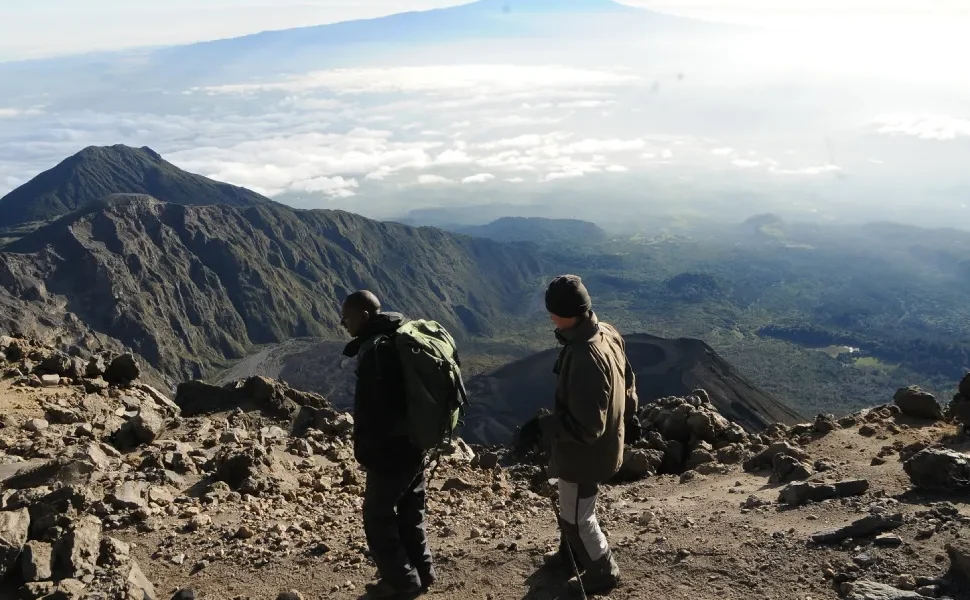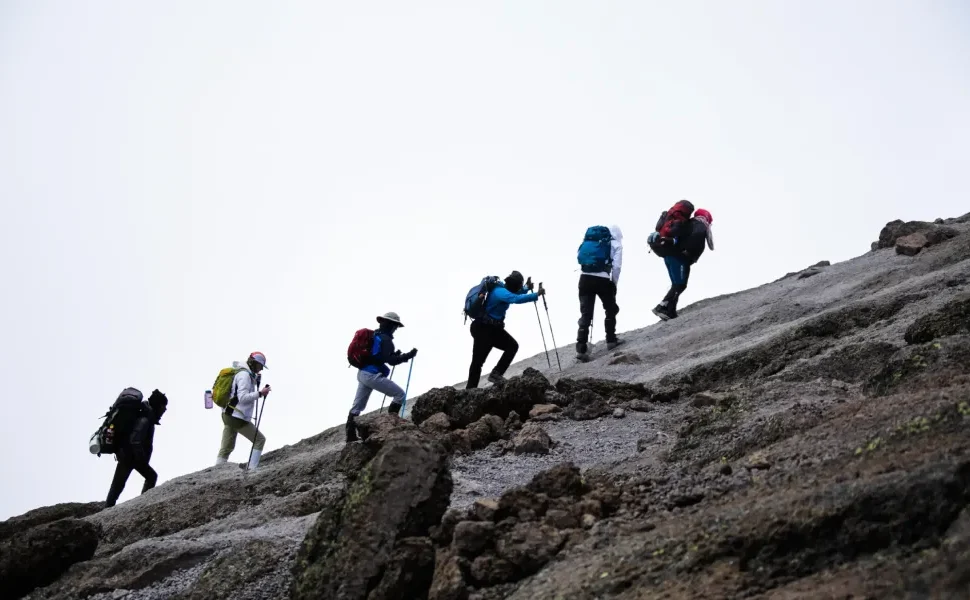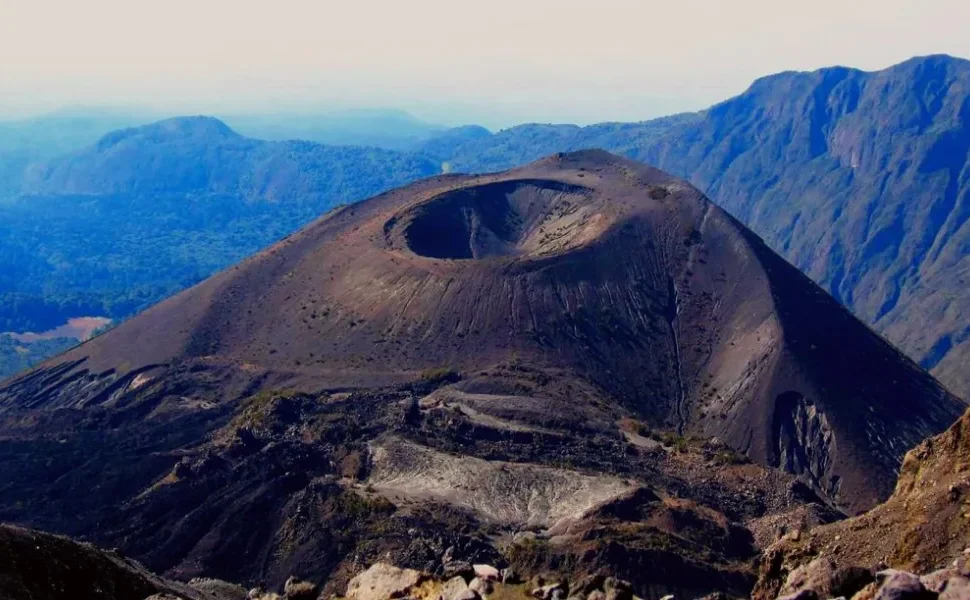

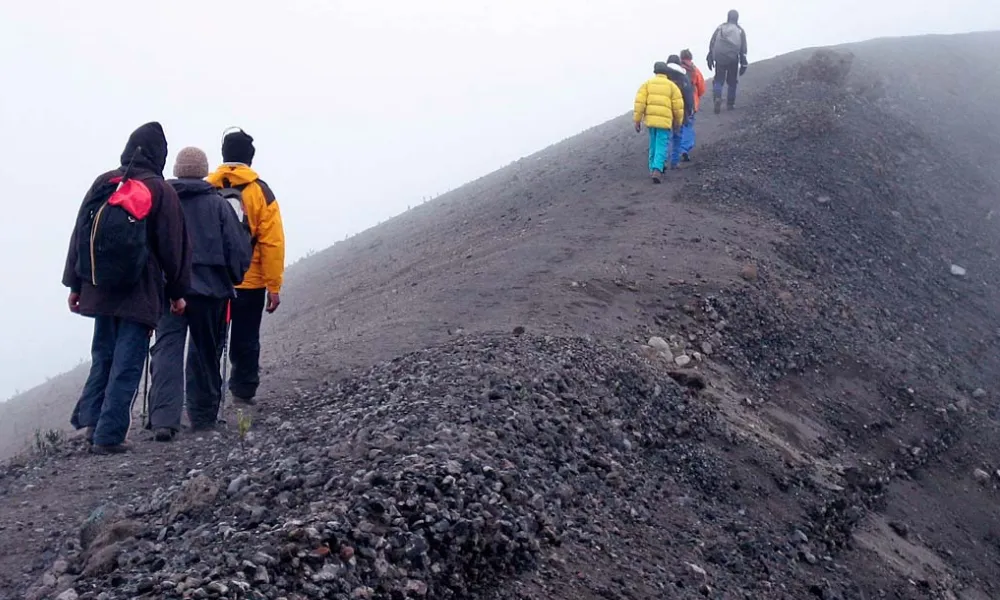
Trekking Mount Meru, Tanzania’s second-highest peak at 4,566 meters, is a thrilling adventure any time of year. While most hikers prefer the dry season, the rainy season typically March to May and November offers unique landscapes, lush greenery, and fewer crowds. However, hiking during the rainy season requires careful planning, proper gear, and expert strategies to stay safe and enjoy the trek.
This guide provides essential tips for trekking Mount Meru in the rainy season.
Why Consider the Rainy Season
Despite the challenges, trekking during the rainy season has advantages:
- Lush, vibrant landscapes: Forests and moorlands are at their greenest
- Unique wildlife sightings: Birds and other animals are more active
- Fewer crowds: Trails are quieter, offering a more intimate trekking experience
- Lower travel costs: Accommodations and packages may be more affordable
If you’re prepared for wet conditions, the rainy season can offer a magical and rewarding Mount Meru adventure.
1. Pack the Right Rain Gear
Proper clothing and equipment are crucial:
- Waterproof jacket and pants: Durable and breathable
- Gaiters: Keep mud and water out of your boots
- Waterproof backpack cover: Protects your gear from rain
- Quick-dry layers: Avoid cotton, which stays wet and cold
Waterproof footwear is essential to prevent blisters and maintain comfort on muddy trails.
2. Protect Your Electronics and Valuables
Rain can damage electronics and documents if not protected:
- Use waterproof bags or dry sacks for cameras, phones, and important documents
- Carry a power bank in a waterproof case
- Pack items in zip-lock bags for extra protection
Keeping electronics safe ensures you can capture the stunning rainy-season scenery.
3. Choose the Right Trek Itinerary
During the rainy season, consider a slightly slower pace and extra acclimatization:
- Opt for a 3–4 day itinerary to allow gradual altitude adjustment
- Plan extra rest breaks during muddy or slippery sections
- Allow flexibility for weather-related delays
Working with experienced guides ensures your itinerary is safe and adaptable.
4. Take Extra Precautions on Slippery Trails
Mount Meru trails can become slippery and muddy during rains:
- Use trekking poles for balance and support
- Step carefully on rocks and tree roots
- Wear boots with strong grip soles
- Stay with your guide and group to avoid accidents
Even experienced hikers need to exercise caution in wet conditions.
5. Stay Hydrated and Warm
Rainy weather doesn’t reduce the need for hydration:
- Drink water regularly, even if it’s cool
- Wear layered clothing to maintain warmth, particularly at higher altitudes
- Carry gloves and a warm hat for summit day
Wet conditions combined with wind can increase the risk of hypothermia without proper preparation.
6. Work With Professional Guides
Guides provide critical support, especially during the rainy season:
- Navigate slippery trails safely
- Monitor altitude and fatigue
- Make decisions about route adjustments or delays
- Handle porters, huts, and permits efficiently
Tanzania Hiking ensures your rainy-season trek is safe, enjoyable, and fully supported.
7. Enjoy the Unique Rainy Season Experience
If prepared, trekking during the rainy season offers rewards:
- Dramatic cloudscapes and mist over forests
- Vibrant flowers and green moorlands
- Peaceful, less crowded trails
- A chance to see Mount Meru’s waterfalls at full flow
Rainy-season treks can feel like a private, magical journey into nature.
Book Your Rainy Season Mount Meru Trek With Tanzania Hiking
Tanzania Hiking offers fully supported Mount Meru treks, including guides, porters, accommodation, and expert advice on rainy-season preparation.
- Email: info@tanzaniahiking.com
- WhatsApp: +255 752 213 715 / +255 754 557 877
Request a Quote for Your Mount Meru Rainy-Season Trek
Ready to experience Mount Meru in the lush rainy season?
Fill out the quote request form below, and our team will create a custom trekking itinerary with all gear, safety, and pace considerations taken into account.